Belgrano Beyond the Walk: A Neighbourhood Guide, Barrio Chino Included
Is Belgrano worth visiting beyond a quick walking tour?
Belgrano rewards a half-day if you like Buenos Aires' quieter, more residential side, and its small Barrio Chino is genuinely distinct from anywhere else in the city. It is not a must-see on a first, short trip — Palermo and Recoleta come first for most visitors.
A Barrio for a Slower Day, Not a Headline Stop
Belgrano sits north of Palermo along the Río de la Plata side of the city, and it is worth being honest about what kind of place it is before recommending anyone go. This is not Palermo’s nightlife density, not Recoleta’s monumental cemetery, not San Telmo’s antique-market theatre.
Belgrano is a large, comfortable, largely residential barrio where porteños actually live: leafy streets, a rail-side park, a handful of embassies, good but unshowy restaurants, and — its one genuinely distinctive pocket — a small Chinatown that most first-time visitors to Buenos Aires never hear about. If you already have a walking-tour itinerary through Belgrano’s main square and church, this guide picks up where that leaves off: the Barrio Chino in detail, the streets around it, and an honest read of whether any of this earns a slot in a short trip.
The short answer is that Belgrano is optional. Nobody should cut Palermo, Recoleta or San Telmo short to fit it in on a two- or three-day visit. But for travellers staying five days or more, or for anyone who has already done the big three barrios and wants something quieter and more residential, a half-day here is a good decision, and the Barrio Chino in particular is a genuinely different experience from anything else in central Buenos Aires.
Where Belgrano Sits and How to Read It
Belgrano is large enough that it helps to think of it in three loose zones. Belgrano C, around the Belgrano C railway station and Avenida Cabildo, is the commercial spine — banks, chain stores, a cinema, ordinary city bustle. Barrancas de Belgrano, a sloped park a few blocks east, gives the barrio its green lung and is where the small weekend crafts fair sets up. And the Barrio Chino, a compact few blocks around Calle Arribeños north of the main square, is the part worth crossing the city for.
The barrio takes its name from General Manuel Belgrano, creator of the Argentine flag, and its bones are the bones of a once-independent town absorbed into the growing capital in the late nineteenth century — hence the grander, more suburban feel than the tighter grid of San Telmo or the Microcentro. Along Avenida del Libertador, the border with Palermo is more a gradual change of atmosphere than a hard line: embassies and apartment towers on the Belgrano side, park and museum density on the Palermo side.
Compared with the barrios most visitors prioritise first, Belgrano is a different register entirely. It has none of La Boca’s tourist-facing colour and street performance, none of Recoleta’s monumental scale, and none of Puerto Madero’s glass-tower waterfront polish. If it is useful to think in contrasts: Belgrano is what those barrios’ residents go home to. That is also precisely its appeal for a specific kind of traveller — the neighbourhood guide crowd who has already done Palermo Soho and Palermo Hollywood and wants to see an ordinary, unperformed slice of the city next.
The Barrio Chino, in Detail
Calle Arribeños, between Juramento and Mendoza, is the spine of the Barrio Chino, marked at its southern end by a red-and-gold paifang gate donated by the Taiwanese community. Unlike the much larger Chinatowns of Lima or Panama City, Belgrano’s grew recently and stayed small: Taiwanese immigration from the 1980s onward, followed later by mainland Chinese arrivals, built a few dense blocks rather than a sprawling district. That scale is the point — this is walkable in an hour, dense with small shops rather than spread over a neighbourhood.
What is actually here: grocery stores stacked with ingredients hard to find elsewhere in the city (fresh noodles, specific soy sauces, bubble-tea supplies, Asian produce), a run of restaurants covering Cantonese, Sichuan, Taiwanese and Korean food, a handful of gift and homeware shops selling ceramics and decor, and a small Buddhist temple, the Templo Tibetano or nearby Chinese temple space depending on which block, open to respectful visitors. None of this is curated for tourists in the way Caminito is — it functions as a working commercial strip for the community that lives around it, which is exactly its appeal: it feels used, not staged.
Weekends are livelier than weekdays, with a modest street-stall market adding souvenirs, street food and trinkets to the fixed shops, and more restaurants open for lunch and dinner service. Lunar New Year, which falls in late January or February depending on the year, brings a proper street festival with a parade and lion dancers and draws large crowds from across the city — worth timing a visit around if the dates line up, but expect it busy rather than intimate.
A practical note on expectations: this is a few blocks, not a district. Visitors arriving expecting something on the scale of Buenos Aires’ bigger sights will be disappointed; visitors arriving for an hour of interesting food shopping and a different meal than the parrillas serving the rest of the city tend to leave satisfied.
Beyond the Barrio Chino: What Else Is Actually Here
Barrancas de Belgrano, the sloped park a short walk south of the Barrio Chino, is a pleasant place to sit rather than a sight in itself — mature trees, a bandstand, and on weekends the small crafts and antiques fair mentioned above, a quieter cousin of the Sunday market in San Telmo. Facing the park, the Iglesia de la Inmaculada Concepción — known locally as the Redonda for its round design — is a handsome neo-Gothic church worth a look from outside even without going in.
Belgrano also has a cluster of museums that rarely make a first-timer’s list but reward a specific interest: a house-museum dedicated to writer Enrique Larreta with its Spanish-style garden, and, further toward the river, museums tied to the barrio’s period as a wealthy riverside suburb before the city grew around it. None of these are essential; they are the kind of stop that suits a traveller who has already covered the headline sights and wants something slower.
The barrio directly borders Núñez, home to River Plate’s El Monumental stadium — a natural add-on for anyone combining a Belgrano afternoon with a stadium tour or a match, though the stadium itself belongs to a different neighbourhood’s identity, not Belgrano’s.
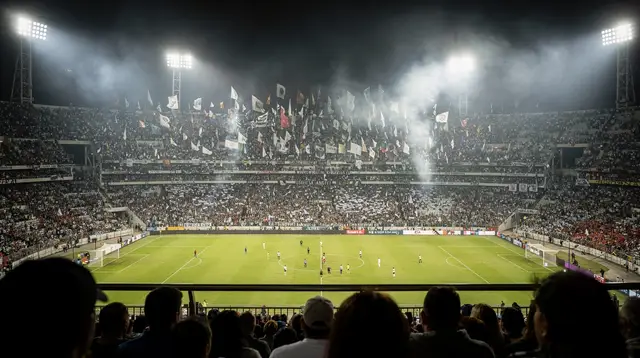
Travellers who want the stadium experience itself, rather than a walk past the outside of it, should look at an El Monumental stadium tour or the separate El Monumental museum tour, and match-goers can compare options in the guide to River Plate tickets or the wider football stadium tours comparison covering both Buenos Aires giants. For context on the rivalry that dominates the city’s football conversation, see the Superclásico guide and, for practicalities, watching a football match in Buenos Aires.
Belgrano’s own club, Platense, plays in a different corner of the barrio’s identity — a lower-key, more local football culture than the Boca–River circuit, and worth a mention here precisely because it is the one football story that actually belongs to Belgrano rather than to its neighbour Núñez.
Food in Belgrano, Beyond the Barrio Chino
Belgrano’s food scene outside the Chinatown blocks follows the same unshowy pattern as the rest of the barrio: good, ordinary places that locals actually use rather than destination restaurants built for visitors.
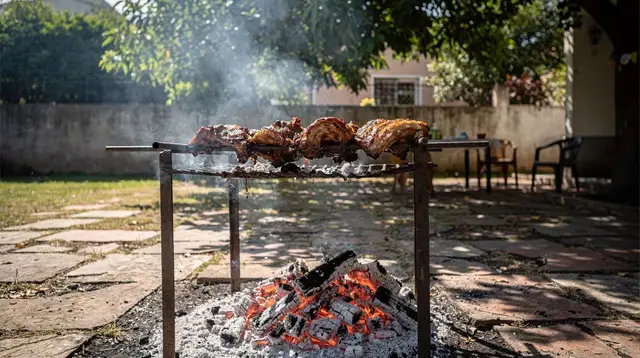
Parrillas here serve the same style of grilled beef found across the city — for background on how that tradition works and what to order, the general asado and parrillas guide applies as much in Belgrano as anywhere else, and travellers curious about the sweeter side of Argentine eating can start with dulce de leche and medialunas or the round-up of best empanadas in Buenos Aires, neither of which is barrio-specific but both of which apply here.
For the Barrio Chino food itself, a guided immersive food tour of Barrio Chino goes further than browsing alone, working through several small restaurants and shops with a guide who can explain what is actually good rather than leaving it to guesswork.
Getting There and Getting Around
The easiest approach from downtown is the Subte Line D, which runs the length of Avenida Cabildo and Avenida Santa Fe from the centre; the Juramento station puts you within a few minutes’ walk of the Barrio Chino gate, while Congreso de Tucumán is the northern end of the line, also close. The Mitre line suburban train from Retiro is the alternative, stopping at Belgrano C and Belgrano R stations, useful if a trip out to Tigre or San Isidro on the same line is also on the agenda, since all three sit on the same northbound route out of the city.
| From | Method | Approximate time |
|---|---|---|
| Microcentro / Plaza de Mayo | Subte Line D to Juramento | 25–30 minutes |
| Palermo (Soho/Hollywood) | Walk or short bus along Av. del Libertador | 30–45 minutes on foot |
| Retiro | Mitre line train to Belgrano C | 15–20 minutes |
| Recoleta | Bus or taxi | 20–25 minutes |
A SUBE card is required for both the Subte and the suburban trains, exactly as elsewhere in the city — see the general SUBE card guide if you have not picked one up yet, or the broader Subte guide to Buenos Aires for how the network fits together. Within Belgrano itself, everything described here is walkable; there is no need for taxis between the Barrio Chino, Barrancas de Belgrano and the church, though for the trip in from further afield the taxis, remises and rideshare guide covers the alternative to the train for travellers not near a Subte line.
Fitting Belgrano Into a Longer Trip
Because Belgrano sits on the same northbound Mitre line as Tigre and San Isidro, it combines naturally with a day built around that corridor rather than standing alone. A three-day framework such as three days: Tigre, San Isidro and Belgrano is built around exactly this logic, using the same train line for all three stops instead of criss-crossing the city.
Travellers assembling a full one-week Buenos Aires itinerary or working out how many days to spend in Buenos Aires more generally should treat Belgrano as one of the first things to add once the essentials are covered, not before. For same-day comparisons, the broader day trips from Buenos Aires round-up situates Belgrano’s half-day alongside farther options like San Antonio de Areco or Colonia del Sacramento, which need a full day rather than a few hours.
Travellers deciding where to base themselves for a stay that includes a Belgrano detour can check the neighbourhood-by-neighbourhood guide to where to stay in Buenos Aires and the direct comparison of Palermo vs. Recoleta vs. San Telmo — Belgrano itself rarely makes sense as a base for a short stay, given the extra travel time to the city’s other essentials, but it is an easy add-on from a Palermo base in particular.
An Honest Half-Day Plan
Arrive by late morning, start at the Barrio Chino gate on Calle Arribeños, and spend forty-five minutes to an hour browsing the grocery stores and deciding where to eat — Cantonese dim sum and Taiwanese noodle shops are the strongest options and both are reasonably priced by Buenos Aires standards. Lunch there rather than saving Belgrano’s food for a rushed evening; the restaurants are at their best at midday service.
After lunch, walk the fifteen minutes south to Barrancas de Belgrano and the Redonda church, and if it is a weekend, browse the small fair. From there, either head back into the city via the Subte, or, if time allows, continue toward Núñez for a look at El Monumental from outside, or double back into Palermo along the Libertador corridor for the afternoon. This whole loop comfortably fits into three to four hours, which is roughly the right dose for what Belgrano offers a visitor — enough to see something genuinely different from the rest of the city’s tourist circuit, not so much that it eats into time better spent in Palermo, Recoleta or San Telmo.
Guided Options, If You Prefer a Local Read
Belgrano and its Barrio Chino are easy enough to navigate independently with a map, but a guide adds context that is easy to miss walking alone — which shops are long-standing versus recent, what the temple’s decorations mean, why particular streets developed the way they did. A sightseeing tour covering the Barrio Chino alongside Belgrano’s British-influenced streets is built for exactly this combination, pairing the Chinatown blocks with the Anglo-Argentine residential architecture nearby that a first pass on foot easily overlooks.
For a broader introduction to the barrio beyond the Chinatown pocket, a walking tour aimed at Belgrano’s quieter, more local corners fills in the residential streets, the park and the church with a guide’s narration rather than a guidebook’s summary.
If football is part of the trip and Belgrano’s proximity to Núñez is the draw, a locally guided outing to a match at Platense, Belgrano’s own club, is a lower-key alternative to the Boca–River rivalry circuit, and a genuine way to see the barrio’s football culture rather than the stadium-tour version aimed squarely at tourists.
Travellers assembling a longer, multi-day framework that leaves room for a slower afternoon like this one might also look at a four-day itinerary covering the city in more depth, which is the kind of trip length where a Belgrano detour makes sense rather than competing directly with the essentials.
Setting Expectations Honestly
It is worth repeating the point this guide opened with, because Belgrano gets oversold in some corners of the internet as a “hidden gem” on par with the city’s major barrios. It is not. Palermo has far more restaurants, bars, parks and shopping; Recoleta has the cemetery and the museums; San Telmo has the Sunday fair and the tango history.
Belgrano’s case rests almost entirely on the Barrio Chino, which is real and worth an hour or two, plus a pleasant but unremarkable residential stretch around it. Visitors with two or three days in Buenos Aires should spend them elsewhere. Visitors with five days or more, or anyone who has already covered the essentials and wants a different flavour of the city — food shopping over sightseeing, quiet streets over crowded ones — will find Belgrano a good use of half a day, no more, no less.
FAQ: Visiting Belgrano and the Barrio Chino
Is Belgrano worth visiting beyond a quick walking tour?
Belgrano rewards a half-day if you like Buenos Aires’ quieter, more residential side, and its small Barrio Chino is genuinely distinct from anywhere else in the city. It is not a must-see on a first, short trip — Palermo and Recoleta come first for most visitors.
What exactly is the Barrio Chino in Belgrano?
It is a few blocks around Calle Arribeños, north of Belgrano’s main square, lined with Chinese and Taiwanese grocery stores, restaurants, a small Buddhist temple and a decorative paifang gate. It grew from Taiwanese immigration from the 1980s onward and is one of the smallest Chinatowns of any major Latin American capital.
How do I get to Belgrano and the Barrio Chino from the centre?
The Subte Line D runs from the Microcentro to the Juramento or Congreso de Tucumán stations, both a short walk from the Barrio Chino; the Mitre line suburban train from Retiro also stops at Belgrano C station. Either way is under 30 minutes from downtown.
Is Belgrano safe to walk around?
Yes, broadly — Belgrano is a middle-class residential barrio with normal city-level caution needed, not a district with a particular reputation for trouble. The Barrio Chino streets are busy and well lit during shopping hours.
When is the best time to visit the Barrio Chino?
Saturday and Sunday daytime, when the restaurants and stalls are fullest and a small weekend street market sets up; many shops close or run reduced hours midweek. Lunar New Year, in late January or February, is the liveliest single day, with a street parade and lion dancers, though it draws large crowds.
Is Belgrano near Palermo, and can I combine the two in one day?
They border each other along Avenida del Libertador, and a fit walker can go from central Palermo into Belgrano in under an hour, but the two barrios have different characters and a rushed combination shortchanges both. Treating Belgrano as a separate half-day, on a longer trip, works better than bolting it onto a Palermo day.
Are there football grounds or other sights in Belgrano?
Belgrano borders Núñez, home to River Plate’s El Monumental stadium, and the barrio itself has a large park (Barrancas de Belgrano), a planetarium-adjacent botanical garden feel around Plaza Belgrano, and the neo-Gothic Iglesia de la Inmaculada Concepción, but none of these are headline attractions on the scale of the city centre.
Does Belgrano have its own market or fair?
There is a modest crafts and antiques fair on weekends around Plaza Belgrano and Barrancas de Belgrano, smaller and far less known than San Telmo’s Sunday feria or the Mataderos fair, which suits visitors who want a quieter version of the same idea.
Buenos Aires by Neighborhood
Verified deep-linked GetYourGuide tours. Book through these links and we earn a small commission at no cost to you.
GetYourGuide does not provide a product photo for this activity — the image shows the meeting point, photographed by us.