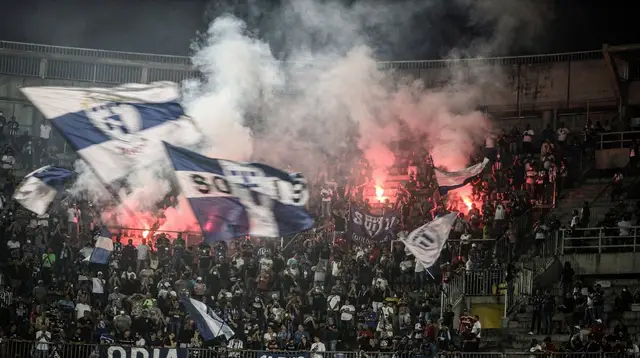
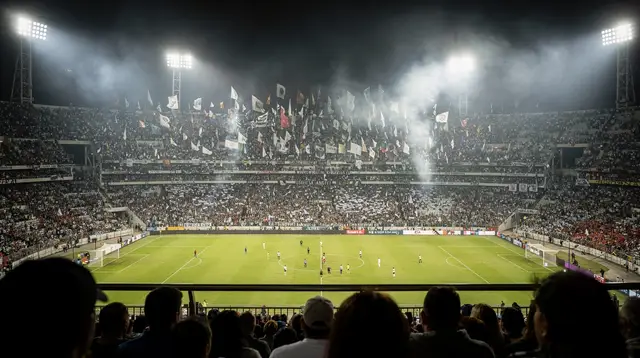
El Monumental Stadium Tour: Visiting River Plate's Ground
Can you visit El Monumental without a match ticket?
Yes, on non-match days the stadium runs paid guided tours that include the museum, the pitch-side area and the changing rooms. Entry is not free and not walk-in guaranteed in high season, so book a tour or a museum ticket ahead rather than turning up unannounced.
The biggest ground in Argentina, without a ticket
El Monumental sits in Núñez, in the northern reaches of Buenos Aires, a short ride from Belgrano and a longer one from the Microcentro. It is home to River Plate, one half of the Superclásico rivalry with Boca Juniors, and it is Argentina’s largest stadium by a comfortable margin. For visitors who cannot get to a match, or who simply want to see the ground without the crowds, a stadium tour is the honest way in — and it is worth doing on its own terms, not as a consolation prize.
This page covers the non-match visit: what the tour actually shows, how the museum works, what the 1978 World Cup connection means for the building you are walking through, and how that compares with match-day access, which works very differently.
Capacity and why it matters
El Monumental holds roughly 83,000 spectators, which makes it not just River Plate’s home but the default venue for the Argentina national team’s biggest fixtures — World Cup qualifiers, high-profile friendlies, finals. That scale is the first thing that strikes most visitors on a tour: the bowl is steep, the roof line is long, and the pitch looks smaller than it is because everything around it is built at a bigger scale than a typical club ground.
It sits well above La Bombonera, Boca Juniors’ famously tight, vertical ground in La Boca, which holds under half as many people. The two stadiums make a natural pair for a comparison of Argentina’s two great football grounds, and they are close enough in spirit that many operators sell combined River Plate and Boca Juniors stadium visits on the same day.
1978: the World Cup final ground
El Monumental was the principal venue of the 1978 FIFA World Cup, hosted in Argentina, and it staged the final, in which the host nation beat the Netherlands to win its first world title. That result is still woven into the stadium’s identity — plaques, imagery and the museum’s narrative all return to it — and it is a large part of why the ground carries more historical weight than a purely domestic stadium would. A guided tour typically threads this history through the physical spaces: the tunnel players still walk through, the areas overlooking the pitch, and the museum galleries that hold trophies and shirts from both the club’s history and that tournament.
River Plate: the club behind the stadium
River Plate is one of Argentina’s two most decorated clubs, and El Monumental is inseparable from that history — the ground and the team are effectively the same story told from two angles. The club’s colours are the diagonal red sash on a white shirt, a look immediately recognisable across Buenos Aires, and its rivalry with Boca Juniors, the Superclásico, is one of world football’s most intense derbies, fought as much across the city’s neighbourhoods as on the pitch.
River is based in Núñez, a comparatively affluent, leafy part of the city, which is part of why the rivalry with working-class La Boca carries such a sharp class dimension as well as a footballing one. Understanding that context — even briefly, via the museum’s trophy cabinets and shirt displays — makes the stadium tour read less like a generic sports visit and more like a way into how Buenos Aires itself is organised, barrio against barrio.
What a stadium tour actually includes
Access to El Monumental outside match days is organised and paid, not casual walk-in territory, and it is worth being precise about what a ticket buys. Programmes vary by operator, but a typical guided visit covers:
- A route around the stadium perimeter, generally including a pitch-level or pitch-adjacent viewpoint
- The players’ tunnel, the area where teams enter the field
- Access to or a view of the changing rooms
- The club museum, with trophies, shirts and historical displays
- A guide’s commentary on the stadium’s history, including its 1978 role
Some tours combine the stadium walk and the museum into a single ticket; others sell the museum as a shorter, self-paced, standalone visit. The guided River Plate stadium and museum tour is built around exactly this combination and is the most direct way to see both in one visit. For a broader day that folds in Boca’s ground as well, the River Plate and Boca Juniors stadium tour covers both grounds without requiring two separate bookings.
If you would rather skip a guide and move at your own pace, the museum alone is bookable as a standalone product: the River Plate museum ticket and the River Plate museum admission ticket both work this way, and are the cheaper, shorter option when a full guided walk around the bowl is not what you are after. Visitors short on time, or arriving without a pre-booked slot in high season, sometimes prefer the skip-the-line River Plate museum ticket, which trims the wait rather than the content.
Not free, not always walk-in
It is worth being blunt here: El Monumental is not open for casual, unannounced entry. Opening days and hours are set by the club and change around fixtures, renovations and events, and access for non-members runs through ticketed tours rather than a free public entrance. In the highest season, popular time slots can sell out, so booking a tour or museum ticket in advance is the reliable approach rather than something to leave to the day itself. Anyone assuming they can simply turn up, as at an open city square or park, will likely be turned away or find the museum closed for a private event.
Tour vs museum vs match
These are three different products, and mixing them up is the most common planning mistake around El Monumental:
| Visit type | What it gives you | Booking |
|---|---|---|
| Guided stadium tour | Pitch area, tunnel, changing rooms, guide commentary | Ticketed, advance booking recommended |
| Museum only | Trophies, shirts, self-paced history displays | Ticketed, often shorter and cheaper |
| Match day | The atmosphere, the crowd, an actual River Plate game | Membership-linked; visitors go through licensed hospitality packages |
A tour and a museum visit are both realistic for any traveller. A match is a different proposition entirely: see the section below before assuming you can simply buy a ticket at the gate.
Match tickets: a separate, harder path
Home-supporter tickets for River Plate matches are generally tied to club membership (socio status), which is not something a short-stay visitor can arrange. In practice, tourists who want to see a match attend through licensed hospitality or match-day operator packages, bought from a recognised company rather than a street reseller — a “guaranteed ticket” offered informally outside the ground, at a price that looks too good, is a red flag rather than a bargain.
Away supporters have long been barred from most matches in the Argentine league, which further narrows the options for a casual visitor hoping to attend as a neutral. For the fuller picture on how this works in practice, see the dedicated guide to River Plate match tickets and the wider guide to watching a football match in Buenos Aires, plus general football match safety guidance before committing to any package.
For visitors set on combining a stadium visit with match-day atmosphere in one organised outing, the Football Total Argentine stadium tour on match day is built specifically around that pairing, handling the logistics that make match-day access difficult to arrange independently.
Others sell an official match ticket directly rather than a bundled experience — the River Plate official ticket for a game at the Monumental and the River Plate Monumental match experience for small groups are both built around getting a visitor into a seat for an actual fixture, which is the part of the puzzle a standalone stadium tour does not solve.
For the full mechanics of how this works — what “licensed hospitality” actually means, how far ahead to book, and what to avoid — the Superclásico guide and the dedicated page on buying Boca Juniors vs River Plate tickets go further than this page can.
Getting there
El Monumental sits in Núñez, north of the city centre and beyond Belgrano. Options include:
- Bus (colectivo): several routes run along the northern corridor toward Núñez; a SUBE card is required, as everywhere on city transport — see the SUBE card guide if you have not already set one up.
- Taxi or ride-hailing app: the simplest option from most central neighbourhoods, and the one most visitors use for a tour visit.
- Mitre line train: useful if you are already near a station on that line, though the stadium itself is a further short ride or walk from the nearest stop.
Allow extra margin on match days, when streets close early and crowds build well ahead of kick-off — but for a standalone tour visit on a non-match day, traffic is the only real variable.
Visitors building a football-themed stay around both of the city’s grounds sometimes follow a structured plan rather than improvising day by day — the two-day tango and football weekend itinerary is built around exactly that combination, pairing a stadium visit with the city’s other signature evening entertainment.
Pairing the visit with the rest of Núñez and Belgrano
A stadium tour at El Monumental rarely fills a whole day on its own; most visits run one to two hours depending on how the tour and museum are packaged. It pairs naturally with a wider look at Belgrano, a residential, leafier barrio than the postcard centre, or with a walking route that also touches Puerto Madero earlier in the day. Fans building a full football-themed itinerary often set this stadium against La Bombonera in La Boca on a separate day, since the two grounds — and the Caminito lane nearby — sit at opposite ends of the city and are best not rushed together.
Culturally minded visitors sometimes extend the day with the Maradona walking tour with stadium visit, which threads Diego Maradona’s Buenos Aires — murals, the Casa D10s museum and stadium context — into a single themed outing, useful background before or after seeing either of the city’s two great grounds. For a fuller sense of Núñez and Belgrano beyond the stadium walls, the Belgrano neighbourhood guide and the Belgrano walking tour cover the barrio’s tree-lined streets, its own basilica and its calmer, more residential pace than the postcard centre.
Eating and staying near the ground
Núñez and Belgrano are not the city’s tourist-restaurant core, but they are comfortable, residential areas with a genuine local dining scene rather than a stadium-adjacent one built purely for visitors. Casual parrillas and cafés cluster along the main avenues back toward Belgrano, and a stop there works well either side of a tour, since El Monumental itself has little in the way of food beyond basic concessions on event days.
Travellers who want a proper Argentine steak as part of the same outing are better served waiting until they are back among Palermo’s best parrillas or those in San Telmo, both a manageable ride from Núñez, rather than expecting a destination restaurant scene immediately around the stadium. Accommodation follows the same logic: most visitors base themselves in Palermo, Recoleta or the Microcentro and treat El Monumental as a half-day outing rather than a neighbourhood to stay in, since Núñez itself is light on hotels compared with the more central barrios.
Practical notes before you book
- Book ahead, especially in high season. Tours and museum slots can sell out, and the stadium closes to visitors around matches and private events.
- Check what is included. “Tour” and “museum” are sometimes bundled and sometimes separate; read the description rather than assuming.
- Bring photo ID. Stadium security at River Plate, as at most Argentine grounds, generally expects a passport or photo ID for entry, tour or match.
- Dress for a lot of walking and stairs. The bowl is large, and tours cover real distances between the tunnel, changing rooms and museum.
- Combine with Boca’s ground if you want the full contrast. Seeing both La Bombonera and El Monumental in the same trip is the clearest way to understand why Argentine football fans talk about the two so differently — see the combined River Plate and Boca Juniors tour for a single-booking option.
El Monumental stadium tour: frequently asked questions
Is El Monumental open to the public every day?
The stadium and museum keep set opening days and hours, with closures around match days and events. Check the current calendar and book before visiting, since access is not unrestricted.
How big is El Monumental compared with other Argentine stadiums?
El Monumental is Argentina’s largest stadium by capacity, holding roughly 83,000 spectators, well above La Bombonera’s capacity in La Boca. It is also the national team’s usual home ground for major matches.
Did El Monumental host the 1978 World Cup final?
Yes. El Monumental was the principal venue of the 1978 FIFA World Cup and hosted the final, in which Argentina beat the Netherlands, a result still central to the stadium’s identity.
Can I buy a match ticket directly for a River Plate game?
Home-supporter tickets are generally tied to club membership rather than sold freely to visitors. Tourists normally attend through licensed hospitality or match-day packages bought from a recognised operator, never from a street reseller.
How do I get to El Monumental from central Buenos Aires?
The stadium sits in Núñez, in the north of the city, reachable by bus, taxi, ride-hailing app or the Mitre line train to the Núñez area. Allow extra time on and around match days, when streets close and crowds build early.
Is a stadium tour the same as a museum visit?
They are usually combined but can be sold separately. A tour covers areas such as the pitch perimeter, the players’ tunnel and the changing rooms, while the museum is a self-paced walk through trophies and club history; check exactly what a given ticket includes.
Is El Monumental only used for River Plate matches?
No. It regularly hosts the Argentina national team for major internationals, alongside River Plate’s own domestic and continental fixtures, which is part of why its capacity and history stand apart from a typical club ground.
Football Matches and Stadium Tours
Verified deep-linked GetYourGuide tours. Book through these links and we earn a small commission at no cost to you.
GetYourGuide does not provide a product photo for this activity — the image shows the meeting point, photographed by us.