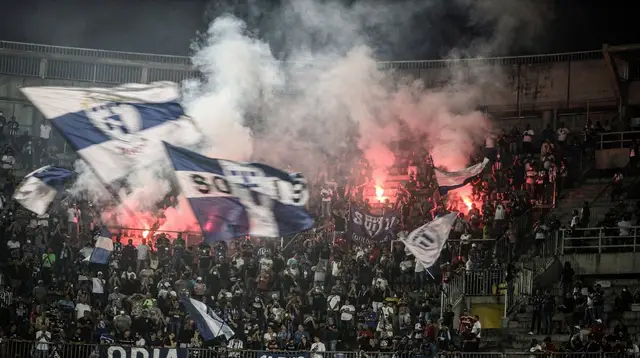
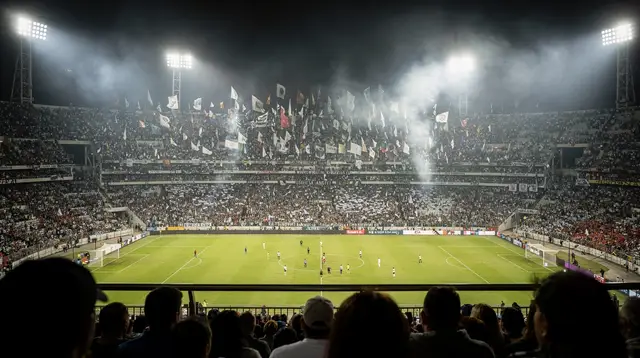
Watching a Football Match in Buenos Aires
Can I just buy a ticket at the stadium on match day in Buenos Aires?
No. Home-supporter tickets for Boca Juniors and River Plate generally require club membership (socio status), so visitors normally go through a licensed hospitality package booked in advance rather than a turnstile sale. Treat any street seller offering a same-day ticket as a red flag, not a shortcut.
The first time someone told me I could not just walk up and buy a ticket for a Boca Juniors match, I did not quite believe it. I had done that for club football in a handful of other cities. In Buenos Aires it does not work that way, and understanding why changed how I planned the whole thing.
Why you cannot just show up
Both Boca Juniors and River Plate sell the overwhelming majority of home tickets to club members, known as socios. Membership is a long-standing local institution, not a tourist product, and general public sales are limited, unpredictable, and usually gone long before kickoff. There is no walk-up ticket office selling to whoever is standing outside La Bombonera on a Saturday afternoon. I mention this bluntly because it is the single most common misconception I hear from visitors planning a trip: that a match ticket is something you sort out once you land, the way you might sort out a restaurant booking. It is not.
How visitors actually go
The realistic route for a foreign visitor is a licensed hospitality package: an operator with an established relationship to the clubs sells a bundle that includes the ticket, often transport, sometimes a guide who explains the songs and the rituals as they happen. I went this way, through a football-focused day tour, and it solved two problems at once: the ticket itself, and the fact that neither ground is trivial to reach or navigate alone on a match day with no Spanish. If you want to compare that route against simply touring the grounds without a match, our guide to stadium tours lays out the difference clearly.
What I will not do is point you toward informal resale. Tickets bought from a seller outside the gate cannot be verified until you are actually trying to get through the turnstile, and because away supporters have long been barred from most fixtures in the Argentine league, some of what circulates informally has no path into the ground for a visitor at all. A guided package with a named operator carries none of that uncertainty. Our football match safety guide and match ticket pages go into this in more detail.
The two grounds, and what makes them different
La Bombonera, home to Boca Juniors, sits in the middle of the residential streets of La Boca, a few minutes’ walk from the painted houses of Caminito. It is famously steep and close to the pitch, and the noise inside on a full night is unlike anything I had experienced at a football ground before. El Monumental, home to River Plate and also the national team’s usual venue, is out in Núñez, the country’s largest stadium, wider and more open in feel.
Neither is objectively “better” — they are different experiences of the same obsession, and either one makes a strong first match if you have never seen Argentine football live. If you cannot make it to a fixture at all, both clubs run museum and stadium tours separately from match days, which is a good fallback and a good primer either way — see our notes on the La Bombonera tour and the El Monumental tour.
What a superclásico actually is
A superclásico is Boca versus River, and it sits on a different scale from an ordinary weekend fixture. I had been warned about this and still underestimated it: the city’s mood shifts days ahead, demand for any route to a ticket spikes hard, and prices through legitimate hospitality operators move up accordingly. If a superclásico happens to line up with your dates, our dedicated superclásico guide is worth reading before you commit to anything, because the planning margin for error shrinks considerably.
One thing I am deliberately not going to give you here is a number. I am not going to quote what a ticket costs, or what the fixture list looks like for the months around your trip, because both change constantly — new season, new opponent, new demand, new operator pricing. Anything I wrote today would be wrong by the time you read it. Check a licensed operator or the club directly for what is actually on sale for your dates.
Match-day sense, briefly
Match days bring real crowds, closed streets around the ground, and heavier security checks than an ordinary visit — none of it is unusual for a big European or South American derby, but it is worth knowing before you go rather than discovering it at the gate. I would not wander La Boca’s back streets alone after a night match; I stayed with the group my operator had arranged and walked out with everyone else. That single choice did more for my evening than anything else I planned. For the fuller picture on staying comfortable around match days generally, our safety guide is the place to start, and it links onward to broader city safety notes as well.
If you only have one evening for this
Book a licensed football package ahead of your trip rather than hoping to improvise once you land — that is the one piece of advice from all of this that I would repeat to anyone. Decide, if you can, whether you would rather see La Bombonera’s tight, vertical intensity or El Monumental’s scale, though honestly either will give you a night you will talk about for years. And if the fixtures do not cooperate with your dates, the stadium tours at both clubs are a genuinely good substitute, not just a consolation prize.
Frequently asked questions about watching football in Buenos Aires
Can I buy a ticket at La Bombonera or El Monumental on the day?
Not reliably. Argentine clubs sell most home tickets to members first, and general public allocations are limited and often gone well before match day. Visitors book through a recognised operator ahead of time.
Is it safe to buy from a reseller outside the stadium?
I would not. Informal resale exists, but there is no way to verify a ticket until you are at the gate, and away fans have long been barred from most matches entirely, which makes some resold tickets simply worthless to a visitor.
What is a superclásico?
It is the Boca Juniors versus River Plate fixture, one of the fiercest rivalries in world football. Demand, noise and prices all move onto a different scale from a normal league weekend.
Should I go to La Bombonera or El Monumental if I can only pick one?
Both are worth it for different reasons: La Bombonera is famously compact and vertical, El Monumental is the country’s biggest stadium. Either works well as a first match; a guided package usually decides this for you by fixture availability.
Are match tickets or dates listed on this site?
No. Fixture calendars and prices change every season and by opponent, so this page deliberately does not quote either — check a licensed operator or the club for current information.
What should I know about safety on match day?
Match days bring bigger crowds, tighter security checks and more congestion around the grounds than an ordinary day. See our safety guide for specifics before you go.
Do stadium tours require a ticket to a match?
No, tours and museums at both clubs run separately from match days and are bookable any time, which is the easiest way to see either ground if you cannot get to a fixture.
If a match is on your dates and you would rather not navigate membership rules and resale risk yourself, a guided outing such as the Buenos Aires football match tour to Lanús or the Platense match day tour with a local host bundles the ticket, the transport and someone who can explain what is happening around you. And if football is only part of a longer stay, a broader trip like the 4-day Discovering Buenos Aires tour can slot a stadium visit or match into a wider first look at the city.
Football Matches and Stadium Tours
Verified deep-linked GetYourGuide tours. Book through these links and we earn a small commission at no cost to you.
GetYourGuide does not provide a product photo for this activity — the image shows the meeting point, photographed by us.