Boca Juniors Match Tickets: How to Actually Watch a Game at La Bombonera
Can I just buy a ticket to a Boca Juniors match at the gate?
No. Home tickets are tied to club membership (socios), so foreign visitors normally go through licensed hospitality operators who bundle a seat, transfer and sometimes a guide. Budget well ahead, book from a recognised operator, and treat any street-sold 'guaranteed ticket' as a scam.
Why you can’t just walk up and buy a ticket
Boca Juniors is one of the most-supported clubs in world football, and La Bombonera, its stadium in La Boca, seats far fewer fans than demand would fill. To manage that gap, home-match tickets in Argentina are sold mainly through club membership (socios), not an open box office. A visitor turning up at the gate without a membership and without a pre-arranged seat is very unlikely to get in. This is not a technicality that a clever workaround solves on the day — it is the structure of how Argentine club football sells tickets, and it is worth planning around rather than against.
The practical consequence for a foreign visitor: book a matchday package from a licensed operator before you arrive, the same way you’d book a table at a restaurant that only takes reservations. Waiting to “sort it out in Buenos Aires” tends to mean either paying a large premium at the last minute or missing the fixture entirely.
How visitors actually get in
Licensed hospitality operators hold allocations that sit outside the standard membership sale. A typical Boca Juniors matchday experience bundles a confirmed seat with a meeting point, often an English-speaking guide, and sometimes transport to and from the stadium — useful given how packed the streets around La Bombonera get on match day. This is the route almost every foreign visitor uses, and it is worth treating as the default rather than a fallback.
A few things worth knowing before booking:
- Seats, not terraces. Visitor packages generally place you in seated sections with a clear view of the crowd and the pitch. The standing terraces — the popular sections where the loudest chanting happens — are largely the domain of season-ticket members, and access for outsiders is limited.
- Prices vary a lot by fixture. A midweek league match against a mid-table side costs a fraction of a high-profile derby. Expect the operator’s price to include a service margin on top of the notional ticket value — that is the cost of the guaranteed, legitimate route.
- Away fans aren’t part of this picture. After years of crowd-safety incidents, away supporters have long been barred from most Argentine league matches. This guide is about watching Boca play at home as a neutral visitor, not following a visiting club.
Comparing the different package types
Not every visitor matchday package is built the same way, and it’s worth knowing what you’re actually choosing between before you book:
- Straight matchday ticket. Just the seat and, usually, a meeting point — the leanest option, aimed at visitors who already know their way around the city and just need a legitimate way in. The Buenos Aires soccer match experience with tickets is this kind of package.
- Ticket with extras. Some operators add a drink, light hospitality or a short briefing before kickoff, which suits a first-time visitor who wants a bit more hand-holding. The Argentinian football match ticket with drink and guide is an example of this style.
- Match plus museum. A handful of packages pair the live game with a museum visit on a separate day, useful if you want both the atmosphere of a fixture and the unhurried, pitch-side look you only get on a non-match day.
None of these substitute for each other — a museum ticket won’t get you into a live match, and a matchday ticket won’t get you the pitch-side access of the empty-stadium tour. Match the package to what you actually want to see, and read the operator’s inclusions line by line before paying, since “guide” can mean anything from a full escort to a WhatsApp contact for questions.
Street touts and “guaranteed tickets”: treat them as a scam
Around any major stadium, informal sellers appear on match day offering tickets at a price that sounds almost reasonable. Near La Bombonera this is a real risk, not a rare exception. Reported problems include tickets that don’t scan at the turnstile, wildly inflated last-minute prices, and straightforward counterfeits. There is no reliable way to verify a street-sold ticket before you’ve already paid for it and been turned away at the gate.
The safer pattern is simple: book from a named, recognised operator with a confirmed voucher and a clear meeting point, well before match day. If a deal looks too easy for how tightly Argentine ticketing actually works, it almost certainly is.
Stadium tour vs. matchday ticket — don’t confuse them
These are two different products, sold through different channels, at different prices:
| Stadium tour | Matchday ticket | |
|---|---|---|
| When | Any non-match day, fixed hours | Only on days Boca play at home |
| What you see | Empty stadium, pitch-side access, museum | An actual live match, from a seat |
| How it’s sold | Standard ticketed entry, book any time | Through a licensed operator’s allocation |
| Typical duration | 1–1.5 hours | A half-day around kickoff |
If it’s a museum walkthrough and a look at the pitch you’re after rather than a live game, that’s the separate La Bombonera museum tour or the Boca Juniors museum and stadium entry ticket, both bookable any day of the week regardless of the fixture list.
Getting to and from the stadium
La Boca isn’t on the Subte network, so most visitors get to La Bombonera by taxi, remise or the transport included in their matchday package — see the taxis, remises and rideshare guide if you’re arranging your own. If your package doesn’t include transport, agree on a pickup point and a return plan before kickoff, since the streets around the ground fill with fans on foot and vehicle access tightens well before the match starts.
Travellers connecting from elsewhere in the city by public transport can check the Subte guide and the SUBE card guide for the wider network, though the last stretch into La Boca itself is still usually a taxi or a guided transfer rather than a train or bus.
Build in more time than you think you need. Bag checks and security lanes at the gates move slowly on big match days, and a package that includes transport is partly paying for someone else to handle exactly this logistics problem, which is one more reason it’s the default choice for visitors rather than a self-drive or self-transit alternative.
What a matchday actually feels like
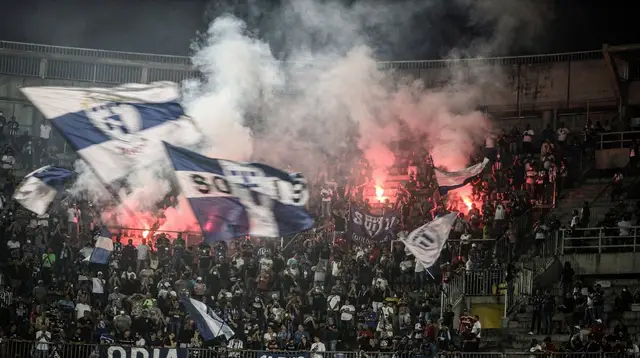
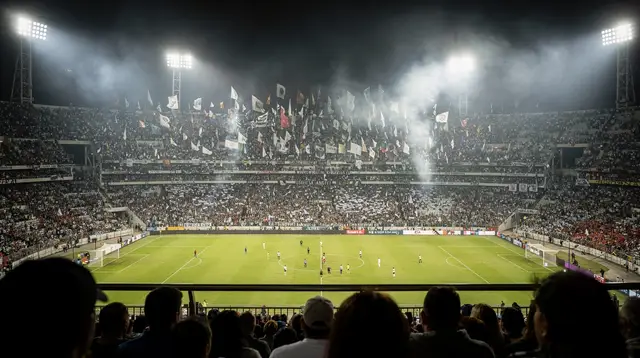
La Bombonera is famously steep and close to the pitch — the stands rise almost vertically, and the noise is a genuine part of the experience, not marketing copy. Kickoff times for Argentine league football vary by round and by broadcaster, so confirm the exact time with your operator rather than assuming a fixed slot; afternoon and evening kickoffs are both common.
Streets around the ground in La Boca fill early with vendors, fans and heavy foot traffic, and parking is not something to plan around independently — most visitor packages include transport precisely because navigating it alone is impractical. Arrive at the meeting point with time to spare; security checks at the gates take longer on big match days, and latecomers can lose their seat allocation.
Dress neutrally. Wearing River Plate colours, or any rival club’s shirt, near La Bombonera on match day is a bad idea regardless of how you feel about football rivalries — this is a safety recommendation, not a style note. Follow your operator’s guidance on bags, flags and anything else restricted at the gate.
If it’s the Superclásico
A Boca–River fixture, the Superclásico, is a different order of demand. Visitor allocations for this specific match sell out faster than for a routine league game, prices run noticeably higher, and security around the stadium is heavier on both sides of the city. If you know your travel dates overlap with a possible Superclásico date, book the moment the fixture is confirmed rather than waiting — see the dedicated Superclásico guide for what makes this match different from an ordinary league day.
River Plate, for comparison
Everything above applies in mirror image to Boca’s great rival: home tickets at El Monumental in Núñez also run through club membership, and visitors book matchday access the same way, through a licensed operator rather than a gate sale. If your trip timing points toward River rather than Boca, the El Monumental museum tour covers the non-match-day visit, and the River Plate match tickets guide covers the equivalent matchday booking process.
Seeing both clubs on one trip
Some visitors want both grounds without committing to two separate matchdays, especially if their dates only line up with one live fixture.
A guided Boca Juniors and River Plate museums tour covers both stadiums and their trophy rooms in a single non-match-day outing, and operators also run a Boca Juniors and River Plate football tour or a Boca Juniors and River Plate stadium and museum tour that pair the two rivals’ grounds back to back, sometimes with lunch included on the Boca Juniors and River Plate tour with lunch.
These are museum-and-stadium products, not two live matches in one day — Argentine fixture scheduling and the sheer distance between La Boca and Núñez make that impractical — but they’re a sensible way to understand both sides of the city’s biggest rivalry when only one of them is actually playing during your stay. For the context behind why this rivalry matters so much, the Superclásico guide covers the history and the atmosphere on the day the two clubs do meet.
Combining the match with the rest of La Boca
Most visitors pair a Boca match with a look at the neighbourhood itself. The Caminito lane and its painted houses sit a short walk from the stadium and are worth an hour or two in daylight — the surrounding streets beyond the tourist strip are residential and not somewhere to wander at random, a point covered in the La Boca neighbourhood guide.
Some operators fold a Caminito walk into the same matchday package, such as the La Bombonera stadium sightseeing tour with La Boca neighbourhood audio guide, which works well for a visitor who wants the ground, the museum and the barrio in a single outing on a non-match day.
For travellers who’d rather build the museum, the neighbourhood and a broader city introduction into one booking, the Boca Juniors Experience combining the museum, La Bombonera and Caminito is a way to see the club’s home ground without needing a fixture on the calendar at all — a sensible fallback if your trip dates simply don’t line up with a home match.
General safety around match day
Buenos Aires overall runs on opportunistic theft rather than organised danger — see the general football match safety guide for the fuller picture, but the short version for match day: keep phones and valuables out of sight in the crowds around the stadium, stay with your group or guide on the walk to and from the ground, and don’t accept “help” finding a better seat or a cheaper ticket from anyone who approaches you on the street. Licensed operators brief their groups on this as a matter of routine, which is one more reason booking through one is the sensible default rather than the cautious one.
Planning the rest of the day
A Boca match is typically an afternoon or evening commitment once transport and pre-match time are factored in, which leaves the rest of the day free. Many visitors combine it with a morning in nearby San Telmo or a slower lunch before heading to La Boca — see Buenos Aires in one day or the two-day tango and football weekend itinerary for how other visitors have sequenced it around a match.
If you’re building a longer trip around the fixture rather than a single day, the three-day first-time Buenos Aires itinerary and the one-week Buenos Aires complete itinerary both leave room to slot a match in without disrupting the rest of the sightseeing plan — useful since fixture dates are usually only confirmed a few weeks out, well after most people have already booked flights. A common pattern is to keep the match date flexible within a broader stay, then lock the operator booking as soon as the fixture list is published, rather than trying to build the whole trip around one specific date months in advance.
Match day itself is not the moment to also try to fit in a long list of other sightseeing — between the transfer, the pre-match time and the game, it fills most of an afternoon or evening on its own. Treat it as its own anchor point in the itinerary, with a lighter morning before it (a coffee in San Telmo, a wander through the antiques stalls, or simply resting after travel) rather than trying to combine it with a full day of separate activities elsewhere in the city.
If your dates don’t allow for a live game at all, the museum-and-stadium route remains the best substitute: the Boca Juniors museum and stadium entry ticket gives you the trophy room, the dressing rooms and a look at the pitch from the stands, available every day the club isn’t playing.
The bottom line
Watching Boca Juniors play at home is one of the more memorable things to do in Buenos Aires, but it isn’t a spontaneous, buy-at-the-gate outing the way a museum or a walking tour is. Home tickets sit inside a membership system that foreign visitors don’t have access to on their own, which is exactly why licensed matchday packages exist. Book early, book from a recognised operator, skip anyone selling on the street, and the actual experience — the noise, the incline of the stands, the closeness of the crowd to the pitch — lives up to its reputation.
Football Matches and Stadium Tours
Verified deep-linked GetYourGuide tours. Book through these links and we earn a small commission at no cost to you.
GetYourGuide does not provide a product photo for this activity — the image shows the meeting point, photographed by us.