El Monumental Museum Tour: Inside River Plate's Stadium
What is the El Monumental museum tour and how do I visit?
It is a self-guided or guided visit to River Plate's trophy museum and stadium at El Monumental in Núñez, which typically includes the changing rooms, pitch-side access and the tunnel. Tickets are sold directly for museum and non-matchday stadium visits; book ahead in peak season and check the calendar, since access closes around match days.
Why visit River Plate’s stadium museum
Buenos Aires has two great football institutions, and two great museums built around them: La Bombonera in La Boca belongs to Boca Juniors, and El Monumental in Núñez belongs to River Plate. This page is about the second one. It is written as a companion to the Boca side of the story, not a verdict on which club matters more — that question is a genuinely contested piece of Argentine culture, argued in every corner bar in the city, and this guide has no intention of settling it. What follows is practical: what the museum and stadium tour actually contain, how they work, and how to get there.
River Plate is one of Argentina’s two most decorated clubs, alongside Boca Juniors, and the rivalry between them — the superclásico — is one of the most intense in world football. Both clubs have won the Copa Libertadores, South America’s premier club competition, more than once; both have long, layered trophy cabinets; both have passionate, citywide fan bases that overlap with family, neighbourhood and class identity in ways that go well beyond sport.
A visitor asking “which one is bigger” is asking a question that has no neutral answer in Buenos Aires, so the honest approach — and the one this site takes on both the Boca and River pages — is to describe each club’s history and each stadium’s museum on its own terms, and let the rivalry speak for itself rather than adjudicating it.
Where El Monumental sits in the city
El Monumental is in Núñez, in the far north of Buenos Aires proper, close to the Río de la Plata waterfront and not far from Belgrano. It is a different part of town from La Boca’s dockside, working-class setting: Núñez is a quieter, more residential riverside district, and the stadium itself — formally the Estadio Monumental Antonio Vespucio Liberti — is also Argentina’s national team stadium, the ground where the senior side plays its biggest home fixtures and where the 1978 World Cup final was held. That dual identity, club ground and national stadium, is part of what the museum walks visitors through.
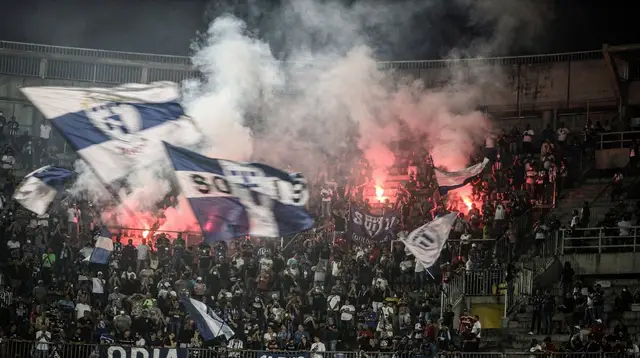
The stadium’s capacity is among the largest in South America, and its scale is one of the more striking things about visiting outside a match day: an empty stadium of that size, walked at pitch level or from the stands, gives a sense of what a full house feels like on a Sunday afternoon that photographs alone do not convey.
What the museum and stadium tour cover
The River Plate museum is built around the club’s trophies, shirts, photographs and video archive, tracing its history from its founding through its domestic championships to its continental and world titles, including its Copa Libertadores wins. Expect display cases of medals and cups, historic kits, and multimedia sections on the club’s most celebrated eras and players.
A stadium tour ticket, where it is running, typically adds:
- Access to the players’ tunnel, the passage between the changing rooms and the pitch that every player walks before kick-off.
- A visit to the changing rooms, home and sometimes away.
- Pitch-side access to stand at the edge of the playing surface and look up at the stands from field level.
- Views from the directors’ or press areas, depending on what is open that day.
Exactly which elements are included varies with what the club is running at the time — a temporary exhibition, a private event booked for part of the ground, or seasonal maintenance can all change the day’s route — so it is worth checking the current inclusions when booking rather than assuming every element above is always on offer.
Booking, hours and match-day closures
Museum and stadium-tour tickets are sold for specific time slots, and the sensible approach is to book ahead online, particularly in high season (the southern-hemisphere summer, December to February) and on weekends, when demand from both local and international visitors is highest. Walk-up tickets exist on quieter weekdays, but there is no guarantee of availability without checking first.
The one closure that catches visitors out is match days. On the day of a fixture, and often for a window of time before and after it, the museum and stadium-tour access is suspended while the ground is prepared, secured and then cleared. If a River Plate or Argentina national-team match is scheduled during your stay, check the fixture calendar before planning a museum visit for that date — a non-matchday date is the safe choice if the itinerary allows one.
| Element | Typical duration | Notes |
|---|---|---|
| Museum only | 45–60 minutes | Trophy cabinets, shirts, video archive |
| Museum + stadium tour | 60–90 minutes | Tunnel, changing rooms, pitch-side, subject to availability |
| Match-day access | Closed | Museum and tour suspended around fixtures |
Prices and exact hours shift over time and are best checked directly before a visit rather than assumed from an old figure; this page avoids quoting a fixed peso price for that reason, in line with how prices are treated across this site (see the note on Argentina’s inflation below).
Getting there
El Monumental sits away from the classic tourist core, so a little planning helps:
- Subte: Line D runs to its northern terminus, Congreso de Tucumán, from which the stadium is a walk of roughly 10–15 minutes.
- Colectivo: several bus routes serve Núñez directly; a SUBE card is required for the fare, as it is on every form of Buenos Aires public transport.
- Taxi or ride-hailing: the simplest option outside rush hour, and a reasonable choice if pairing the visit with another stop in the north of the city, such as Belgrano.
Because Núñez is some distance from Palermo, Recoleta or the Microcentro, most visitors treat the museum as a half-day outing on its own, or combine it with a wider look at Belgrano rather than squeezing it into a single downtown day.
River Plate and Boca Juniors: two histories, not a ranking
River Plate and Boca Juniors were both founded in the early twentieth century in what were then working-class dockside neighbourhoods of Buenos Aires, and their stories diverged from there: Boca stayed rooted in La Boca, while River eventually relocated north to Núñez, a move that itself became part of the folklore and mutual needling between the two fan bases. Both clubs have multiple Copa Libertadores titles, long lists of domestic championships, and have produced some of Argentina’s most celebrated players. Comparing trophy counts year by year produces a different “winner” depending on which year and which competition you pick, which is exactly why this guide does not attempt a final tally.
What is not in dispute is the intensity of the superclásico itself — regularly named among the fiercest derbies anywhere in world football — and the fact that visiting either stadium’s museum is one of the more distinctive things to do in Buenos Aires away from the standard sightseeing circuit. Visitors curious about the rivalry itself, rather than one club’s history, can read the dedicated superclásico guide, which sits deliberately apart from both club pages for the same reason this section stops short of a verdict.
Comparing El Monumental and La Bombonera as museum visits
Visitors deciding between the two, or planning to do both, are choosing between two different neighbourhoods and two different atmospheres as much as two different museums:
| El Monumental (River Plate) | La Bombonera (Boca Juniors) | |
|---|---|---|
| Neighbourhood | Núñez, quiet riverside district | La Boca, dockside, near Caminito |
| Getting there | Subte Line D + short walk, or taxi | Taxi or bus recommended; caution walking at night |
| Setting | Large, open national-stadium bowl | Compact, steeply raked, famously intense on match days |
| Pairing well with | Belgrano, a north-of-the-city half day | Caminito and the San Telmo walk |
A detailed side-by-side of what each tour includes, and how to decide between them if time only allows one, is covered in the football stadium tours comparison guide.
Match tickets: a separate, and stricter, matter
It bears repeating here as it does on the Boca side: the museum and stadium tour have nothing to do with buying a match ticket. Attending an actual River Plate fixture as a visitor is considerably harder than visiting the museum, because home-supporter tickets are generally tied to club membership (socio status) rather than sold openly at the gate or online to the general public. The practical route for visitors is a licensed hospitality package sold by a recognised operator — never a street tout, and never an offer that looks too cheap for a big fixture, which is one of the more common ways travellers get scammed around both clubs’ grounds.
Away supporters, for context, have long been barred from attending most Argentine league matches at either ground, which is part of why the atmosphere on match day is so overwhelmingly one-sided in the stands. The full detail on how ticketing actually works — and what “safe” looks like in practice — is in the River Plate match tickets guide and the wider football match safety guide.
If watching a match live is not possible on this trip, a stadium tour on a non-matchday is a reasonable substitute for experiencing the ground itself, and pairing it with a bar or restaurant screening a fixture is a lower-stakes way to feel the city’s football culture without navigating membership rules.
For visitors who want a broader museum day in the city rather than a football-specific one, a general museums pass covers ground well beyond Núñez.
a private guided tour taking in several of the city’s art and history museums in one day a one-day car tour of Buenos Aires that bundles several museum tickets together a private visit to the Museo Nacional de Bellas Artes and the participatory science museumFor a different angle on local football culture that does not involve either of the two giants, a smaller-club matchday experience gives a calmer introduction to Argentine football without the membership hurdles of River or Boca.
a guided outing to see a local Buenos Aires club play as a home supporter wouldPlanning the rest of the day around Núñez
Because a River Plate museum visit sits apart from the main tourist core, it works best folded into a wider look at the city’s north. Options for the same outing include a walk through Belgrano, a browse of the El Ateneo Grand Splendid bookshop on the way back toward the centre, or — for visitors who prefer a self-guided literary and architectural stop over a football one — treating the afternoon as a single cultural outing rather than trying to combine it with Palermo or Recoleta on the same day, given the distances involved.
a combined tour taking in El Ateneo bookshop, the Floralis Genérica sculpture and a fine-arts museumPractical notes before you go
- Prices: this page deliberately avoids quoting a fixed peso figure. Argentina’s currency, the peso, has moved through years of high inflation and changing rules for foreign cards and cash, so any number printed today is a snapshot rather than a durable fact. Check the current price directly and, if budgeting in euros or dollars, use a live exchange rate rather than an old one.
- Match-day timing: confirm the fixture list before travelling out to Núñez, since the museum and tour close around games.
- Combining with match tickets: if a match is part of the plan, sort hospitality access separately and well in advance — do not expect to add it on at the museum desk.
- Comfortable footwear: pitch-side and tunnel sections involve walking on hard surfaces and some stairs; there is little shade around the stadium exterior in summer.
For readers weighing this against the Boca Juniors side of the story, the twin page — the La Bombonera museum tour — covers the same ground for the other half of Buenos Aires’s most famous rivalry, and the superclásico guide is the place to read about the fixture itself, the chants, the history of clashes, and why neither fan base is likely to concede the argument any time soon.
Historic Sites and Landmarks
Verified deep-linked GetYourGuide tours. Book through these links and we earn a small commission at no cost to you.
GetYourGuide does not provide a product photo for this activity — the image shows the meeting point, photographed by us.