River Plate Match Tickets: A Practical Guide to El Monumental
Can tourists buy tickets to a River Plate match at El Monumental?
Not directly through the club box office, which is reserved for members (socios). Visitors go through licensed hospitality operators offering matchday packages that include a seat, transfer and often a guide. Buy only from a recognised operator, never a street reseller.
Getting into a match, not just the stadium
Watching River Plate play at El Monumental is one of the most memorable things a visiting football fan can do in Buenos Aires, but it works on a different system to buying a ticket for most European or North American clubs. There is no open web store where anyone can pick a seat for Saturday’s game. Access to River Plate matches runs largely through club membership (socios), and the club’s own general sale to non-members is restricted, unpredictable, or closed outright depending on the fixture, the opponent and the season.
This page is specifically about attending a live match. If what you actually want is a daytime visit to the pitch, the dressing rooms and the trophy rooms, that is a separate experience covered in our guide to the El Monumental museum and stadium tour — worth reading first if you are unsure which you want.
It is also worth saying plainly, before going any further, that El Monumental is not a bigger version of La Bombonera, and a guide written for one should not be recycled for the other. Boca’s ground in La Boca is compact, steep and famous for a wall of noise close to the pitch. El Monumental in Núñez is a large bowl that also serves as the national team’s home ground, with sections that range from intensely partisan to comparatively relaxed and family-oriented. Both are excellent match experiences. They are not interchangeable, and if you have already been to one and are wondering whether the other is “more of the same,” the honest answer is no.
Why you can’t just buy a ticket
River Plate, like Boca Juniors and most of Argentina’s major clubs, sells season access and matchday entry primarily to paying members (socios), a system that predates modern ticketing and remains central to how Argentine clubs are funded and run. Members get priority and often exclusive access to seats in their own section; what remains for general public sale varies fixture by fixture and can be very limited for high-demand games such as a Superclásico against Boca Juniors, covered in more detail in superclasico-guide. For an ordinary league fixture against a lower-profile opponent, general sale is more likely to open, but it is never guaranteed, and club websites and terms change without much notice.
For a visitor without a membership and without a River Plate-supporting local contact, the practical route is a licensed matchday hospitality package. These are sold by recognised tour operators, not by the club itself, and they bundle a seat — usually in a section set aside for visitors — with logistics that solve the harder problems: getting there, getting in, and getting out safely afterwards.
a small-group matchday experience at El Monumental for up to two people is built exactly around this gap, pairing a seat with a guide who handles the entry process. For a slightly more structured version with guided commentary through the match, a guided tour to River Plate matches at El Monumental adds English-language explanation of what is happening on the pitch and in the stands, useful if this is your first exposure to Argentine football culture.
At the top end, the River Plate matchday exclusive experience is aimed at visitors who want premium seating and a fuller hospitality package rather than the standard visitor-section arrangement.
What “unofficial” tickets actually mean
Walk toward El Monumental on matchday and you will be offered tickets by street sellers, sometimes at prices that look like a bargain compared with an operator package. This is worth treating with real caution. Argentine football has a documented problem with counterfeit and invalid tickets sold outside stadiums, and a visitor with no local network has no practical way to verify a ticket’s legitimacy before reaching the turnstile — by which point it is too late. If a ticket does not scan, you are not getting a refund from someone who has already disappeared into the crowd. The safe rule is simple: buy in advance, from a named and reviewable operator, and treat “guaranteed” cheap tickets from an unknown seller as something to walk past.
Away supporters and the current restrictions
For years, visiting-team supporters have been barred from most matches in the Argentine league, a rule introduced after crowd-safety incidents and still broadly in force. In practice this means that if you are hoping to sit with a visiting club’s fans at El Monumental, that section will very likely not be open to the general public, regardless of nationality. Local hospitality packages are built around neutral or home-side visitor sections precisely because of this restriction. If you have a specific fixture in mind, particularly a high-profile one, it is worth asking the operator directly whether away fans are permitted for that match before booking anything else around it, including flights or accommodation timed to the game.
Stadium tour vs. attending a match — know which you’re booking
These two products are easy to confuse when scanning listings, and they are genuinely different days out.
| Stadium & museum tour | Attending a live match | |
|---|---|---|
| When | Daytime, non-matchday | Fixture date and kick-off time, often evening |
| What you see | Pitch access, dressing rooms, trophy museum | The match itself, from a seat |
| Booking route | Direct ticket purchase | Membership or licensed hospitality package |
| Typical duration | 60–90 minutes | Half a day including transfer and security checks |
| Crowd | None or light | Full stadium on a big fixture |
If you want both, a guided tour of the River Plate stadium and museum is the daytime complement to a matchday package, and doing it on a separate day from the match itself gives you a proper look at areas you won’t see while the ground is full. A standalone River Plate museum admission ticket is the lightest option if you only want the trophy rooms without a guided walkthrough.
Matchday logistics: getting there and back
El Monumental sits in Núñez, on the northern edge of the city near the riverfront, further from the centre than La Bombonera and less walkable from most tourist accommodation. This is one of the clearest practical differences between the two clubs’ matchday experiences: a Boca visit from San Telmo can be done on foot or a short taxi ride, while a River Plate match usually means a proper transfer. Most hospitality packages include this transfer as part of the price, which removes a genuine headache — public transport on matchday is crowded, and getting a taxi or rideshare away from the stadium immediately after the final whistle, among tens of thousands of departing fans, is slow at best.
Arrive early. Security checks at Argentine stadiums are more thorough than many visitors expect, bag policies are strict, and it is common for visitor-section gates to close before kick-off rather than after. Ninety minutes before kick-off is a sensible minimum; two hours is not excessive for a major fixture. Wear neutral clothing — no rival-club colours, and nothing that marks you out as carrying valuables — and keep phones and cameras out of sight on the walk to and from the ground, consistent with the general advice in our guide to staying safe at an Argentine football match.
What the atmosphere is actually like
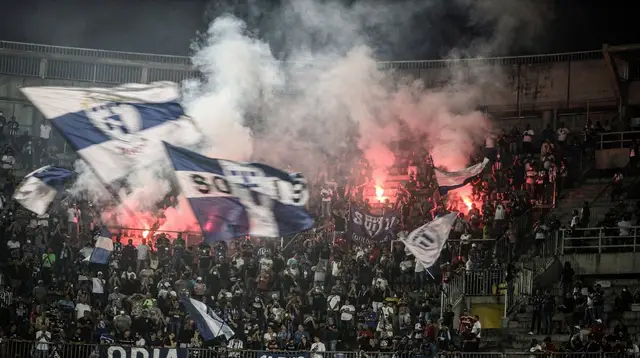
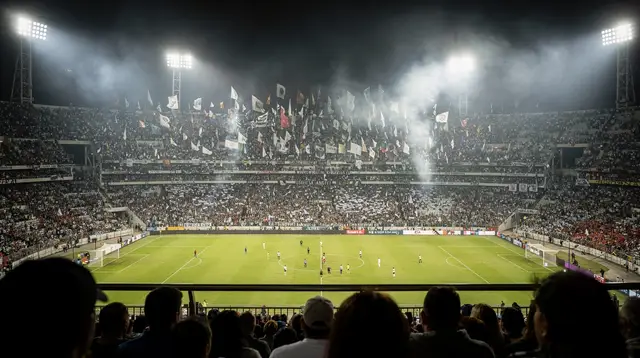
River Plate’s home support is famously loud, and the noise inside El Monumental on a big night — especially with the national anthem or against Boca Juniors — is genuinely one of the more intense atmospheres in world football. But the stadium’s scale changes the character of that noise compared with La Bombonera: sound in a large bowl behaves differently from sound in a tight vertical box, and River’s ground includes sections, particularly further from the pitch, that are noticeably calmer and more mixed in age and background than the tightly packed home ends.
A visitor-section seat through a hospitality operator will typically put you in one of the more moderate parts of the ground rather than the most intensely partisan terraces — which, for a first Argentine match, is usually the more comfortable and genuinely the safer choice.
Prices, timing and what affects cost
Prices for hospitality packages move with the fixture: a routine league match against a mid-table opponent costs less than a Superclásico or a high-stakes continental tie, and demand for the latter can push prices considerably higher with less availability the closer you book to kick-off.
As a general pattern, expect operator packages to sit above the notional face value a member would pay for the same seat, since the price also covers the transfer, guide and the guarantee of a valid, bookable ticket — that premium is the trade-off for not needing membership or a local contact. Book as early as you can once your Buenos Aires dates are fixed, particularly for weekend fixtures in the Argentine spring (September–November) or a marquee derby, when availability tightens fastest.
Combining it with the rest of your trip
A River Plate match works well slotted into a broader Buenos Aires itinerary rather than built as a standalone trip. If you are staying multiple days, see our two-day tango and football weekend for a pairing of a match with a tango evening, or our three days in Buenos Aires for a first visit for a broader first visit that leaves an evening free for a fixture.
Fans debating which club to see, or hoping to catch both grounds, should read our comparison of the Buenos Aires stadium tours and, for the special case of the derby itself, our guide to Superclásico tickets. If you are torn between River Plate and Boca Juniors tickets specifically, our guide to Boca Juniors match tickets covers the equivalent process at La Bombonera, and the two pages are worth reading side by side before booking either.
For travellers whose schedule doesn’t line up with a home fixture at all, a smaller professional match elsewhere in the city is still a genuine option: a guided local match experience with Platense gives a lower-key, easier-to-book alternative to a major derby, useful if River Plate’s calendar simply doesn’t fit your dates.
Practical checklist before you go
- Confirm the fixture date and kick-off time before booking transfers or dinner reservations — Argentine kick-off times are sometimes confirmed only a couple of weeks out.
- Book a licensed hospitality package rather than relying on club membership access or a street seller.
- Bring your passport or a copy; ID checks at the gate are routine.
- Arrive at least 90 minutes before kick-off.
- Wear neutral clothing, avoid rival colours, and keep valuables out of sight en route.
- Check with your operator whether away supporters are currently permitted, if that applies to your fixture.
- Treat the stadium tour and a live match as two separate visits, not one.
FAQ: River Plate match tickets at El Monumental
Can tourists buy tickets to a River Plate match directly?
Not through the club’s own box office in the normal way — that channel is built around paying members. Visitors book through licensed hospitality operators instead, which is the reliable route covered throughout this guide.
What’s the difference between the stadium tour and going to a match?
The stadium and museum tour is a daytime, non-matchday visit to pitch-side areas and the trophy museum. Attending a match is an evening or afternoon fixture-day experience from a seat, booked separately.
Is El Monumental the same experience as La Bombonera?
No. El Monumental is a larger bowl stadium with a more varied, sometimes calmer crowd in parts of the ground; La Bombonera is compact, steep and consistently loud throughout. Treat them as two distinct experiences.
How far in advance should I book?
As soon as your travel dates are fixed, especially for weekend fixtures or a derby. Availability for hospitality packages tightens quickly as a fixture approaches, and prices tend to rise with demand.
Are away fans allowed into El Monumental?
Generally no — a long-standing restriction bars visiting supporters from most Argentine league matches. Confirm with your operator for your specific fixture rather than assuming either way.
Is it safe to buy tickets from sellers outside the stadium?
No. Unofficial resale near the ground includes invalid and counterfeit tickets with no realistic recourse if they fail at the gate. Book in advance through a recognised operator instead.
What should I wear to a match?
Neutral clothing without rival-club colours or visible valuables. This is as much about blending in on the walk to the stadium as it is about matchday etiquette inside it.
How early should I arrive at El Monumental?
At least 90 minutes before kick-off, allowing for security checks, bag restrictions and a transfer from central Buenos Aires — the ground is further from most accommodation than La Bombonera.
Football Matches and Stadium Tours
Verified deep-linked GetYourGuide tours. Book through these links and we earn a small commission at no cost to you.
GetYourGuide does not provide a product photo for this activity — the image shows the meeting point, photographed by us.