Football Match Safety in Buenos Aires: A Practical Guide
Is it safe to attend a football match in Buenos Aires?
Yes, with preparation. Go through a licensed operator, sit in the visiting/neutral hospitality section rather than a home terrace, travel light with no valuables on display, and expect an intensely loud, flare-filled, sometimes alcohol-fuelled atmosphere that a first-timer should not underestimate.
Going in prepared, not just excited
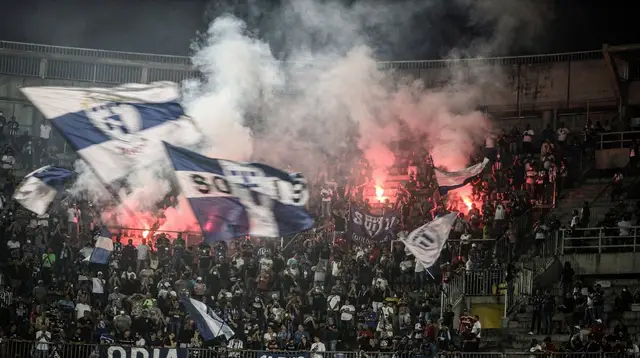
Argentine football is loud, proud, and genuinely thrilling to witness — a Buenos Aires derby is unlike almost anything else a visiting football fan will experience. It is also not a sanitised, family-stand European away day. Flares, non-stop drumming and chanting, dense crowds, and an atmosphere that can turn charged very quickly are part of the normal package, not a worst-case scenario.
This guide does not exist to talk anyone out of going. It exists to make sure a first-time visitor arrives with realistic expectations, the right section, and nothing valuable in their pockets. For how to actually get a ticket, see our match ticket guide; this page is only about what happens once you are inside and around the ground.
The single most important safety decision happens before match day: how you get your ticket. In Argentina, home-supporter sections are effectively closed to outsiders — access requires club membership (socio status) built up over time, and away fans have been barred from most domestic fixtures for years following serious crowd violence. Tourists attend matches through licensed hospitality operators who place visitors together in a designated, more controlled section, sometimes with a guide. That structural fact shapes almost everything else in this guide: you are not going to blend into a home terrace, and you should not try to.
Choosing the right section — and why it matters for safety
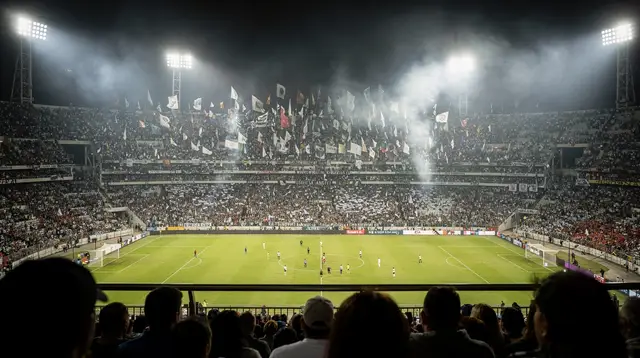
Argentine stadiums are physically divided by fan allegiance, and those divisions are enforced with fencing, segregated entrances, and a heavy police presence. The two grounds every visitor asks about are La Bombonera in La Boca, home to Boca Juniors, and El Monumental in Núñez, home to River Plate. Both are extraordinary to experience and both carry the same underlying risk profile for an unprepared visitor.
| Section type | Who it’s for | Noise & intensity | Typical visitor access |
|---|---|---|---|
| Popular (terrace, standing) | Committed home ultras (barras) | Extreme — flares, constant jumping, dense crush | Not sold to tourists |
| Platea / general seating | Regular home members | High | Rarely available to non-members |
| Visitor hospitality section | Foreign visitors, package guests | High but managed, stewarded | Standard route via licensed operator |
| Museum / stadium tour (non-match day) | Anyone | None | Open to all, no ticket restrictions |
If an offer places you anywhere other than a clearly designated visitor or hospitality area, treat that as a red flag rather than a bargain. A stadium tour on a non-match day is a genuinely good way to see either ground up close with zero crowd risk, and it is worth doing even if you also attend a live match separately — see our comparison of stadium tours.
Before you leave the hotel: what to bring and what to leave
Pickpocketing and phone-snatching are the realistic risks around Argentine football, far more than the rare and heavily reported incidents of organised violence, which are almost always confined to clashes between rival barras bravas rather than aimed at visitors. Even so, a packed, noisy, slow-moving crowd is exactly the environment where opportunistic theft thrives. Treat match day like any dense-crowd event anywhere in the world, then add Buenos Aires’ own general street-safety habits on top — see our broader notes in the safety section of our Buenos Aires trip planning guide.
Bring:
- One payment card and a modest amount of cash in small denominations
- Your ticket or hospitality confirmation, printed or screenshotted (phone signal inside packed stadiums is unreliable)
- A phone in a zipped inner pocket, not a back pocket or an open bag
- A light layer — kick-off times vary by season and evening matches can turn cool
Leave at the hotel:
- Your passport (a photo of the relevant page is enough for identification purposes)
- Spare cards, jewellery, and anything irreplaceable
- A large bag or backpack — many grounds restrict bag size and will refuse entry to anything beyond a small crossbody or clutch
- Lighters, glass bottles, and anything that could be read as a projectile; security checks at the gates are thorough and slow
Getting there and getting home
Both grounds sit in residential, working-class neighbourhoods that are calm on any normal day but transform entirely on match day, with streets closed, informal vendors everywhere, and thousands of fans converging on foot. Arrive at least 90 minutes before kick-off. Entry queues move slowly because of the security checks, and arriving late means pushing through the thickest part of the crowd rather than walking in with room to spare.
For the journey itself, use whatever transport your ticket or hospitality operator arranges — many packages include a private transfer that picks you up directly from your hotel and drops you back afterwards, which removes almost all of the logistical risk. If you are travelling independently, a pre-booked remise (a licensed car booked in advance, distinct from hailing a taxi on the street) is the safer option over flagging a cab in a crowd.
Whatever you choose, do not linger near the stadium once the match ends: the immediate post-match period, when a jubilant or frustrated crowd of tens of thousands empties onto the surrounding streets at once, is when the atmosphere is least predictable. Walk with the flow of the crowd toward your pickup point rather than cutting against it, and save the photos and the lingering for a calmer moment.
Reading the atmosphere honestly
It would be misleading to describe an Argentine match as merely “passionate” in the polite, brochure sense of the word. Expect continuous drumming and chanting from the first minute to the last, smoke and flares (mostly from designated ultra sections, but the smoke drifts), and a noise level that can be genuinely startling if you have only experienced quieter stadium cultures. None of this is aimed at visitors and none of it should be read as danger in itself — it is simply the normal register of the sport here, and for most travellers it is the highlight of the trip.
But it is not the atmosphere to bring small children or anyone who finds sudden loud noise and dense crowds distressing; if that describes your group, a guided visit with a local that includes context and pacing, or watching from a bar instead, is a genuinely better fit than the stadium itself.
Alcohol deserves its own honest mention. Sales are restricted or banned inside most Argentine grounds, which is a real safety measure — but it pushes the drinking to the streets and bars immediately around the stadium before kick-off, where the crowd can be considerably rowdier than the crowd inside. If your route to the gate passes through that zone, keep your wits about you, keep your group together, and treat the pre-match walk with as much care as the match itself.
What a typical visitor match-day experience looks like
Most licensed packages follow a broadly similar shape, and knowing the pattern in advance helps you relax into it rather than second-guessing every step:
- Pickup from a central hotel or meeting point roughly two hours before kick-off
- A briefing from your guide or operator covering the ground’s layout, your section, and basic dos and don’ts
- Arrival at the stadium with priority or fast-track entry where the package includes it
- The match itself, seated or standing within the visitor/hospitality section, often with a guide nearby
- A managed exit and return transfer once the crowd has thinned slightly
This is a different experience from following your usual home team from a regular seat, and it is worth arriving with that expectation set correctly rather than comparing it unfavourably to a European away day.
An alternative for a lower-intensity taste of the atmosphere
If the description above sounds like more intensity than you are looking for, you can still get a genuine sense of Argentine football culture without attending a live match. Sports bars across Palermo and San Telmo show every fixture on large screens, and on Superclásico day in particular, the atmosphere inside a good bar is loud, colourful, and far easier to step away from if it becomes too much — see our dedicated Superclásico guide for how that specific fixture is followed citywide.
Combining a daytime stadium tour with an evening at a bar for the actual match is a sensible, lower-risk way to get most of the experience.
Quick reference: match-day safety checklist
| Do | Avoid |
|---|---|
| Book through a licensed operator with a designated section | Buying from a street reseller or an unofficially “guaranteed” ticket |
| Carry one card and a little cash | Carrying your passport or spare valuables |
| Arrive 90+ minutes early | Arriving in the last 30 minutes before kick-off |
| Wear neutral clothing | Wearing the away team’s colours |
| Use your operator’s transfer or a pre-booked remise | Hailing a random taxi in the crowd outside |
| Stay with your group in the walk to and from the ground | Lingering near the stadium right after the final whistle |
Football match safety in Buenos Aires: frequently asked questions
Can I just buy a ticket at the stadium gate?
No. Home-supporter tickets generally require club membership (socio status), so tourists do not walk up and buy one at the gate. Visitors attend through licensed hospitality or match-day packages that place them in a designated section.
Is it safe to wear the away team’s colours?
Do not. Away fans have long been barred from most Argentine league matches, and wearing a rival team’s colours anywhere near the ground, even as a foreign visitor, invites unwanted attention. Neutral clothing is the safer choice.
What should I not bring to the stadium?
Leave your passport, spare cards, jewellery, and anything irreplaceable at the hotel. Bring one card, a small amount of cash, and a phone you can afford to have jostled. Bags are searched and many items, including lighters and glass bottles, are refused at the gate.
Is alcohol a factor at Argentine football matches?
Alcohol sales are restricted or banned inside most Argentine stadiums, but that does not mean the surrounding streets are dry. Bars and kiosks near the ground do brisk trade before kick-off, and the crowd on the walk in can be rowdier than the crowd inside. Plan your route and timing with that in mind.
How early should I arrive and how do I get home afterwards?
Arrive at least 90 minutes before kick-off, since entry queues and security checks are slow and unpredictable. For the return, use the transport your operator arranges or a pre-booked remise rather than hailing a taxi in the crowd outside; do not linger near the ground once the match ends.
Are La Bombonera and El Monumental equally intense?
Both are famous for noise, flares, and constant singing, and both deserve the same precautions. La Bombonera is smaller and steeper, which concentrates the crowd and the sound even more; El Monumental is larger, with a longer walk from public transport to the gates.
Is it safer to watch a match on television at a bar instead?
For a first visit, or for the Superclásico specifically, a bar with a big screen is a legitimate lower-intensity alternative that still delivers the atmosphere without the logistics or the crowd risk of the stadium itself.
If you would rather have the structure of a match day handled for you from pickup to drop-off, a guided match outing that includes a local host and seating in a visitor section removes most of the planning described above.
For a similarly hosted alternative at a different club, a guided match experience with a Huracán fixture follows the same managed format. And if you simply want company and context without committing to a specific club, a football match experience paired with a knowledgeable local is built around exactly the kind of guidance this page recommends.
Football Matches and Stadium Tours
Verified deep-linked GetYourGuide tours. Book through these links and we earn a small commission at no cost to you.
GetYourGuide does not provide a product photo for this activity — the image shows the meeting point, photographed by us.