Palermo, Recoleta or San Telmo: Where Should You Stay?
Which is better for a stay in Buenos Aires: Palermo, Recoleta or San Telmo?
None is objectively best — Palermo suits travellers who want restaurants, nightlife and parks nearby; Recoleta suits those who want an elegant, quiet base near the cemetery and El Ateneo; San Telmo suits those who want historic, bohemian atmosphere and the Sunday Feria, though its nightlife feel varies more by street after dark.
People ask me this question more than almost anything else about Buenos Aires, and I never give them a straight winner, because there isn’t one. I’ve stayed for stretches in all three of these neighbourhoods over different trips, and each time the choice shaped the trip in a different way — not better or worse, just different. So instead of ranking them, let me tell you what each one actually feels like to live in for a few days.
One thing before anything else: if you’ve typed “Palermo” into a search engine and images of Sicily, cathedrals and the Mediterranean coast came up, you’re in the wrong hemisphere entirely. The Palermo in this article has nothing to do with the Italian city beyond sharing a name — plenty of Argentine place names trace back to Italian, Spanish or other European immigration, and this is one of them. There’s no ferry, no Sicilian coastline, no relation whatsoever. It’s a barrio in Buenos Aires, full stop, and it’s worth saying clearly because I’ve met more than one traveller who booked a flight to the wrong continent’s Palermo by mistake.
What each neighbourhood is actually like to stay in
Palermo is where I’d point almost anyone visiting for the first time who wants restaurants, bars and a bit of buzz outside their front door. It’s really an umbrella name for a large, loosely-defined stretch of the city, and within it people talk about Palermo Soho and Palermo Hollywood as if they were separate neighbourhoods — Soho leans older, leafier and more design-shop-and-café, Hollywood is flatter, a touch more nightlife-driven, named half-jokingly after the TV and film production studios that settled there.
Either way you’re a short walk from the Bosques de Palermo parks, and the whole area feels contemporary — new buildings going up next to converted warehouses, a food scene that changes fast, and streets that stay lively well into the night. The trade-off is that Palermo is large and spread out, so “staying in Palermo” can mean a ten-minute walk to the action or a twenty-five-minute one, depending on exactly where your accommodation lands. Our Palermo Soho vs Hollywood guide goes deeper into which of the two sides actually suits you if you land on Palermo.
Recoleta is the other end of the spectrum, and I mean that as description, not judgment. It’s elegant in a slightly formal, old-money way — wide avenues, French-influenced architecture, a general sense of order that a lot of the rest of the city doesn’t bother with. The Recoleta Cemetery is the neighbourhood’s best-known landmark, a genuinely striking walled city of mausoleums where Eva Perón is buried in the Duarte family vault, and it sits a short walk from El Ateneo Grand Splendid, the bookshop inside a converted 1919 theatre that’s become one of the most photographed interiors in the city.
Staying here means quiet nights, a strong sense of being somewhere established, and less of the after-dark energy Palermo has. It also tends to sit at a premium, which is worth factoring in when you’re comparing options — I’d rather you check current listings yourself than trust any figure I could put in writing here, since this is a market that shifts fast. See our Recoleta neighbourhood guide for a closer look at streets and landmarks beyond the cemetery.
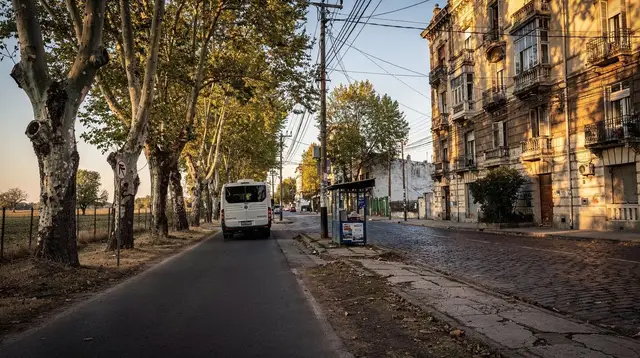
San Telmo is the one I keep coming back to, personally, because it feels the most like the old city — cobbled streets, colonial-era buildings, antique shops that have clearly been in the same family for generations. On Sundays the whole neighbourhood turns into the Feria de San Telmo, stalls running the length of Defensa street down to Plaza Dorrego, tango dancers working the crowd for tips, and it’s one of my favourite few hours anywhere in the city.
During the week it’s quieter and more residential, with the permanent antique shops and the Mercado de San Telmo covered market still open. It’s bohemian in the genuine sense — a bit rough around the edges in places, mixed with newer boutique hotels and restaurants that have moved in over the past years. Our San Telmo neighbourhood guide covers the street-by-street detail if this is the direction you’re leaning.
The honest nightlife note on San Telmo
I want to be direct about this rather than gloss over it: San Telmo’s atmosphere shifts more after dark than Palermo’s or Recoleta’s does. The daytime market streets and the antique quarter are one thing; certain stretches at night, and the areas just beyond the main tourist streets, are another, and that’s true of most large, historic, mixed-income neighbourhoods in most big cities — it isn’t unique to Buenos Aires.
I’d rather send you to a source built specifically for this than try to summarise it in a paragraph here, so read Is Buenos Aires Safe? before you book, especially if your accommodation sits toward the edges of the barrio rather than right on Defensa or near Plaza Dorrego. None of this rules San Telmo out — I’ve stayed there more than once and would again — it’s just a neighbourhood where I’d think a bit more about exactly where the building is and how I’m getting back after a late dinner.
A rough comparison
| Palermo | Recoleta | San Telmo | |
|---|---|---|---|
| Feel | Contemporary, leafy, spread out | Elegant, formal, quiet | Historic, bohemian, mixed |
| Best for | Restaurants, nightlife, parks | Calm base, classic sightseeing | Atmosphere, markets, antiques |
| Signature sight | Bosques de Palermo, Soho/Hollywood streets | Recoleta Cemetery, El Ateneo | Sunday Feria de San Telmo |
| Evenings | Busy, many options nearby | Quiet, restrained | Livelier on main streets, check surroundings |
| Walkability to centre | Moderate — it’s a large barrio | Short to Microcentro | Short, very walkable to San Telmo/Microcentro |
Treat this as a starting point, not a verdict — I’m deliberately not naming a “best” neighbourhood or quoting nightly rates, because both change constantly and both depend entirely on who’s asking.
So which one is right for you
If you’re travelling with a group that wants dinner reservations, a decent cocktail bar and a park to recover in the next morning, Palermo will probably suit you best. If you’d rather have quiet streets, an easy walk to a landmark cemetery and a bookshop, and don’t mind a shorter list of restaurants right outside, Recoleta does that well. If you want to feel like you’re staying somewhere with real history, don’t mind a rougher edge here and there, and love the idea of a Sunday market on your doorstep, San Telmo is hard to beat — just read up on the after-dark picture first and pick your block with a bit of care.
If you’d rather not choose and have at least a couple of days to spare, our two-day Palermo and Recoleta itinerary is built around exactly that combination, letting you sleep in one and spend unhurried time in the other. And if the real question underneath all this is how long to give the city in the first place, How Many Days in Buenos Aires? is the piece to read before you lock in dates.
Whichever you choose, none of the three puts you far from the others. A half-day city tour that swings through Recoleta and La Boca is a good way to get your bearings across neighbourhoods in your first day or two, and if you’re weighing up a longer stay, a four-day introduction to the whole city will take you through all three areas without you having to plan the logistics yourself.
Practical notes before you book
A few things I’d check regardless of which barrio you land in: how far the accommodation is from a Subte station, since that matters more in spread-out Palermo than in compact San Telmo; whether breakfast is included, since Recoleta cafés in particular can be pricier than elsewhere; and whether you’re near enough to walk to at least one thing you actually want to see, rather than relying on taxis for everything. For the fuller picture across every barrio, not just these three, our guide to where to stay in Buenos Aires by neighbourhood is the wider companion piece to this one.
If your evenings lean toward tango, it’s worth knowing that San Telmo has its own concentration of shows, often more intimate than the big production houses elsewhere, and staying nearby means you’re not crossing the city late at night to get back. For something with dinner built in, a tango show in San Telmo with dinner included is one option I’ve enjoyed and it plays into exactly that logic — stay close to what you want your evenings to look like.
Lastly, if part of your trip is about getting out of the city rather than deciding which barrio to sleep in, a day out at an estancia with an asado is worth building into the plan wherever you’re based — it’s a genuinely different pace from any of the three neighbourhoods above, and a nice contrast to a stay built around city streets.
Frequently asked questions about choosing between Palermo, Recoleta and San Telmo
Is Palermo, Buenos Aires related to Palermo, Sicily?
No. They share a name because of Argentina’s history of Italian and Spanish immigration and place-naming, but there’s no other connection — no ferry, no shared coastline, no cultural link beyond the name itself. This Palermo is a barrio of Buenos Aires, on the other side of the Atlantic.
Which neighbourhood is safest to stay in?
All three are generally safe for visitors who take normal city precautions. San Telmo’s atmosphere changes more noticeably after dark than Palermo’s or Recoleta’s, particularly away from the main tourist streets — see our dedicated safety guide for the detail before you book.
Is Recoleta more expensive than Palermo or San Telmo?
Recoleta has a reputation for sitting at the pricier end, but this shifts constantly given how fast prices move in Argentina. Check current listings directly rather than relying on a fixed comparison — nothing written down stays accurate for long here.
Can I walk between Palermo, Recoleta and San Telmo?
Recoleta and San Telmo both sit close to the Microcentro and are walkable from it in well under an hour; Palermo is larger and further out, so walking between Palermo and San Telmo end to end is a long haul best done by Subte or taxi instead.
Which neighbourhood is best for nightlife?
Palermo has the widest and latest-running spread of bars and restaurants. San Telmo has its own nightlife too, concentrated on fewer streets, with more variation in how comfortable different stretches feel after dark.
Is San Telmo too touristy or too run-down to enjoy?
Neither, in my experience — it’s a genuine, lived-in barrio that also happens to be popular with visitors, particularly on Sundays. Like most historic neighbourhoods in large cities, quality and atmosphere vary block by block, which is exactly why it’s worth choosing your specific street with a little care.
Do I need to choose just one neighbourhood for my whole trip?
Not at all. Plenty of visitors split a longer stay across two of the three, especially on trips of five days or more, to get a feel for more than one side of the city without constantly relocating.
Which one is best for first-time visitors?
There’s no single right answer — it depends on what you want your days to look like. Palermo suits travellers who want restaurants and nightlife on the doorstep, Recoleta suits those who want a calmer, classic base, and San Telmo suits those who want atmosphere and history above all else.
Tour Comparisons
Verified deep-linked GetYourGuide tours. Book through these links and we earn a small commission at no cost to you.
GetYourGuide does not provide a product photo for this activity — the image shows the meeting point, photographed by us.