Tango in San Telmo: Milongas and Shows
Where can I see tango in San Telmo?
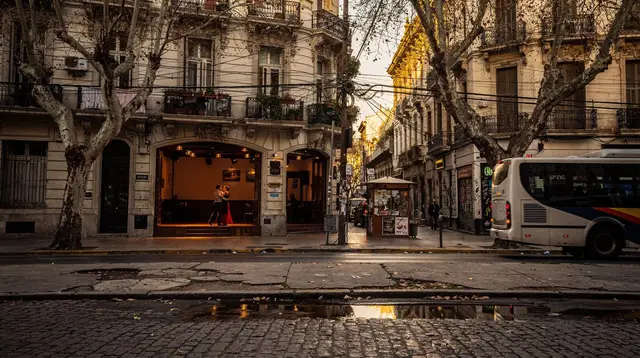
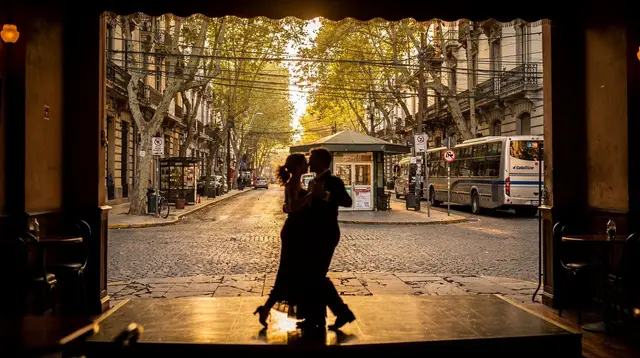
San Telmo mixes small, locally run milongas in old salons and social clubs with a handful of dinner shows in historic buildings, plus street dancers around Plaza Dorrego and Defensa street. It is a quieter, more neighbourhood-flavoured tango scene than the large production shows in the Microcentro or Puerto Madero.
A neighbourhood with its own tango rhythm
Ask a dozen porteños where to see “real” tango and a good number will point you toward San Telmo, the cobbled barrio just south of Plaza de Mayo where the antique trade, colonial-era houses and a long dance history sit side by side. It is worth being precise about what that reputation actually means before you book anything.
San Telmo is not a single tango venue — it is a district that happens to hold several different kinds of tango at once: a scattering of milongas in old salons and social clubs, one or two dinner shows staged in historic buildings, and street dancers working the pavement around Plaza Dorrego for tips. They are not the same product, they are not the same price, and treating them as interchangeable is the most common way visitors end up disappointed either by an overpriced show or by an underwhelming five minutes of street performance mistaken for the real evening out.
This guide stays inside San Telmo and focuses on that neighbourhood mix. For the large, polished production shows concentrated in the Microcentro, Recoleta and Puerto Madero — the kind with a live orchestra, a big cast and a fixed dinner menu — see Buenos Aires tango shows, which covers that separate, more central circuit.
Milongas versus shows: the distinction that matters
The single most useful thing to understand before choosing an evening is the difference between a milonga and a show, because the words get used loosely by tour listings and it changes what you should expect.
A milonga is a social dance event: a hall, a DJ or live orchestra playing tandas of tango, and a floor of local dancers who are there to dance with each other, not to be watched. Most milongas open with a beginner class an hour or so before the dancing proper begins, and newcomers are welcome to sit at a table, order a drink and simply watch — nobody will pull you onto the floor. Etiquette runs on subtle cues, especially the cabeceo, a glance-and-nod invitation to dance from across the room, which takes a few minutes of watching to understand and no real effort to respect.
A show, by contrast, is a ticketed performance: professional dancers, choreographed numbers, a stage or a cleared floor, and an audience that came to watch rather than to dance. Shows in San Telmo tend to be smaller and more intimate than the big-production venues elsewhere in the city, often built into a historic house or a converted conventillo courtyard, sometimes paired with dinner.
| Milonga | Dinner show | |
|---|---|---|
| Who it’s for | Local dancers, curious visitors welcome to watch | Visitors, seated audience |
| Typical start | 19:00–20:00 class, dancing later | 20:00–21:00 |
| Cost | Modest cover, sometimes + class fee | Considerably higher, especially with dinner |
| Participation | You can dance if you wish | You watch |
| Atmosphere | Social club, informal | Staged, theatrical |
Neither is more “correct” than the other — they answer different questions. If you want to watch dancing with a plot, lighting and a set menu, book a show. If you want to sit in a room where Buenos Aires actually goes to dance, find a milonga.
Milongas in San Telmo
San Telmo’s milonga scene runs out of a mix of dedicated dance salons, cultural centres and social clubs, many of them in the same kind of high-ceilinged, slightly worn rooms that give the barrio its antique-shop character. Schedules shift — a room that hosts a milonga on Tuesdays might do something else on Thursdays, and a venue’s night can move between organisers — so treat any specific night-of-the-week claim as something to double-check close to your date rather than a fixed fact. What stays constant is the format: an early class, a warm-up period as the floor fills, and a longer stretch of social dancing that can run past midnight, in keeping with how late evenings generally start in this city.
If you want a gentler entry point than turning up cold to a milonga, a guided evening built around the neighbourhood’s bars, history and tango culture is a reasonable way to get oriented before deciding whether to seek out a milonga on your own later in the trip: an evening walk through San Telmo’s history, bars and tango scene pairs some context with a first taste of the atmosphere.
For the dance itself, a proper beginner tango lesson before you go is genuinely useful — even one class is usually enough to follow the basic footwork and stop feeling like the only person in the room who doesn’t know what a cabeceo is.
The historic dinner show
San Telmo also has its own version of the dinner-and-show format, distinct from the larger production houses covered in the main tango shows guide. One of the better-known examples is staged inside a historic San Telmo house: a tango show in a period San Telmo building, with dinner, which trades scale for setting — smaller cast, older room, and a sense of place that a purpose-built theatre elsewhere in the city can’t quite match.
A second option worth comparing sits at a well-known San Telmo address: a dinner and tango show at a landmark San Telmo venue, El Aljibe.
Both are shows in the sense defined above — seated, choreographed, aimed at visitors — and both happen to sit inside the kind of building that makes San Telmo San Telmo: thick walls, old tile, a courtyard rather than a modern foyer. That is a real point of difference from the shows clustered in the Microcentro and Puerto Madero, but it is a difference in setting and scale, not a claim that one is more genuine tango than the other. Both are commercial productions built for an audience that has bought a ticket.
Street tango, and the Sunday fair it isn’t
Walk through San Telmo on a weekend afternoon, especially around Plaza Dorrego and along Defensa street, and you will likely see couples dancing tango on the cobbles for tips. This is worth enjoying for what it is — a skilled, spontaneous performance — without mistaking it for either a milonga or a show. It is closer to busking: a few numbers, a hat or a tip jar, and dancers who move on or take a break between rounds.
This street tango is often seen alongside the Feria de San Telmo, the Sunday antiques and crafts market that fills Defensa street and Plaza Dorrego (see the San Telmo Sunday market guide for the fair itself). The two overlap in space and time — the fair draws crowds, and dancers work those crowds — but they are not the same event. The fair is a market of stalls, antique dealers and food vendors that runs through the day; the tango you see there is opportunistic street performance riding on that footfall, not a scheduled milonga or show, and it stops when the market winds down in the early evening rather than continuing into the night the way an actual milonga does.
Is San Telmo tango “more authentic”?
It’s tempting to declare San Telmo the authentic tango neighbourhood and the central shows a tourist trap, and the barrio’s history — dense immigrant housing, working-class dance halls, a long association with the music’s early decades — makes that story easy to tell. It is also an oversimplification worth resisting. San Telmo’s milongas genuinely are used by local dancers on their own terms, which does give them a different texture from a scripted stage show, and that’s a fair thing to seek out.
But the neighbourhood also runs its own tourist-facing dinner shows and its own street performance economy working for tips, both aimed squarely at visitors rather than at local dance culture. No single venue in San Telmo, or anywhere else in the city, gets to be declared “the authentic one” without that claim needing a lot of asterisks. The more useful frame is the one this guide has used throughout: know whether you’re walking into a milonga, a show or a street performance, and choose based on what kind of evening you actually want.
Practical planning
Getting there. San Telmo sits just south of the Microcentro and is easily walkable from Plaza de Mayo or reachable by Subte and colectivo from most central neighbourhoods; see the Subte guide and SUBE card guide if you haven’t yet set up transit.
Safety at night. San Telmo is generally fine to walk through in the evening on its main streets, but treat it like any dense city barrio after dark: keep phones and bags secured, especially around Plaza Dorrego when it’s crowded, and take a taxi, remise or ride-hailing app back rather than wandering unfamiliar side streets late at night after a milonga lets out.
Booking ahead. Dinner shows have fixed seatings and limited capacity, so book a few days ahead in high season. Milongas don’t take reservations in the same way — you simply turn up — but if a specific night’s location or class time matters to you, it’s worth confirming close to the date, since schedules shift more often than official listings suggest.
Pairing the evening. Many visitors combine a milonga or show with dinner in the neighbourhood beforehand; see the best parrillas in San Telmo or the San Telmo food tour for that half of the evening, and the San Telmo neighbourhood guide for the wider barrio beyond tango.
Walking it first. If you’d rather get your bearings on foot before committing to an evening out, a guided walk through the barrio’s quieter corners is a low-key way to do it: a walking tour through San Telmo’s hidden streets, with a tango theme covers ground beyond the main tourist strip along Defensa.
Tango and San Telmo, in context
San Telmo’s tango scene rewards a bit of homework precisely because it is not one thing. The barrio holds a real, still-functioning local milonga circuit; a handful of dinner shows trading on genuinely historic buildings; and a street-performance economy that piggybacks on the Sunday fair’s crowds without being part of it. None of those three is a lesser or greater claim on “real” tango than the others — they’re different products for different evenings. Decide first whether you want to watch or to sit among people who came to dance, and the rest of the choice mostly falls into place.
FAQ: Tango in San Telmo
What is the difference between a San Telmo milonga and a tango show?
A milonga is a social dance hall where porteños come to dance tango with each other, usually with a beginner class beforehand; visitors can watch or join. A tango show is a seated, ticketed performance by professional dancers, often with dinner, aimed squarely at travellers rather than local dancers.
Is San Telmo tango more authentic than the big central shows?
It is different, not automatically more authentic. San Telmo’s milongas are genuinely used by local dancers, which gives them a different atmosphere, but the neighbourhood also has its own tourist-facing shows and street performers working for tips, so it pays to know which one you are booking.
Do I need to know how to dance to go to a milonga?
No. Most milongas open with a beginner class, and newcomers are welcome to sit, watch and order a drink without ever standing up. Some etiquette exists around how dancers invite each other (the cabeceo, a glance-and-nod), which is easy to pick up just by observing for a few minutes.
Is San Telmo tango connected to the Sunday antiques fair?
Loosely. The Feria de San Telmo, the Sunday antiques and crafts market along Defensa street and Plaza Dorrego, draws street tango dancers performing for tips during the day, which is a different thing from an evening milonga or a ticketed dinner show. The fair itself is a market, not a tango event.
What should I wear to a San Telmo milonga?
Smart-casual is fine at most milongas — comfortable shoes with a smooth sole for dancing if you plan to join in, nothing more formal than that. Dinner shows tend to expect neater dress than a neighbourhood milonga does.
What time do things start?
Milongas in San Telmo often begin with a class around 19:00–20:00 and the dancing itself can run past midnight, in keeping with the city’s generally late evenings. Dinner shows typically start earlier, around 20:00–21:00, on a fixed schedule aimed at visitors who want to be out by a reasonable hour.
How much does an evening of tango in San Telmo cost?
A milonga entry is usually a modest cover charge, often with an optional beginner class for a bit more, while a historic dinner show with a full meal runs considerably higher. Prices are best treated as a snapshot given the peso’s inflation, so check current listings before budgeting.
Tango Shows and Milongas
Verified deep-linked GetYourGuide tours. Book through these links and we earn a small commission at no cost to you.
GetYourGuide does not provide a product photo for this activity — the image shows the meeting point, photographed by us.