Argentine Cooking Classes in Palermo
What makes a Palermo cooking class different from a general Buenos Aires cooking class?
Palermo classes run in small private kitchens or cooking studios scattered through Palermo Soho and Palermo Hollywood, usually capped at a handful of guests, often paired with a walk to a local market first. That format is common in Palermo because of its density of apartments-turned-studios and its walkable market culture, but it is not exclusive to the neighbourhood — San Telmo and other barrios run comparable classes.
Why Palermo has become a cooking-class hub
Ask a handful of Buenos Aires cooking schools where they’re based and a striking number will say Palermo — specifically the leafy, low-rise streets of Palermo Soho and Palermo Hollywood. That’s not an accident of marketing.
Palermo is dense with the kind of renovated apartments, loft kitchens and small culinary studios that this format needs: enough space for a demonstration counter and a few stools, a domestic feel rather than a commercial-kitchen one, and a location guests can reach on foot from their hotel or short-term rental. The neighbourhood’s own food culture — its parrillas, its wine bars, its produce shops — supplies both the ingredients and the atmosphere.
That concentration is worth being precise about, because it’s easy to overstate. Palermo has a lot of this kind of class. It does not have a monopoly on it. San Telmo runs comparable hosted sessions in its own old houses and courtyards, and citywide cooking schools operate independently of any single barrio — see the general cooking class guide family of pages for the wider picture, including asado classes and empanada classes that aren’t tied to Palermo specifically.
If your itinerary keeps you based elsewhere, don’t assume you have to cross the city for this experience. What Palermo does offer, reliably, is choice and proximity: on a single evening you could plausibly pick between three or four different small-group sessions within a ten-minute walk of each other.
What “Palermo format” actually means
The phrase gets used loosely, so it’s worth breaking down what distinguishes a Palermo-based class from a generic one, beyond the address.
Small groups, private space. Most of what’s booked here runs in a host’s own kitchen or a small studio set up for the purpose, not a large commercial teaching kitchen. Group sizes commonly sit in the six-to-twelve range for shared sessions, which changes the pace: everyone gets hands-on time at the counter rather than watching a chef from the back row.
A neighbourhood ingredient story. Because the studios sit inside Palermo, several classes build a short stop at a local market or butcher into the session — buying the beef for an asado, or picking herbs and cheese for an empanada filling — before moving to the kitchen. That’s a genuinely local touch that a class run in a hotel conference room elsewhere in the city can’t easily replicate.
Evening timing that suits the neighbourhood’s own rhythm. Palermo classes frequently run into early evening, which lines up with the barrio’s own late dining culture and lets the session double as a first stop before a night out in Palermo’s bars — dinner doesn’t usually start before 21:00 in Buenos Aires, so a 17:00 or 18:00 class comfortably becomes your evening meal.
A tighter menu focus. Rather than trying to teach a full Argentine culinary tour in one sitting, most Palermo sessions pick one subject — asado technique, or empanadas and alfajores, or mate — and go deep on it. That’s different from some all-in-one cooking-and-dinner experiences elsewhere in the city that cover several dishes at a shallower level.
None of this makes Palermo uniquely capable of teaching Argentine cooking. It makes Palermo a convenient, well-supplied place to take a small, focused class if that’s where you’re staying or spending your evening.
Asado: the flagship class, and what it actually involves
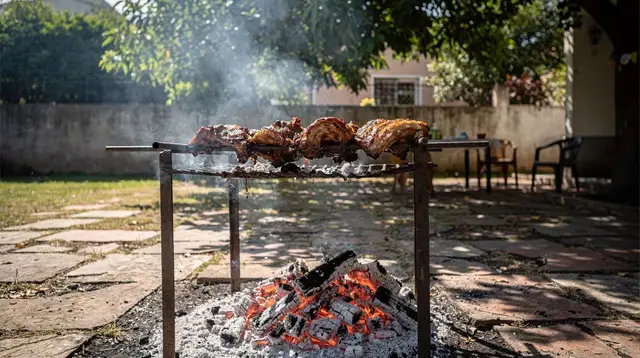
Of everything on offer, the asado class is the one most closely associated with Buenos Aires cooking, and for good reason: Argentine barbecue is a technique, not a recipe, and it rewards being taught in person. A typical Palermo asado masterclass covers fire building and management with wood or charcoal, the logic of Argentine cuts (which differ from a US or European butcher’s breakdown), timing across different cuts and thicknesses, and the seasoning conventions — salt, chimichurri, little else. Expect three to four hours given the slow, low-heat method Argentine asado uses; this isn’t a quick sear.
a small-group asado masterclass based in a Palermo kitchen or courtyardIf you’d rather not share the grill with strangers, or you’re travelling with a group that wants the full session tailored to your own pace and dietary needs, the private version removes the shared-group constraints entirely:
a private asado masterclass for your own group, with the schedule built around youEither version pairs naturally with a broader interest in Argentine grilling — if you’d rather eat than cook, the parrilla guide for Palermo and the wider asado and parrilla primer cover where to book a table instead of an apron.
Empanadas and alfajores: the faster, more portable class
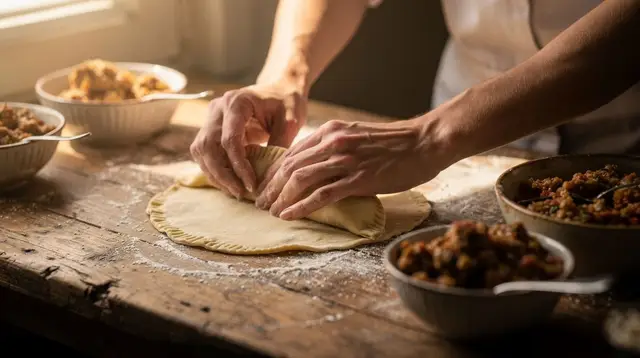
Not every visitor has a free afternoon for a slow-cooked asado session, and not every traveller wants to stand over a grill. The empanada and alfajor class is the practical alternative: kitchen-based, hands-on with dough and filling from the start, and generally finished within two to three hours. You’ll typically fold a batch of empanadas with a couple of regional fillings — beef, and often a vegetable or cheese option — and make alfajores, the dulce-de-leche sandwich cookies that show up on every café counter in the city. It’s a format that photographs well, teaches a skill you can actually repeat at home, and works for families and less food-obsessed travel companions who’d find a four-hour asado session a stretch.
a hands-on empanada and alfajor class in a Palermo kitchenFor a smaller party or a session built entirely around your own timing and preferences, the private option is worth the premium:
a private empanada and alfajor lesson scheduled to suit your groupThere’s also a dedicated version run by a different local host under a slightly different format — worth comparing against the two above if your dates don’t line up with one of them:
another Palermo-based empanada cooking experience with its own host and kitchenIf you want the wider context on Argentine street food and bakery culture before or after the class, the best empanadas in Buenos Aires guide and the dulce de leche and medialunas piece cover where those flavours show up outside a teaching kitchen.
Mate: the shortest class, and arguably the most useful
Mate — the bitter, caffeinated infusion sipped through a metal straw from a shared gourd — is less a recipe than a social ritual, and Palermo hosts run short classes specifically to demystify it: how much yerba to use, water temperature (it should never actually boil), how to prime a gourd, and the etiquette of passing it around a circle of drinkers. It’s a lighter commitment than the cooking classes above, usually paired with snacks, and genuinely useful if you plan to spend any part of your trip in a park or a home where mate gets passed around and you don’t want to be the visitor who doesn’t know the rules.
a Palermo mate-brewing class with snacks, covering the etiquette and technique of drinking mateFor the cultural background beyond the how-to, see the mate culture in Argentina piece.
Choosing between the formats
| Class type | Typical length | Setting | Best for |
|---|---|---|---|
| Asado masterclass (shared) | 3–4 hours | Kitchen or courtyard, small group | Travellers who want real grilling technique, have an afternoon free |
| Asado masterclass (private) | 3–4 hours | Private, your own group | Groups wanting flexibility, dietary control, no strangers |
| Empanada & alfajor class | 2–3 hours | Kitchen or studio, small group | Shorter visits, families, non-meat-focused sessions |
| Empanada & alfajor class (private) | 2–3 hours | Private, your own group | Same as above, with a fixed schedule around your day |
| Mate brewing class | Under 2 hours | Kitchen or studio, small group, with snacks | Anyone wanting the etiquette before spending time with locals |
Prices vary by host, group size and season and are best checked at the time of booking rather than quoted here as a fixed figure — like most peso-denominated costs in Buenos Aires, they move. As a rule of thumb, private sessions cost meaningfully more per person than shared ones but remove the scheduling and group-size constraints entirely.
Practical notes for booking a Palermo class
Book ahead, particularly for evening slots in the southern hemisphere summer (December to February), when Palermo’s small-group classes are competing for the same handful of seats with the neighbourhood’s restaurant and bar crowd. Confirm dietary restrictions when you book rather than on arrival — asado classes are built around beef and other meats by nature, and while empanada classes can usually flex to a vegetarian filling, it needs advance notice, not a request at the stove.
Most hosts list an approximate address only after booking, for privacy, since many of these run out of what are genuinely private apartments rather than commercial premises; expect final location details closer to the date. If you’re staying in Palermo Soho or Palermo Hollywood already, walking distance is often realistic; if you’re based in Recoleta, San Telmo or Puerto Madero, budget a taxi or rideshare both ways rather than relying on the Subte for an evening return trip.
If cooking isn’t the only thing pulling you toward food in Palermo, it’s worth pairing a class with a Palermo food tour on a different day, or browsing the neighbourhood’s wine bars for an evening that doesn’t involve an apron at all.
For travellers who want the cooking experience woven into a longer, guided food itinerary rather than a single booking, the market-to-table cooking class and wine-pairing cooking class guides cover formats that go beyond the Palermo-specific offering described here, and the general private cooking class guide rounds up private options across the whole city, not only this barrio. For the neighbourhood itself beyond food, the things to do in Palermo hub and the things to do: cooking classes category page both sit one level up from this specific guide.
Argentine cooking classes in Palermo: FAQ
Do I need to book a Palermo cooking class in advance?
Yes. Most run in private kitchens or small studios with a fixed number of seats — often six to twelve people — and popular evening slots in Palermo Soho fill up several days ahead, especially in the southern hemisphere summer (December to February).
Is Palermo the only neighbourhood with cooking classes in Buenos Aires?
No. Cooking schools and hosted classes also run in San Telmo and other central barrios. Palermo simply has an unusually dense supply of small private-kitchen and studio classes, which is why it reads as a specialty of the neighbourhood.
What’s the difference between an asado class and an empanada class?
An asado class centres on Argentine grilling technique — fire management, cuts of beef, timing — and usually runs longer, sometimes outdoors. An empanada and alfajor class is kitchen-based, faster-paced and more hands-on with dough, filling and folding, and suits travellers without a full afternoon free.
Are these classes suitable for vegetarians?
Ask before booking. Asado classes are built around beef and other meats by definition; empanada classes can usually accommodate a vegetable or cheese filling with notice, and mate classes have no meat content at all.
How long does a typical Palermo cooking class last?
Empanada and alfajor classes typically run two to three hours. Asado masterclasses usually run three to four hours given the slower cooking method. Private versions can run longer and are scheduled around the group’s own timing.
Can I do a cooking class and a market visit in Palermo on the same outing?
Many small-group classes build a short market or produce stop into the session itself, particularly around Palermo Soho, rather than treating shopping and cooking as two separate bookings.
Is alcohol included, and can I bring my own wine?
Wine or a welcome drink is included in most versions; policies on bringing your own bottle vary by host, so check the listing or ask the operator directly before the session.
Cooking Classes and Workshops
Verified deep-linked GetYourGuide tours. Book through these links and we earn a small commission at no cost to you.
GetYourGuide does not provide a product photo for this activity — the image shows the meeting point, photographed by us.