Market-to-Table Cooking Classes in Buenos Aires
What is a market-to-table cooking class in Buenos Aires?
It pairs a guided walk through a working food market with a hands-on cooking session built around what the group actually bought there. Expect three to five hours rather than the roughly two hours of a standard closed-kitchen class, and treat any product list as approximate — the menu follows the day's stalls, not a fixed script.
Most cooking classes in Buenos Aires happen entirely indoors: ingredients are already washed, chopped and waiting when the group arrives, and the whole thing wraps up in about two hours. A market-to-table class does something different. It starts on the street, in a working market, where the group looks at what is actually for sale that morning — and only then moves into the kitchen to cook it.
That order matters more than it sounds. In San Telmo, the barrio where most of these classes are based, the Mercado de San Telmo and the grocers and butchers around it are not a staged backdrop; they are genuinely still supplying the neighbourhood. What is abundant, what is in season, what the vendor recommends that day — all of it shapes the class before a single pan gets hot.
What actually happens on a market-to-table class
The format is consistent across most operators, even if the specific stops and dishes vary.
The walk. A guide or chef leads the group through the market on foot, usually for around an hour. This is not a rushed transit — expect stops at a few stalls, tastings of things like cheese, cured meats or fruit, and explanations of ingredients that may be unfamiliar to visitors, from particular cuts of beef to regional vegetables. Along the way, the group either watches the instructor select ingredients or actively helps choose them.
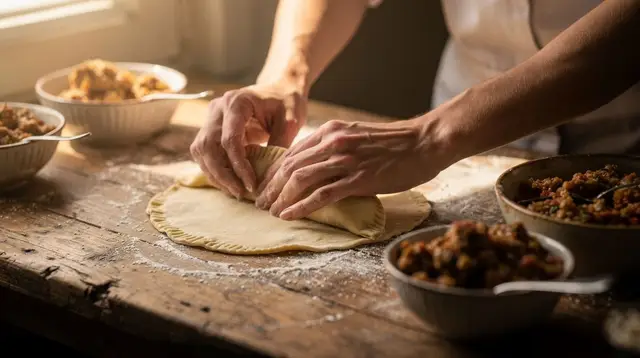
The cook. Back in a kitchen — sometimes attached to the market, sometimes a short walk away in San Telmo — the group cooks a menu built around what was bought. This is hands-on: chopping, seasoning, assembling, not watching a demonstration. An instructor guides the group through each dish, with time for questions about technique as much as about the ingredients themselves.
The meal. The class ends by eating what was cooked, usually seated together, sometimes with a glass of wine included. This is where the format earns the extra time over a standard class — it is built as a half-day outing, not a quick add-on between two other activities.
Who this format suits
A market-to-table class rewards travellers who like process as much as result. If what you really want is to sit down and eat well with minimal effort, a closed-kitchen Argentine cooking class in Palermo or a food tour in San Telmo gets you there faster, without the walking or the market noise. But if part of the appeal of travel is seeing how a neighbourhood actually feeds itself — what a butcher recommends, what a produce stall is proud of that week — the extra hour on your feet is the point, not a cost to minimise.
It also suits people travelling in pairs or small groups more comfortably than solo travellers looking for a quiet morning: the walk is social, the kitchen is shared, and most of the class is built around conversation with the instructor and other participants as much as the food itself. Families with older children who enjoy hands-on tasks tend to do well; very young children may find the market walk long before the more hands-on cooking segment even begins.
Other cooking class themes if market-to-table isn’t the fit
Not every visitor wants the market component, and not every operator builds their class around it. If your interest is specifically in a lighter, faster format, a guided empanadas and alfajores class keeps the focus tight on two classic items without the market stage. Travelling with kids who want a shorter, simpler session works better with a family-friendly private empanada class, which trims the format down to a single dish and a private group.
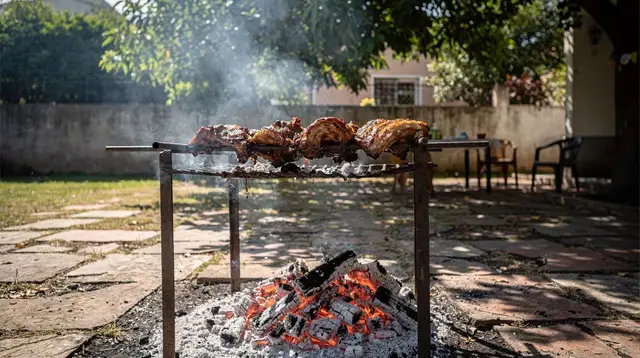
For dietary needs that a market walk complicates — since the final menu depends on what is available that morning — a class built around a fixed, confirmed menu removes the guesswork: a vegan cooking class with food tasting is one option if plant-based eating is a requirement rather than a preference. And for visitors whose main interest is the asado tradition specifically rather than a broader market-driven menu, an asado cooking class or dining experience focuses on grilled beef technique in a dedicated session.
None of these substitute for the market walk itself — they are simply narrower, more predictable formats for travellers who want to control the menu, the time commitment or the price point more tightly than a market-to-table class allows.
Getting to San Telmo for the class
San Telmo sits close to central Buenos Aires, and most operators list a meeting point inside or near the Mercado de San Telmo itself. Visitors staying in Microcentro, Puerto Madero or Recoleta can typically reach San Telmo by subte plus a short walk, or by taxi or rideshare — see the taxis, remises and rideshare guide for how those compare on cost and convenience. Whichever way you arrive, build in a buffer before the class start time: market classes typically begin promptly since the whole group needs to be present for the walk, and arriving late means missing the first stalls rather than just slipping into a seated session.
If you are combining the class with a longer stay in the barrio, pair it with a broader San Telmo walking tour either before or after, or time your visit for a Sunday to also catch the San Telmo Sunday market guide covering the separate antiques fair on Defensa street. In the evening, San Telmo’s bars are an easy, low-effort way to close out a day that started early with a market walk.
Why the product list is never fixed
It is worth being blunt about one thing: no honest operator can hand you an exact ingredient list before the day. A market runs on what came in that morning — a particular cut of beef, a specific squash, whatever fish looked best at the counter. Operators publish a typical structure (an appetizer, a main built around a market protein, sometimes a dessert) as a guide to the shape of the experience, not a fixed menu.
This is a feature of the format, not a shortcoming. A class that could promise an identical dish every single day would not really be shopping at a live market — it would be reheating a script. If a listing promises an exact, unchanging menu regardless of the season or the day, treat that as a sign the “market” component is more decorative than real.
How it compares to other food experiences in San Telmo
| Experience | Includes cooking? | Typical length | Menu is fixed? |
|---|---|---|---|
| Market-to-table cooking class | Yes | 3–5 hours | No — follows the day’s market |
| Mercado de San Telmo visit (self-guided or tasting walk) | No | 1–2 hours | No fixed menu, no cooking |
| Standard closed-kitchen Argentine cooking class | Yes | ~2 hours | Usually, ingredients pre-sourced |
| Food tour, San Telmo | No | 2–3 hours | Set stops, tasting portions only |
| Empanada cooking class | Yes | ~2 hours | Yes, single dish focus |
The closest comparison worth naming directly is the Mercado de San Telmo food guide: that page covers browsing and eating your way through the market itself, stall by stall, with no cooking component at all. A market-to-table class overlaps with it for the first hour, then diverges — it adds the kitchen, the instructor and the sit-down meal that the market visit alone does not include.
Booking one
a broader Argentinian cooking class in Buenos Aires is a reasonable starting point to compare against, since several operators list market components as an optional or included stage rather than a separate product. For a lighter, tasting-led version of the same idea, an empanada, alfajor and wine class based in San Telmo covers a narrower, single-theme menu in a shorter session.
Groups wanting more control over pacing, dietary swaps or a private group size tend to look at a private Argentine cooking class, where the market stage (if included) can usually be adjusted to the group’s interests. At the higher end, an Argentine cooking class designed by a Michelin-recognised chef applies the same market-then-kitchen logic with more technique-focused instruction.
Whichever operator you choose, check three things before booking: whether the market walk is a genuinely separate stage with real stall interaction (not a five-minute photo stop), how long the whole thing runs door to door, and whether dietary needs can be flagged in advance so the market choices can be steered around them.
Planning the rest of the day around it
Because a market-to-table class runs three to five hours, it sits most comfortably as the anchor of a half-day rather than one stop among several. Pair a morning class with an afternoon San Telmo neighbourhood walk once the kitchen wraps up, or fold it into a slower-paced one-day San Telmo and La Boca itinerary that does not try to also fit in Recoleta or Palermo the same day.
If your main interest is eating rather than cooking, a San Telmo food tour covers more distinct tasting stops in a shorter window and asks nothing of your knife skills. If it is Sunday and the Feria de San Telmo is running on Defensa street and Plaza Dorrego, note that the antiques fair and the food market are two different things in the same barrio — a market-to-table class draws on the covered food market and neighbourhood grocers, not the Sunday antiques stalls.
Practical notes
Wear comfortable shoes for the market portion — it is a walk through a working space with uneven floors in places, not a seated tour. Bring a reusable tote if you like; some classes let participants carry a share of what was bought. Arrive with an appetite: between market tastings and the final meal, this is not a light snack of an activity.
Prices for market-to-table formats generally sit above a standard closed-kitchen class, reflecting the added market stage and the longer overall time. Confirm current pricing and any age restrictions directly on the listing, since these details change between seasons and operators.
Frequently asked questions about market-to-table cooking classes in Buenos Aires
What is a market-to-table cooking class in Buenos Aires?
It pairs a guided walk through a working food market with a hands-on cooking session built around what the group actually bought there. Expect three to five hours rather than the roughly two hours of a standard closed-kitchen class, and treat any product list as approximate — the menu follows the day’s stalls, not a fixed script.
How is a market-to-table class different from a normal cooking class?
A standard cooking class starts and ends in the kitchen with ingredients already assembled. A market-to-table format adds a guided walk through a market first, where the group chooses produce, meat or cheese from working stalls, then cooks with what was bought. It runs longer and moves at a slower, more conversational pace.
Will I know the exact menu in advance?
Only roughly. Operators publish a typical structure — an appetizer, a main built around a market protein or vegetable, sometimes a dessert — but the specific dishes depend on what looks good at the stalls that morning. Treat any published menu as an example, not a guarantee.
Which market do these classes usually visit?
Most operators working in San Telmo build the walk around the Mercado de San Telmo and the surrounding grocers and butchers, since the barrio combines a historic covered market with easy access from central hotels. Confirm the exact meeting point and market with your operator before booking.
How long does a market-to-table class take?
Budget three to five hours door to door: roughly an hour for the market walk, then cooking, eating and cleanup. That is noticeably longer than a closed-kitchen class of about two hours, so it works better as a half-day activity than a quick add-on.
Is this different from just visiting the San Telmo market on its own?
Yes. A standalone market visit is a browse — stalls, produce, atmosphere, maybe a snack — with no cooking component. A market-to-table class adds a working kitchen session afterwards, built around what was bought, with an instructor guiding the cooking.
Do these classes suit vegetarians or people with allergies?
Many do, but because the final dishes depend on the day’s market finds, flag dietary needs when booking rather than on arrival, so the operator can steer the market choices accordingly.
Do I need Spanish to follow the class?
No. Classes aimed at visitors in San Telmo are normally run in English, sometimes with Spanish alongside, and instructors are used to explaining unfamiliar market produce as they go.
Is alcohol included?
Some formats include a glass of Malbec or other wine with the meal; others focus purely on the market and cooking. Check the specific listing rather than assuming.
Cooking Classes and Workshops
Verified deep-linked GetYourGuide tours. Book through these links and we earn a small commission at no cost to you.
GetYourGuide does not provide a product photo for this activity — the image shows the meeting point, photographed by us.