Buenos Aires in January: My Honest Take on High Summer
What is Buenos Aires like in January?
January is deep summer in Buenos Aires, not winter: heavy heat and humidity, frequent late-afternoon thunderstorms, and a city that empties out as porteños leave for the coast, so some theatres and shops slow down while river and pool life picks up.
The first time I landed in Buenos Aires in January, I’d packed half a European winter wardrobe out of habit and never opened that bag once. The air outside Ezeiza hit like a wet towel, the taxi’s windows fogged from the air conditioning, and somewhere on the highway into the city I finally accepted what I’d read a dozen times and not quite believed: here, January is August.
Unlearning the European Calendar
This is the single hardest thing to get right before a January trip, and I say that as someone who nearly got it wrong myself. Argentina sits in the southern hemisphere, so the seasons run backwards from what most of us grew up with. Summer stretches from December to February, winter from June to August, and July — which feels like the obvious “warm month” if you’re not paying attention — is actually the coldest stretch of the year here. If you take one thing from this piece, take that: do not pack for a European July when you’re flying in for a Río de la Plata January.
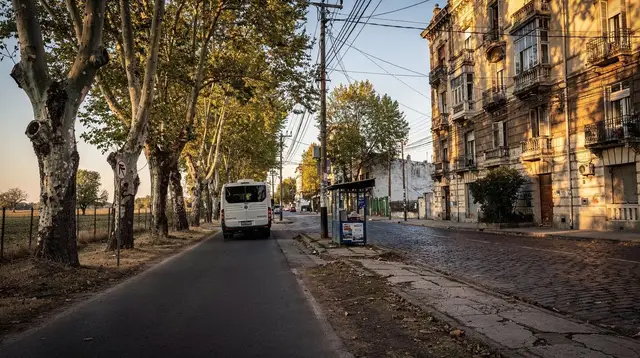
Once that clicks, the rest of the season starts to make sense. January is the peak of the heat, and it comes with real humidity — the kind that has you changing shirts twice a day and walking on the shaded side of the street out of instinct rather than planning. I won’t give you a number for how hot it gets, because a single figure convinces you it applies every day, and it doesn’t. What’s constant is the character of the heat: heavy, sticky, and reliably broken by dramatic thunderstorms in the late afternoon or evening. I got caught in one crossing Plaza de Mayo with no warning at all — blue sky, then a wall of rain twenty minutes later, then blue sky again by dinner.
A City That Half-Empties Itself
What surprised me more than the weather was how quiet parts of the city felt. Porteños treat January the way much of Europe treats August: it’s when you leave. Coastal towns along the Atlantic fill up while whole blocks of Buenos Aires go strangely still.
Some restaurants close for a few weeks, family-run shops put up handwritten signs, and the cultural calendar in the centre thins out noticeably — this is not the month to assume the Teatro Colón’s evening programme will be running at full tilt, so it’s worth checking what’s actually on before building an evening around it. None of this makes the city unpleasant; if anything, a quieter Microcentro and shorter queues at a few sights felt like a fair trade.
What doesn’t slow down is life near the water. Pools fill up, riverside spots along the Costanera get busy, and the whole rhythm of the city shifts toward whoever’s still around finding shade, a drink, and somewhere to cool off. I noticed this most in Palermo, where evening terraces stayed lively well past the hour I’d have expected a Tuesday to wind down at home — but dinner here rarely starts before nine anyway, January or not, so late nights are just the default.
Where the Heat Actually Sends You
Given the heat, I ended up restructuring my days more than I’d planned. Mornings became the serious walking hours — San Telmo, the Microcentro, Recoleta — before the sun got properly high. Midday I looked for anything indoors or shaded: a long lunch, the antique arcades near Plaza Dorrego (worth timing around the Sunday market if your trip lands on a weekend), the cool marble halls of a museum, or the shaded paths of the Recoleta Cemetery. Afternoons, when the storms tend to build, I stayed flexible rather than committing to anything outdoors I couldn’t easily abandon.
The Costanera Sur Ecological Reserve is a good example of a place January punishes if you time it wrong. It’s a genuinely lovely riverside wetland walk, but there’s no shade and nothing sold inside for most of its length, so a midday visit in summer is a bad idea — go early morning or late in the day instead. The same logic pushed me toward the river more generally. A day trip up to Tigre and out onto the Paraná Delta turned into one of my favourite days precisely because it’s built around water — a slow lancha ride through the wooded channels, with a breeze that the streets of the city simply don’t offer.
I went with a brunch-and-guided-visit option that combined the boat ride with a proper stop to eat, which suited the pace of a hot day far better than rushing. If you’d rather keep the day shorter and more focused on the water itself, a half-day Tigre Delta tour with navigation covers the same channels in less time.
While you’re up there, the Puerto de Frutos market is a shaded, covered alternative to more walking in the open, and if you catch the train out via the coast, a stop in San Isidro breaks the trip up nicely.
If you’re drawn further out, it’s worth knowing that Iguazú, roughly two hours away by air, is a different climate register entirely — hotter and more humid again, with the falls generating their own thick, tropical mist on top of it. I’d treat a January visit to Iguazú Falls as an immersion in that heat rather than an escape from Buenos Aires’ version of it, and I’d plan the walkways for the earliest and latest parts of the day for the same reason I avoided midday at Costanera Sur.
What I’d Actually Do With a January Week
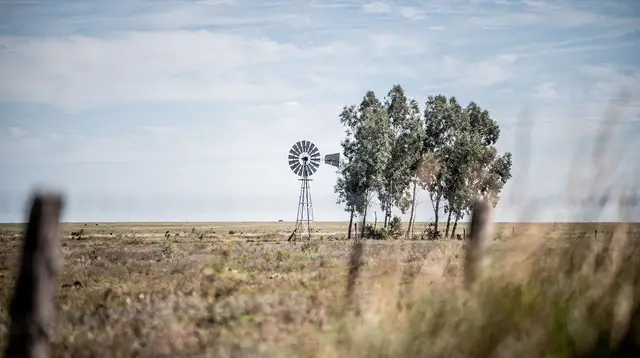
I leaned into activities that either used the heat (the river, the pool culture, long shaded lunches) or sidestepped it entirely. An estancia day out in the pampas worked surprisingly well — wide open country, shade from the trees around the main house, and an asado lunch that felt exactly right after a hot morning on horseback or watching a doma display.
A gaucho day experience with an asado BBQ gave me that whole rhythm without having to plan the logistics myself, and if January has you in the mood for wide-open country over city blocks, it’s worth reading up on San Antonio de Areco — and the wider estancia day trip options — before you book anything.
Evenings, once the day’s heat had broken, were when I did the things that don’t care about temperature at all: a tango show — I booked the Rojo Tango show one night, and it’s an indoor, air-conditioned evening that has nothing to do with the day’s weather — a wander through Palermo Soho once the light softened, a late dinner that started closer to ten than nine. On another evening I tried a half-day milonga tango night tour, which felt less staged and more like watching porteños actually dance.
I also used a quiet January weekday to slip across the river to Montevideo on a Montevideo day trip with lunch and ferry — the ferry terminal at Puerto Madero was pleasantly uncrowded, and the sea breeze on the Uruguayan side felt like a small reward for enduring the crossing’s own version of the heat. If a slower pace appeals more than a capital city, Colonia del Sacramento is the shorter, more walkable crossing, and it’s worth reading the ferry guide before choosing between the two.
Should You Come in January?
Honestly, yes, if you go in knowing what you’re signing up for. It’s not the polished, festival-dense Buenos Aires of spring, and it’s not a comfortable month for marathon walking tours in the midday sun. But it’s an authentic slice of how the city actually lives in summer — pools over performances, rivers over ruins, long lazy evenings once the heat finally lets go. Pack light fabrics, plan around the storms rather than against them, and don’t be surprised if your favourite afternoon of the whole trip is the one you spent on a boat.
If you want the fuller picture of the season before you commit to dates, our Buenos Aires summer guide and the general day trips from Buenos Aires roundup are both worth a read, and it’s worth cross-checking against best time to visit Buenos Aires if January isn’t a fixed date for you yet.
Frequently Asked Questions About Visiting Buenos Aires in January
Is January a good time to visit Buenos Aires?
It can be, if you enjoy heat and don’t mind a quieter cultural calendar in parts of the city centre. January is deep summer, so plan around midday heat and expect some restaurants, shops and theatre programming to be reduced as locals travel for their own holidays.
Is January hot in Buenos Aires?
Yes — January sits at the height of the southern summer, with heavy humidity and frequent thunderstorms building in the late afternoon or evening. Exact conditions vary year to year, so check a current forecast close to your trip rather than relying on a fixed figure.
Why is Buenos Aires empty in January?
Argentina’s summer holiday season runs through January and February, and many porteños leave the city for the coast or the countryside during that stretch, the way much of Europe empties out in August. Some businesses reduce hours or close for part of the month as a result.
Is Iguazú hotter than Buenos Aires in January?
Generally yes. Iguazú sits further north in a subtropical zone, and in January it tends to run hotter and more humid than Buenos Aires, with the falls themselves generating additional mist and moisture. Plan walkways for early morning or late afternoon.
What should I pack for Buenos Aires in January?
Light, breathable fabrics, a rain layer for sudden afternoon storms, comfortable shoes for shaded morning walks, and swimwear if you plan any river or pool time. Leave the winter layers at home — despite the month, this is not a cold-weather trip.
Are museums and theatres open in Buenos Aires in January?
Many are, but on a reduced or shifted schedule, and some close for part of the month as staff take their own summer break. Check specific opening hours and programming, especially for evening performances, before building a day around them.
Is it worth doing a day trip to Tigre or the Delta in January?
Very much so — the river breeze and boat rides make it one of the more comfortable ways to spend a hot day, and it’s a welcome contrast to walking the city streets at midday.
Does the Buenos Aires heat affect a day trip to Montevideo or Colonia?
The ferry crossing itself is on open water and generally pleasant, and both Uruguayan towns share a similar summer climate to Buenos Aires. Midday walking still calls for shade breaks and water, just as it would on the Argentine side.
Seasonal Guide
Verified deep-linked GetYourGuide tours. Book through these links and we earn a small commission at no cost to you.
GetYourGuide does not provide a product photo for this activity — the image shows the meeting point, photographed by us.