Buenos Aires Summer Guide: What December to February Are Really Like
What is summer like in Buenos Aires?
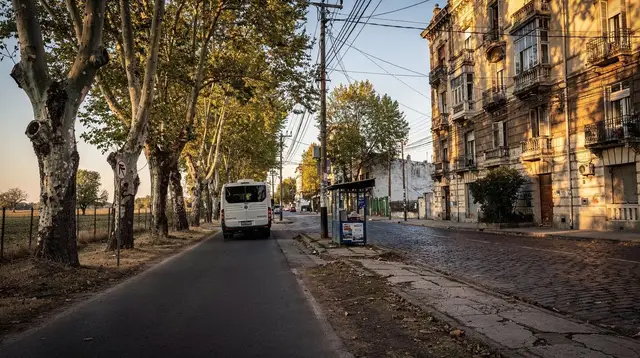
Summer runs from December to February, the reverse of the northern hemisphere calendar. Expect marked heat and heavy, humid air especially in the evenings, a city that shifts outdoors toward parks, pools and the river, and a noticeably quieter centre in January as many porteños leave for the coast.
I keep coming back to the same correction whenever someone asks me about “summer in Buenos Aires” and means July. It doesn’t. Buenos Aires sits south of the equator, so its calendar runs backwards from what most visitors assume: summer here is December, January and February, and July is deep winter. I’ve written that correction into the best time to visit page and into each of the monthly ones, and I’m putting it at the top here one more time because it’s the single most common mix-up I hear before a trip.
This page isn’t meant to replace the month-by-month detail. I’ve already written separate reads on December, January and February, and those are where I go into specific dates, events and the small differences between the start and the end of the season. What I want to do here is something different: step back and describe what the whole stretch feels like as one season, because there’s a thread that runs through all three months and gets lost if you only read them one at a time.
The heat is the organising fact of the season
I’m not going to quote you a temperature or a humidity percentage, and that’s deliberate. Numbers age badly, they vary wildly between a dry afternoon and a heavy, sticky evening, and honestly they don’t tell you much about how the season actually sits on you. What I can tell you, plainly, is that summer here means marked heat during the day and air that often stays heavy and slow to cool once the sun goes down. It’s not the dry heat of a desert city; it’s a river-city heat, thick and a little relentless by evening, especially through the most humid stretches of January.
That heaviness shapes how I plan my own days here in summer. Mornings are for anything that involves walking on pavement without shade — the Microcentro, a loop through Plaza de Mayo, the kind of ground I’d cover on a historic-centre walk. By early afternoon I’m looking for shade, air conditioning, or water, not more open pavement. And evenings, once the worst of the direct heat eases even if the humidity doesn’t, are when the city genuinely comes alive outdoors.
Life moves toward green spaces, pools and the river
This is the part of the season I find most likeable, and it’s the part that doesn’t come through in a single month’s page. Summer in Buenos Aires pushes daily life outward, toward whatever’s green or wet. The Bosques de Palermo fill with people well into the evening — running, picnicking, just sitting out because their apartment is hotter than the park. The Costanera Sur Ecological Reserve, which I’d already flag as a morning-or-late-afternoon walk rather than a midday one, becomes almost unusable at midday in summer and genuinely pleasant an hour or two before sunset, river breeze included.
Pools matter more here in summer than they do anywhere on the shoulder-season pages. If a hotel has one, I use it; if I’m staying somewhere without one, I notice the gap. It’s not a luxury add-on in this season so much as a basic way of getting through the afternoon.
And then there’s the river escape that I think about every time someone asks me for a one-day plan in summer: Tigre and the Paraná Delta. A short train ride out of the city and you’re on wooden lancha launches winding between stilt houses and wooded islands, with actual moving air off the water instead of the stillness of the city centre.
I’ve done the loop with a brunch and a guided pass through the delta with a guided Tigre Delta outing that pairs the boat trip with brunch, and in summer specifically it’s less a sightseeing trip and more a genuine break from the heat of the centre. If you’d rather cover the delta at your own pace, I’ve laid out the options on the Tigre day trip page and gone deeper into the boats themselves on the Delta lancha tour guide.
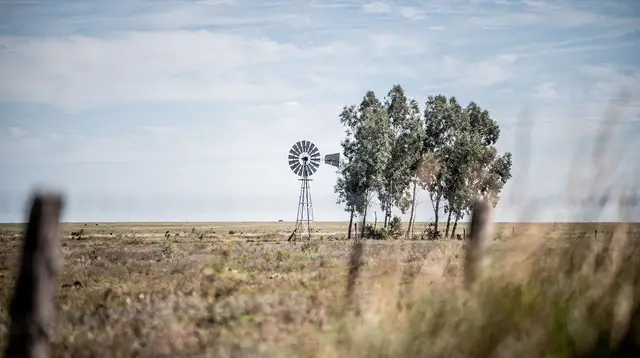
Summer is also, not coincidentally, when the estancia day trips out onto the pampas feel best — open country, horses, an asado under some shade, none of the closeness of the city. If that’s the kind of day you want, a gaucho day out on the pampas with an asado lunch is the fixed-programme version I’d point a first-timer toward, and the day trips hub has the wider set of options if you want to compare.
January is quieter than you’d expect
Here’s the thing I think trips people up most when they picture a capital city in high summer: a meaningful slice of Buenos Aires effectively goes on holiday in January. It’s the porteño summer break, and plenty of people head to the coast or elsewhere for part of the month. The practical effect is that some neighbourhood restaurants, smaller shops and even a few cultural spaces close for a stretch or run reduced hours, particularly outside the most touristed strips.
The big sights, the tourist-facing restaurants and the main shopping streets stay open and busy — if you want a structured browse through the latter, a guided shopping walk through the city’s main retail streets is a straightforward way to do it without hunting for what’s actually open. But a corner parrilla that’s reliably full in October can be shuttered for two weeks in January, and I’ve learned to treat “closed today” signs in that month as routine rather than alarming.
This isn’t unique to Buenos Aires — plenty of capitals empty out a little when their own residents travel — but it’s worth knowing before you build a January itinerary around a specific small restaurant or shop you read about somewhere else. I go into which specific dates tend to be quietest on the dedicated January page.
Where this fits with the rest of the season
If you’re weighing summer against the shoulder seasons, it’s worth knowing the city also has a very different, much-photographed personality just before summer starts: the jacaranda trees flowering purple through late October and into November. That’s spring, not summer, and it’s a genuinely different mood — cooler, drier, and visually spectacular in a way summer isn’t. I wouldn’t call one season better than the other; I’d call them different trips.
What I’d actually plan around, if I were coming in December, January or February, is the heat as a daily-rhythm question rather than a reason to avoid the trip. Front-load the walking, protect the middle of the day, keep a pool or a river afternoon in reserve, and expect a slower, more outdoor-facing city than the one you’d find in April.
For the specifics of any single month — exact quiet weeks, particular events, what’s different at the start of December versus the end of February — that’s what the three monthly pages are for; this one is just the shape that ties them together. For safety notes that apply across the whole year, including summer’s crowded parks and riverside paths, I’d also point you to the safety guide before you go.
Seasonal Guide
Verified deep-linked GetYourGuide tours. Book through these links and we earn a small commission at no cost to you.
GetYourGuide does not provide a product photo for this activity — the image shows the meeting point, photographed by us.