Buenos Aires in February: Late Summer, Slowly Waking Up
What is Buenos Aires like in February?
February is the tail end of the austral summer: still hot and humid, but with porteños gradually returning from holiday through the month, so the city feels noticeably livelier by the last week than it did in January. It's also the month when Argentina's own Carnival tradition is talked about, though dates vary each year and Buenos Aires is not the country's main stage for it.
I keep coming back to Buenos Aires in February because it sits in an odd, useful gap: still summer, but not the summer I met in January. That first year I planned a trip for early February expecting the ghost town I’d read about — shuttered corner restaurants, half-empty Palermo streets, a city on pause. Some of that was still true in the first two weeks. By the last few days of the month, it wasn’t, and figuring out that shift is really what this whole piece is about.
The city arriving back from holiday
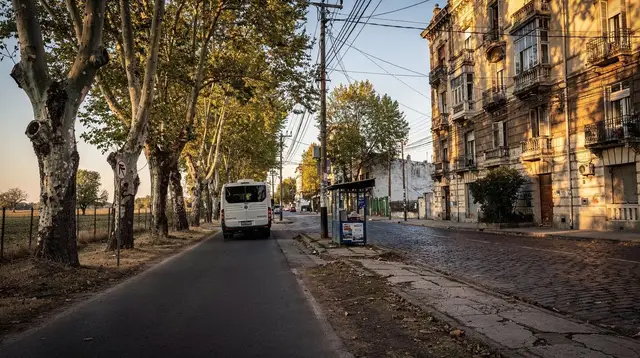
Buenos Aires in January belongs to visitors more than to residents. A huge number of porteños leave for the coast, for Uruguay, for family further inland, and the city runs at a noticeably lower hum — quieter San Telmo corners, easier restaurant tables, less traffic. February doesn’t flip that switch overnight, but it starts undoing it. Week by week, more shutters go up in the mornings, more regulars reappear at the corner café, and by the final stretch of the month the city has largely reassembled itself before the traditional March return-to-school-and-work rush.
If you’re there in the first half of February, expect something close to the January mood: hot, unhurried, a little sparse in spots. If you’re there in the last week, expect a city that already feels like itself again, just still wearing summer clothes. I’ve done both, and they’re genuinely different trips wrapped in the same month.
If you’re weighing February against the month on either side of it, I’ve written up both: Buenos Aires in January covers the quieter, more deserted version of this same summer, and Buenos Aires in March is where the city fully snaps back into its working rhythm. February sits between the two, and which half of it you land in matters more than the month name on the calendar.
Heat, humidity, and how I actually plan around it
I’m not going to hand you a temperature, because whatever number I wrote here would be stale within a season and Buenos Aires’ own weather has been erratic enough in recent years that I’d rather you check a live forecast than trust a sentence I typed in September. What I will say is that February sits squarely in the hot, humid stretch of the austral summer, and the practical planning follows from that rather than from any specific degree count.
What works for me: mornings outdoors, an indoor or shaded stretch through the worst of the midday hours, and evenings back outside once the light softens. The Costanera Sur reserve is a good early-morning or late-afternoon walk and a bad midday one — there’s no shade and nothing to buy along most of the circuit, a detail that catches people out.
Puerto Madero’s wide, shaded-in-parts riverfront is more forgiving at midday, and I’ve got a fuller walking route through the neighbourhood if you want to turn that stretch into more than a stroll between lunch and the hotel. And I’ve learned to treat siesta-hour café stops as part of the itinerary, not a concession to weakness.
For a first trip built around this kind of pacing, I’d still start from the same skeleton I recommend for any season — see three days for a first-time visit — and just stretch the midday gaps wider than the itinerary assumes.
Carnival — the fact, and the correction I keep making
Every February someone tells me they’re planning their Buenos Aires trip “around Carnival,” picturing something like Rio. That’s the correction I make most often on this page, so let me make it plainly: Argentina does have its own Carnival tradition, but it isn’t the same event, on the same scale, as Brazil’s. Rio’s Carnival is a colossal, internationally choreographed spectacle built around dedicated parade stadiums and competing samba schools. Argentina’s Carnival is a real, locally rooted celebration, but it’s smaller, more regional, and it doesn’t automatically translate into a headline event inside Buenos Aires city itself.
I also won’t give you a date. Carnival dates move from year to year and vary by location, and I’ve seen enough outdated blog posts confidently announce “the last weekend of February” only to be wrong for that particular year. If a Carnival celebration would shape your trip, check the current year’s official municipal calendar before you book anything around it — don’t build a schedule on a date I can’t verify from here.
What I actually do with a February week
With the heat as a constant, I lean into things that either suit hot weather or happen indoors. A river escape to Tigre is my standard move — the delta stays several degrees more comfortable on the water than the city does on pavement, and a slow lancha ride through the wooded channels is one of the better ways to spend a hot afternoon. I’ve booked the Tigre delta outing with brunch and a guided visit more than once for exactly this reason — it does the planning and the boat logistics for you.
Evenings are when Buenos Aires properly comes alive in February, heat or no heat, and a tango show is the classic way in. I’m partial to the Rojo Tango show for a polished first tango night, with dinner built around a late Argentine schedule rather than fighting against it. For something further out, a day at a countryside estancia — the gaucho day experience with an asado barbecue among them — trades city heat for open pampas air, horses, and a long, unhurried lunch that suits the season’s slower rhythm.
If you have a spare day and want a change of country rather than just a change of neighbourhood, the Montevideo day trip with lunch and the ferry crossing is worth the early start — different currency, different pace, and a river crossing that’s genuinely pleasant once the morning heat lifts. If you’d rather go further inland instead, the pampas make a good counterpoint to the river days; my comparison of estancia tours is where I’d start before picking one.
A hot February evening is also a reasonable time to finally book the tango night you’ve been putting off. If budget rather than polish is the deciding factor, I’ve laid out the cheaper tango show options separately from the pricier dinner-and-show packages.
Neighbourhoods, food, and the late-summer table
Recoleta keeps its rhythm through February regardless of who’s on holiday — the cemetery, the cafés, the grand apartment blocks don’t take a summer break, and if you haven’t been through the cemetery itself yet, the heat doesn’t really change the experience since most of it is walked in open air early or late in the day anyway.
San Telmo is a better read on the city’s actual mood: quieter and more subdued early in the month, filling back in with regulars and its usual antique-market energy as February wears on. I try to time a San Telmo evening for the last week of the month specifically to catch that shift, and if your visit lines up with a Sunday, the San Telmo Sunday market is worth building the whole day around regardless of which half of February you’re in.
Meals still run late, as they do all year, and February’s heat only reinforces the habit — nobody wants a heavy parrilla lunch at 1pm in this weather. I push my own asado dinners toward 9:30 or later, when the temperature has actually dropped, and treat lunch as the lighter, quieter meal it’s meant to be here. Dulce de leche and iced coffee become a genuinely sensible combination by mid-afternoon, which says something about the month.
A few practical notes before you go
None of the currency, entry-requirement or safety basics change because it’s February rather than any other month, so I won’t repeat the full rundown here — check the site’s general Buenos Aires guides for those. What does change with the season is pace: build in more downtime than you would for a cooler month, don’t schedule back-to-back walking tours through the early afternoon, and keep water on you everywhere, including on the Costanera Sur walk and any open-air estancia activity. If a possible Carnival celebration is part of your plan, treat it as a bonus to confirm on arrival, not a fixed line in your itinerary.
Frequently asked questions about visiting Buenos Aires in February
Is February a good time to visit Buenos Aires?
It can be, if you like a hot, quiet city that gets a bit livelier as the month goes on. It’s not the moment for brisk sightseeing days, but restaurants, tango houses and river trips all run normally, and late February has more energy than January.
Is Buenos Aires empty in February like it is in January?
Less so. Many porteños take their main holiday in January and start trickling back through February, especially after mid-month, so the last couple of weeks feel closer to a normal working city than the dead calm of January.
Does Buenos Aires have a Carnival?
Argentina has its own Carnival tradition, with dates that move from year to year and vary by city, so I’d never promise a fixed weekend here. Check the official municipal or national calendar for the current year before planning around it.
Is the Buenos Aires Carnival the same as Rio’s?
No, and it’s worth separating the two clearly. Rio’s Carnival is a huge, internationally famous spectacle built around samba schools and parade stadiums; Argentina’s Carnival tradition is real but far smaller in scale and not a guaranteed headline event in the capital itself.
How hot is Buenos Aires in February?
I won’t put a number on it, because conditions shift year to year, but it’s consistent with the rest of the austral summer: hot, humid, and best handled with an unhurried pace, shade in the middle of the day, and plenty of water.
What should I pack for Buenos Aires in February?
Light, breathable clothing, comfortable shoes for uneven pavement, a hat, and something to throw on for air-conditioned restaurants and the Subte, which can feel chilly by contrast. An umbrella is worth having for the occasional summer downpour.
Are museums and attractions open as normal in February?
Yes, though some smaller family businesses and a handful of restaurants still take their own late-summer break, a habit left over from when the whole city emptied out in January. Confirm opening hours for anything you’re set on, especially early in the month.
Seasonal Guide
Verified deep-linked GetYourGuide tours. Book through these links and we earn a small commission at no cost to you.
GetYourGuide does not provide a product photo for this activity — the image shows the meeting point, photographed by us.