Buenos Aires in March: My Favourite Month to Walk the City
Is March a good time to visit Buenos Aires?
Yes. March is the start of the southern autumn, so the worst of the summer heat and humidity has usually broken by then, evenings start to feel fresher, and the city's cultural calendar — theatre, galleries, restaurant terraces — comes back to life after the January-February lull. It's one of the most comfortable months for walking the barrios.
Every year I tell people the same thing: if you can only choose one month, choose March. Not July, when everyone assumes “winter” means quiet and mild, and not January, which is when half of Buenos Aires actually leaves. March is the month I keep coming back to, and it took me a couple of visits at other times of year to understand why.
Why I stopped recommending the summer months
The first time I based a trip around “summer,” I did what a lot of first-time visitors do and assumed December to February would be the obvious pick — sun, long days, the city photographed at its brightest. What I got instead was heavy, sticky air that made walking between Palermo and Recoleta feel like a chore by early afternoon, and a city that was, frankly, half-empty. January in particular is when a lot of porteños close up and head to the coast or the hills for their own holidays, and you can feel it: some restaurants shortening their hours, a stillness in neighbourhoods that are usually buzzing.
March is the opposite experience. It’s the first proper month of the southern autumn, and by the time it arrives, the worst of the summer’s heat and humidity has usually broken. Days are still warm and often genuinely pleasant, but the air feels lighter, easier to walk in, easier to enjoy a coffee outside in. I want to be careful here and not hand you a number, because Buenos Aires’s weather is changeable enough from one week to the next that any single temperature I quote would be more misleading than useful — what I can tell you honestly is that it trends milder and drier than what came before, and that’s the part that matters for how a day on foot actually feels.
The seasons run backwards here — and that trips people up
This is worth saying plainly, because I’ve watched visitors build their whole packing list around the wrong assumption: Buenos Aires sits in the southern hemisphere, so its seasons are the mirror image of Europe’s and North America’s. March here is not the first breath of spring the way it is in Paris or New York — it’s the first month of autumn. Summer runs December through February, winter is June through August, and March, April and May are the season locals call otoño. If you’re used to March meaning crocuses and lengthening evenings, recalibrate: here it means the reverse, a gentle turning away from summer toward cooler months, not toward them.
What the city feels like once the heat lifts
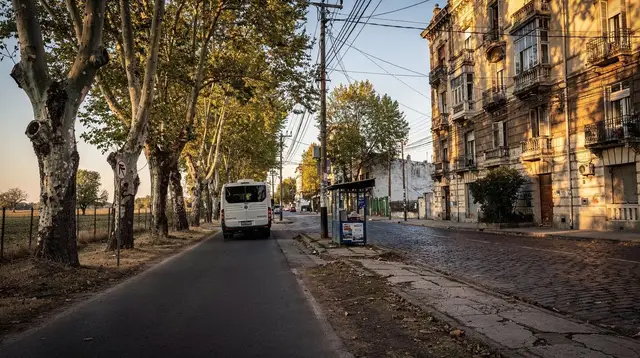
What I notice most in March isn’t a single dramatic shift, it’s a string of small ones. The evenings start to carry a little more of an edge to them — nothing sharp, just a freshness that wasn’t there in February, the kind that has you reaching for a light layer once the sun goes down rather than sitting out in a t-shirt until midnight. Terraces in San Telmo and along the Costanera Sur stop being places you retreat from the heat and start being places you actually want to linger. I’ve spent whole late afternoons walking the reserve’s paths in March in a way I wouldn’t attempt in the thick of January.
The bigger shift is cultural, not meteorological. Argentines come back from their summer holidays in March, and the city visibly resets. Theatre seasons and gallery openings start up again, the Teatro Colón returns to a full calendar, and restaurants that had been running on skeleton hours go back to normal service. It’s the month Buenos Aires stops feeling like it’s on a break and starts feeling like itself again — dense, opinionated, full of people meeting friends over a late dinner.
I’ll flag one thing March is not: it isn’t jacaranda season. Those purple-flowering trees that everyone photographs around the city bloom later, from the end of October into November, so don’t come in March expecting that particular spectacle — it belongs to spring, not autumn, and I’ve had readers confuse the two seasons enough times that it’s worth saying directly.
How I’d spend a March week
Because the humidity has eased, this is a month I lean into walking more than I would in summer — long loops through Palermo Soho and Hollywood, a slow afternoon through San Telmo’s antique streets, a wander along the docks at Puerto Madero. It’s also a good window for day trips that involve being outdoors for hours at a stretch without summer’s heat working against you.
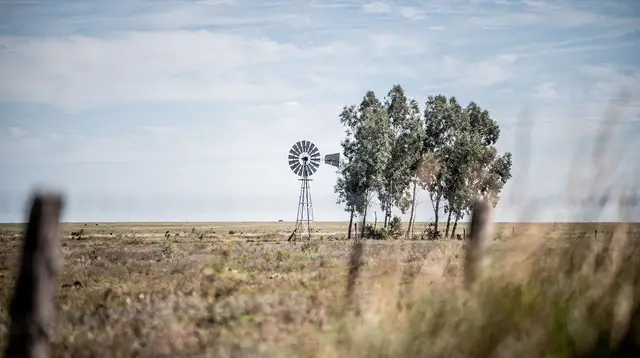
My own March itinerary usually has one day out at an estancia — horses, an asado lunch, a folk display in the pampas air that’s noticeably more comfortable than it would be in January. If you want the shortcut version of that day rather than planning it yourself, I book through a guided gaucho day out with an asado lunch included, and it’s consistently been one of my favourite days outside the city in any season.
I also try to fit in a morning on the water. The Paraná Delta is a different, calmer place once the summer crowds thin out, and a boat trip through the islands feels less like an escape from heat and more like a genuinely relaxed morning. I’ve used a brunch-and-boat morning out to Tigre and the delta more than once, and March is exactly the kind of month where sitting on deck for an hour is a pleasure rather than an endurance test.
If you have a full extra day to spare, this is also a comfortable month to cross the river. I’d rather do a border crossing without summer humidity pressing down on me, and a day trip across to Montevideo with lunch and the ferry included is an easy way to see a second country without having to plan the logistics yourself.
A few practical notes for the month
Bring layers rather than a single wardrobe strategy. Days can still run warm, especially early in the month, but evenings are where the change shows up first — I keep a light jacket in my bag from March onward, which I wouldn’t have bothered with in January. Restaurants are back to their normal late rhythm too: don’t expect a dinner table to fill before nine, March or not, that’s a year-round porteño habit, not a seasonal one.
For planning the rest of your trip, I’d read through a broader look at when to visit Buenos Aires if you’re still choosing dates, or a three-day first-timer’s itinerary if March is when you’ve settled on. I’ve also written up February and April separately if you’re weighing the shoulder months against each other, and a longer piece on jacaranda season if that purple bloom is actually what you’re chasing — just know it means waiting for spring, not visiting in March.
Whatever else changes on my future trips, March has become the month I protect. It’s not the loudest time to visit and it doesn’t photograph the way jacaranda season does, but for actually living in the city for a week — walking it, eating on its terraces, catching a show at the Colón — I haven’t found a better one. For general things to do in autumn and a longer read on asado and the city’s grill culture, those are the two guides I’d pair with this one before you go.
Buenos Aires in March: frequently asked questions
Is March autumn or spring in Buenos Aires?
Autumn. Buenos Aires is in the southern hemisphere, so the seasons run opposite to Europe and North America — March, April and May are autumn here, not the start of spring.
Is it hot in Buenos Aires in March?
It’s warm rather than hot most days, and noticeably less humid than January or February. It’s a comfortable month for walking, though conditions do vary year to year, so it’s worth checking a short-range forecast close to your trip.
Are Buenos Aires’s restaurants and porteños back from holiday in March?
Yes. Many locals take their main holiday in January, and parts of Palermo and the Microcentro feel noticeably quieter that month. By March the city is back at full pace: restaurants, theatres and offices are all running a normal schedule.
Do I need a jacket in Buenos Aires in March?
A light layer for the evening is worth packing. Days stay mild, but nights start to cool off gently as the month goes on, especially compared with the warmer, muggier nights of high summer.
Is March a good month for day trips from Buenos Aires?
Yes — the milder, less humid air makes it a pleasant month for a day on the water in the Paraná Delta, a day on horseback at an estancia, or a ferry crossing to Uruguay, all without the summer heat working against you.
Is March busy with tourists in Buenos Aires?
It’s moderate. March sits between the summer season, when many Argentines travel domestically, and the cooler winter months, so the city feels lively without the crowding of peak summer weeks.
Seasonal Guide
Verified deep-linked GetYourGuide tours. Book through these links and we earn a small commission at no cost to you.
GetYourGuide does not provide a product photo for this activity — the image shows the meeting point, photographed by us.