Estancia Tours Compared: Which Format Fits Your Trip
What is the difference between estancia tour formats near Buenos Aires?
Estancia tours vary mainly by transport included or not, total duration (half day versus full day), and activity mix (asado lunch, horse riding, doma displays). A full-day tour with transport from the city suits first-time visitors, while independent travel to San Antonio de Areco suits those who want to explore the town itself.
Reading an estancia tour listing before you book
Search “estancia tour Buenos Aires” and dozens of near-identical listings appear, all promising asado, horses and gauchos. The differences that actually matter to your day are less visible: whether transport from the city is included, how many hours you spend on the road versus at the ranch, whether the riding is a token walk around a paddock or a proper guided ride, and whether the estancia itself is a working cattle ranch or a property run mainly as an event venue. This guide sets those variables side by side so you can match a tour to what you actually want from the day, rather than to whichever result ranks first.
There is no single “best” estancia tour. The right pick depends on three things: your budget, how much of the day you’re willing to spend travelling, and how much you actually care about horses versus simply wanting a relaxed countryside afternoon with good food. A rider chasing a real gallop across open pampa wants a different tour from someone who wants lunch, a folk show and a photogenic afternoon without ever getting on a horse.
For a broader look at the format before narrowing down, the estancia day trip from Buenos Aires guide covers the same ground from a first-timer’s perspective, and the gaucho show and asado estancia guide goes deeper on the folk-show and doma side of the programme.
The two broad tour types
Estancia visits near Buenos Aires split into two families, and confusing them is the most common source of disappointment.
Event-style estancias, often closer to the city (commonly within 60–90 minutes’ drive), run polished, scheduled programmes for groups: asado lunch, a folk music and dance show, a doma (horse-breaking skill) display, and a short ride or carriage tour. These properties host tour groups daily or most weekends and are built for a smooth, predictable visitor experience rather than for showing a working ranch’s actual routine.
Working-ranch estancias, more often found around San Antonio de Areco, still run cattle and horses as a business, and a visit feels closer to being a guest on a real property, sometimes with a smaller group and a more informal, less choreographed programme. These trips typically run longer because the ranch itself sits further from the city, and the riding is more likely to involve actual paddocks and open country rather than a fenced show ring.
Neither is objectively better. The event-style estancia suits a traveller who wants a guaranteed, well-produced afternoon with minimal risk of anything running long or short. The working-ranch estancia suits a traveller who values authenticity over polish and doesn’t mind a longer bus ride each way.
Comparing the tour formats
| Format | Typical duration | Transport | Best for |
|---|---|---|---|
| Full-day tour with transport from BA | 9–11 hours door to door | Included, round-trip coach | First-time visitors, no rental car |
| Half-day / event-estancia tour | 6–8 hours | Usually included | Time-limited visitors, shorter attention for riding |
| Self-guided to San Antonio de Areco + separate estancia entry | Full day, flexible | Bus (not included), self-arranged | Independent travellers who also want the town itself |
| San Antonio de Areco day tour from the city | 8–10 hours | Included | Travellers who want the town AND a ranch taste in one day |
Prices for estancia day tours from Buenos Aires vary by season, group size and whether lunch and drinks are included; treat any figure as a snapshot rather than a fixed rate, and check the current price and inclusions on the booking page before comparing options.
Duration: what “full day” actually means
A full-day estancia tour with transport is rarely a full eight-hour experience at the ranch itself. Because most estancias worth visiting sit somewhere between 90 minutes and two hours from central Buenos Aires by road, a 9-to-11-hour day typically breaks down as roughly three to four hours of driving (both directions combined), a midday asado lunch of an hour or more, and an afternoon block of three to five hours for riding, the doma display and free time on the grounds. Read the “estimated finish time” line on any listing carefully: an early-morning pickup with a late-afternoon return is normal, and travellers with an evening flight or a Teatro Colón booking that night should build in a buffer.
Half-day or shorter event-estancia programmes compress the same elements into less time, generally by shortening the riding and free-time portions rather than the lunch. These suit visitors who have another commitment that day, or families with children whose attention for an all-day programme is limited.
Transport included or not
Most estancias, whether event-style or working-ranch, have no practical public transport connection, so almost every tour packages a round-trip coach or minibus from a central Buenos Aires pickup point. This is the format most visitors should default to unless they have a specific reason not to.
The exception is San Antonio de Areco itself, which is connected to Buenos Aires by regular long-distance bus, independent of any estancia package. A traveller who wants to see the town’s silverwork workshops, its museum and its colonial-era streets at their own pace, and only afterwards arrange entry to a nearby estancia separately, can do the whole day without a packaged tour.
This costs more planning time and generally more total time on the road, but it removes the fixed schedule of a group tour and allows a longer, unhurried look at the town, which the packaged day trips usually treat as a brief stop, if they stop there at all. For a deeper look at the town on its own terms, see the San Antonio de Areco day trip guide.
Activities: what’s actually included
Nearly every estancia day programme includes some version of the same core: an asado lunch, a folk music or dance element, a doma display, and either a horse ride or a horse-drawn carriage ride. Where tours genuinely differ is in depth and choice.
Riding. Some programmes offer only a short, led walk around a paddock, appropriate for complete beginners and children but not much of a “ride” for anyone with riding experience. Others offer a longer guided ride out into open country, sometimes with a faster pace for confident riders. If riding is the main reason you’re booking, check the listing’s description of the ride itself, not just whether “horseback riding” appears as a bullet point, and message the operator if it isn’t specified.
Travellers for whom the ride itself is the point, rather than a side activity within a broader programme, should compare this format against a dedicated horseback riding at an estancia booking, which puts the riding first rather than folding it into a fixed lunch-and-show schedule:
a horseback riding tour at Estancia La Bamba de Areco is built around the ride itself rather than a full asado-and-show programme, and suits riders who want more time in the saddle than a standard event-estancia day allows.
Doma. This gaucho horse-skill display is close to universal on estancia programmes and is usually included at no extra charge, timed for the afternoon after lunch.
Lunch. The asado is the anchor of nearly every estancia visit: grilled beef and other cuts, often preceded by empanadas, generally served with wine, in a communal rather than à-la-carte format. Vegetarian options exist at most properties but are worth confirming ahead if needed, since the format assumes a meat-centred meal by default.
Free time and grounds. Event-estancias built for tour groups usually schedule free time to walk the grounds, visit the main house or browse a small craft stall; working ranches may offer less formal free time but more chance to simply be on a real, working property.
Choosing by what you actually value
If your priority is a guaranteed, well-organised day with no logistics to manage, a full-day tour with transport from an event-style estancia is the safer choice, and it remains the most heavily booked format for good reason: it removes every variable except the weather.
If your priority is horse riding specifically, look past the word “estancia” in the title and read the riding description directly; some of the highest-rated event tours still offer only a brief lead-rein walk, while some working-ranch programmes offer a proper guided ride.
If your priority is budget, comparing a self-guided bus trip to San Antonio de Areco (bus fare plus separately arranged estancia or town-only entry) against a packaged tour is worth the extra planning time, since the packaged price bundles transport, lunch and activities that a self-guided visitor may not want or need all of.
If your priority is time, a half-day or event-estancia programme closer to the city returns you to Buenos Aires earlier, at some cost to the sense of being on an open, working landscape.
None of these is the “correct” choice in the abstract. A tour that delights a family with young children looking for a relaxed, photogenic afternoon may frustrate an experienced rider hoping for a real gallop, and the reverse is just as true.
Combining an estancia visit with other pampas stops
Travellers with more time sometimes pair an estancia day with a stop at the pilgrimage basilica of Luján or the planned provincial capital of La Plata, both roughly on the same axis west and south-east of the city respectively, though rarely on the same single day as a full estancia programme given the distances involved. Those wanting the gaucho tradition in its deepest form, including silverwork and criollo craft rather than a single afternoon’s display, are better served by spending a full day, or overnight, in San Antonio de Areco itself, whose Fiesta de la Tradición in November is the region’s principal gaucho festival.
Related guides and itineraries
If you’re still deciding whether to book a packaged tour at all, the San Antonio de Areco day trip guide walks through the independent, self-guided route to the town in more detail than the comparison above, including what to do once you’re there beyond the estancia stop. For the asado itself, whether eaten at an estancia or in the city, the asado and parrilla guide explains the cuts, the cooking method and how to order at a city parrilla for comparison.
Travellers building a full itinerary rather than a single day can slot an estancia visit into the one-day estancia and pampas plan, or extend it into the two-day San Antonio de Areco gaucho weekend for an overnight in the town itself rather than a same-day return. Those also weighing Luján and La Plata against an estancia day, rather than picking one, may prefer the three-day Luján, La Plata and pampas itinerary, which spaces the three out across a longer stay instead of trying to combine them in a single afternoon.
Booking an estancia day
a private full-day estancia tour with transport included suits travellers who want a smaller group and more flexibility within the standard programme, generally at a higher price than a shared coach tour.
a shared full-day tour to an event-style estancia with asado, folk show and doma display is the most heavily booked format and the safest default for a first estancia visit.
a day tour to San Antonio de Areco from Buenos Aires suits travellers who want to combine the gaucho town itself with a shorter ranch element, rather than spending the whole day at a single property.
Practical notes before booking
Confirm what’s included in the listed price: some operators list drinks beyond the included wine, or the doma display, as optional extras rather than standard inclusions. Check the pickup point and time against your accommodation in Palermo, Recoleta or the Microcentro, since pickup zones and times vary by operator and some require reaching a central meeting point rather than offering hotel pickup everywhere.
Dress for the season: summer estancia visits (December to February) call for sun protection and light clothing given the exposed grounds and midday lunch outdoors, while winter visits (June to August) are cool and sometimes damp, and riding jackets or layers are worth packing since ranch buildings are not always heated to city standards. Comfortable closed shoes suit the grounds regardless of season, and riders with their own preferred boots may want to bring them, since rental sizing at estancias is not always extensive.
Read the cancellation and weather policy before paying: an outdoor-heavy day is more exposed to rain disruption than a city tour, and operators vary in whether they reschedule or refund a washed-out doma display or ride.
FAQ: choosing an estancia tour
Is a full-day estancia tour with transport worth the extra cost over a self-guided visit?
For most first-time visitors, yes, because it removes the logistics of reaching a working ranch that has no public transport link, and it bundles lunch and activities into one fixed price. Travellers on a tight budget or who already plan to see San Antonio de Areco independently may prefer arranging entry separately.
How long does a typical estancia day trip from Buenos Aires last?
Most operators run roughly nine to eleven hours door to door, including about one and a half to two hours of driving each way, a midday asado lunch, and an afternoon programme of riding or a doma display before the return transfer.
Do all estancia tours include horse riding?
Most include at least a short horse ride or a horse-drawn carriage option, but the length and skill level assumed vary by operator. Riders who want a longer, guided ride should check the itinerary rather than assume it from the tour title.
Can I visit San Antonio de Areco without an estancia tour?
Yes. Regular buses run from Buenos Aires to the town independently of any estancia package, and the town itself, its silverwork workshops and its museums can be seen on foot without booking a ranch visit at all.
What does a typical estancia lunch involve?
An asado-style lunch of grilled beef and other cuts, usually with empanadas to start and wine included, served communally rather than as an individual restaurant order.
Is an estancia day trip suitable for non-riders or young children?
Yes, most programmes are built around the lunch, grounds and folk displays as much as the riding, and offer a short pony ride or carriage ride as an alternative to a full horseback outing, though it is worth confirming this with the specific operator before booking.
Which is the better base for gaucho culture, an estancia day tour or San Antonio de Areco itself?
It depends on the goal: an estancia tour concentrates the working-ranch experience (asado, riding, doma) into a single afternoon, while San Antonio de Areco gives a slower, walkable town with silverwork workshops and its own museum, better suited to travellers who prefer independent exploring over a fixed programme.
Tour Comparisons
Verified deep-linked GetYourGuide tours. Book through these links and we earn a small commission at no cost to you.
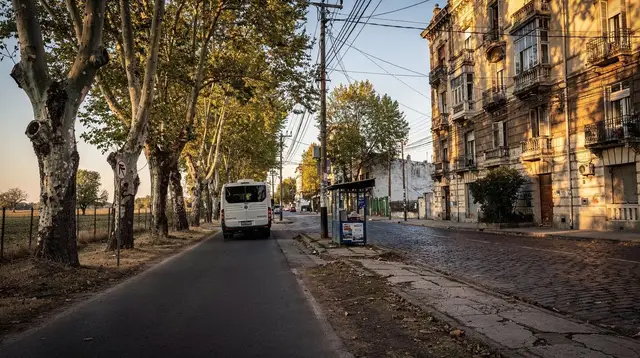
GetYourGuide does not provide a product photo for this activity — the image shows the meeting point, photographed by us.