Two Days in San Antonio de Areco: Gaucho Country at Its Own Pace
Is two days in San Antonio de Areco worth it, or is a day trip enough?
A day trip from Buenos Aires covers the town's museum and silversmith workshops but rushes them. Two days lets you walk the colonial centre at your own pace on day one and, on day two, take a horseback outing or estancia visit if your chosen lodging offers one — that second layer is what a bus day trip cannot fit in.
San Antonio de Areco sits roughly an hour and a half by road from Buenos Aires, in the flat cattle country of the pampas, and it is the reference town for gaucho tradition in Argentina — the silverwork, the leather craft, the horse culture that day-trip buses from the capital only skim. Most visitors see it as a single long day: bus out, museum, lunch, silversmith, bus back. Staying two nights instead changes what the town gives you.
The first day is unhurried and entirely on foot — the gaucho museum, the silversmiths’ workshops, the colonial streets around the plaza and the old bridge over the Río Areco. The second day is where things vary: whether it includes a horseback outing or a full estancia visit depends entirely on where you sleep, because that activity is arranged through the lodging, not guaranteed by the town itself.
This is a plan for someone without a car. San Antonio de Areco is reachable by long-distance bus from Buenos Aires’s Retiro terminal, and once there, the historic centre, the museum and most of the silversmith workshops are all within easy walking distance of each other and of the town’s guesthouses.
Why two days changes the visit
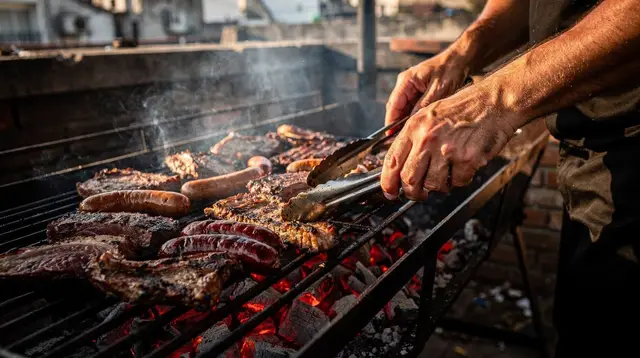
A day trip to San Antonio de Areco, whether self-organised or on a guided outing such as the private day tour to an Argentinian estancia, typically bundles the town and a countryside estancia programme into a single long day: transfer out, an asado lunch, a horse or carriage session, a folk display, and the drive back before dark.
For a sense of how the standard version runs, see the San Antonio de Areco day trip guide. That works well if the countryside afternoon is what you came for. It leaves very little time for the town itself — the museum closes on its own schedule, the silversmiths’ workshops reward a slow browse rather than a fifteen-minute stop, and the plaza and riverside streets are worth walking without a coach idling nearby.
Splitting the visit into two days lets each half breathe. Day one belongs to the town: on foot, no transfers to catch, no group pace to keep. Day two is the countryside layer, and here the honest picture matters — some guesthouses in and around San Antonio de Areco include a horseback outing or a half-day estancia programme as part of the stay, others can arrange one locally for an extra charge, and some offer neither.
This page does not promise a horseback immersion as standard; check what your specific lodging includes before you book, and if it includes nothing, a separately booked estancia day such as the private estancia day tour is the fallback that fills the gap. Riders comparing their options ahead of time should read the estancia day trip from Buenos Aires and horseback riding at an estancia guides before booking a stay.
Getting there without a car
Long-distance buses (micros de larga distancia) run from Retiro terminal in Buenos Aires to San Antonio de Areco in roughly an hour and a half to two hours, depending on the service and traffic leaving the city. Several companies cover the route multiple times a day, and tickets can be bought at the terminal or in advance online. If you need to get across the city to Retiro first, the taxis, remises and rideshare guide covers the options.
Once you arrive, the town itself is compact: the bus terminal, the historic centre around Plaza Ruiz de Arellano, the museum and the main silversmith workshops sit within a fifteen- to twenty-minute walk of one another, so the two-day plan below needs no local car hire, taxi budget or remise beyond the odd short hop to a guesthouse on the edge of town.
Day 1: The town on foot
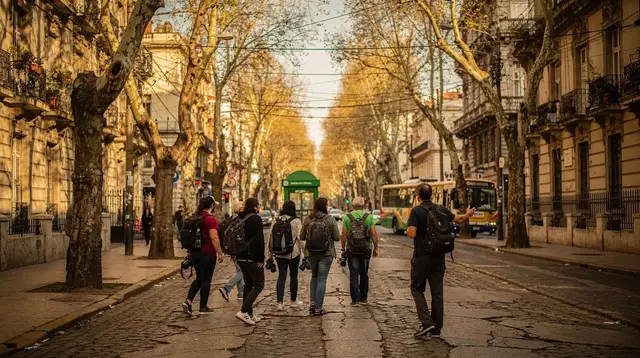
Morning — arrival and the historic centre. Take a mid-morning bus from Retiro so you arrive with the whole afternoon ahead. Check into your guesthouse, then head to Plaza Ruiz de Arellano, the town’s colonial-era heart, framed by low whitewashed buildings, the parish church and the old post house. Walk the surrounding streets at an unhurried pace — this is a town built around a single-storey, nineteenth-century scale, and its charm is in the details: iron gates, cobbled corners, the odd pulpería-style shopfront.
Midday — the gaucho museum. The Museo Gauchesco Ricardo Güiraldes, set in parkland on the edge of town, is the town’s anchor sight: a recreated pulpería (general store and tavern), period rooms, and exhibits on gaucho horsemanship, dress and the silverwork tradition that grew up around it. Give it a proper hour or more rather than a quick pass-through — it is the clearest introduction to why this particular town, rather than any other pampas settlement, became the reference point for gaucho culture.
Afternoon — silversmith workshops. San Antonio de Areco is Argentina’s centre for platería criolla, gaucho silverwork — belts, knives (facones), stirrups and mate sets worked in silver with the same techniques used for generations. Several working platerías in the centre welcome visitors to watch the craft and buy directly from the maker. Budget the afternoon for two or three workshops rather than one; prices and styles vary enough that comparing is worth the time, and the pieces are heirloom-quality rather than souvenir-grade.
Early evening — the río and the old bridge. Close the day with a walk down to the Río Areco and the town’s nineteenth-century bridge, a quiet, unhurried spot as the light goes gold. Dinner in town runs on Argentine hours — few places serve before 20:00 — so an evening stroll before a late meal fits the local rhythm rather than fighting it.
| Day 1 activity | Approximate time needed |
|---|---|
| Plaza and historic centre walk | 1 hour |
| Museo Gauchesco Ricardo Güiraldes | 1.5–2 hours |
| Silversmith workshops (2–3 stops) | 2–3 hours |
| Río Areco and old bridge | 30–45 minutes |
Day 2: What your lodging actually offers
This is the day that depends on where you booked. Some estancias and countryside guesthouses around San Antonio de Areco build a horseback outing or a half-day gaucho programme — riding, a doma display, sometimes an asado lunch — directly into the stay. Others are simple town guesthouses with no countryside activity attached, and a few can arrange a local outing on request, usually at extra cost. Confirm this with your specific lodging before travelling, rather than assuming it is included — it is the single most common source of disappointment for visitors who arrive expecting a horse waiting for them.
If your lodging does include a countryside programme, day two typically runs: a transfer a short distance out of town to the estancia grounds, a briefing and saddling up for riders of appropriate experience (carriage rides are usually offered as an alternative for those who prefer not to ride), a couple of hours in the saddle or on the trail, and often a folk or doma display back at the homestead before lunch.
If your lodging does not include one, two reasonable options remain. The simpler is to spend a second, slower morning in the town — the silversmiths reward a second visit, and San Antonio de Areco’s Fiesta de la Tradición, the town’s major gaucho festival with parades, riding displays and folk music, falls in November and is worth timing a visit around if your dates allow.
The other is to book a separate estancia day, such as the private day tour to an Argentinian estancia or the Gaucho Day Tour at Don Silvano Estancia from Buenos Aires, which brings the asado-and-horses programme to you on a fixed schedule even if your own accommodation does not offer it. The gaucho show and asado estancia guide compares what these fixed-schedule days typically include.
Return to Buenos Aires by long-distance bus from the same terminal, timed for either a late-afternoon or evening arrival back at Retiro.
Where to stay
San Antonio de Areco’s accommodation splits roughly into two kinds, and the choice shapes day two more than anything else in this plan.
| Type of stay | What it typically includes | Best for |
|---|---|---|
| In-town guesthouse (posada) | Room in or near the historic centre, walk to museum and workshops | Travellers prioritising the town itself, or on a tighter budget |
| Countryside estancia lodging | Room on working or converted estancia grounds, often with riding or a gaucho programme included | Travellers who want the horseback layer without booking it separately |
Ask directly, before booking, whether a horseback outing or estancia programme is included, available at extra cost, or not offered at all — the answer differs property by property and changes with the season. Travellers weighing an estancia-lodging stay against a day-tour version of the same activities may also want the estancia tours comparison, which sets out how a stay-in programme differs from a bus-in-bus-out excursion such as the San Antonio de Areco: Tour, Estancia, BBQ, Folklore Show.
Combining it with the wider pampas
Travellers with a third day sometimes extend this plan toward Luján, home to Argentina’s major pilgrimage basilica — covered in the Luján basilica day trip guide — or La Plata, the planned provincial capital about an hour from San Antonio de Areco in the other direction, reachable via outings like the La Plata guided city tour including cathedral and lunch or the more compact excursion to La Plata and detailed in the La Plata day trip guide.
Both are separate half-day or full-day additions rather than stops on the way to or from San Antonio de Areco, since the routes between them do not run in a straight line from the capital. Those with a full extra day to spare across the two could instead follow the three days: Luján, La Plata and the pampas itinerary, and anyone still deciding how the estancia day fits into a broader pampas trip can compare it against the shorter one day: estancia and the pampas plan.
For a full pampas-and-estancia comparison of the different ways to structure this kind of trip, see the estancia tours comparison and the gaucho show and asado estancia guide. Riders specifically weighing their options should also check the dedicated horseback riding at an estancia guide before booking a stay. For the wider question of how many days to give the capital itself before or after this trip, see how many days in Buenos Aires and the roundup of day trips from Buenos Aires.
Practical notes
- Currency: bring Argentine pesos in cash for the silversmith workshops and smaller cafés in San Antonio de Areco; card acceptance is less consistent outside Buenos Aires. Check a current exchange rate before travelling, since peso values move quickly.
- Meal times: as in Buenos Aires, dinner runs late by international standards — few restaurants open before 20:00.
- What to pack: layers for a countryside morning that can be cooler than the capital, closed shoes for riding if your lodging includes it, and cash in small denominations for workshop purchases.
- Booking ahead: both long-distance bus tickets and estancia-inclusive lodging can sell out around the November Fiesta de la Tradición and in the Argentine summer months (December–February); book earlier for those windows.
FAQ: Two days in San Antonio de Areco
Is San Antonio de Areco a day trip or worth an overnight stay?
Both work. A single day, whether independent or on a tour like the private estancia day tour, covers the town’s highlights and an estancia programme in one long outing. Staying two days separates the town (day one, on foot, unhurried) from a possible countryside layer (day two, if your lodging offers it), and suits travellers who want to browse rather than rush the silversmith workshops and museum.
Does every hotel in San Antonio de Areco include horseback riding?
No. Some countryside and estancia-style lodgings build a riding or gaucho-programme day into the stay; simple in-town guesthouses generally do not. Confirm directly with your chosen property before booking — do not assume riding is included just because the town is known for gaucho culture.
How do I get to San Antonio de Areco without a car?
Long-distance buses run from Retiro terminal in Buenos Aires to San Antonio de Areco in roughly an hour and a half to two hours. Once there, the historic centre, museum and main silversmith workshops are all within easy walking distance of each other and of most guesthouses.
What is the Museo Gauchesco Ricardo Güiraldes?
It is San Antonio de Areco’s main museum, set in parkland on the edge of town, built around a recreated pulpería (general store and tavern) and exhibits on gaucho horsemanship, dress and silverwork. It is the town’s clearest introduction to its gaucho heritage and worth an hour or more.
What is San Antonio de Areco known for making?
Platería criolla — gaucho silverwork, including belts, knives (facones), stirrups and mate sets. Several working silversmith workshops in the town centre welcome visitors to watch the craft and buy directly from the maker.
When is the Fiesta de la Tradición?
November. It is San Antonio de Areco’s major gaucho festival, with parades, riding displays and folk music, and it is worth timing a visit around if your travel dates allow — book accommodation and bus tickets early for this window.
Can I combine San Antonio de Areco with La Plata or Luján?
They are separate outings rather than stops on one route. La Plata, reachable via tours such as the La Plata guided city tour including cathedral, museum and lunch, sits in a different direction from Buenos Aires than San Antonio de Areco, so most travellers treat them as distinct day or half-day trips rather than a single loop.
Do I need cash in San Antonio de Areco?
Yes, bring Argentine pesos in cash. Card acceptance is less consistent outside Buenos Aires, and cash is the more reliable way to pay at silversmith workshops and smaller cafés in town.
tours.2 days
Verified deep-linked GetYourGuide tours. Book through these links and we earn a small commission at no cost to you.
GetYourGuide does not provide a product photo for this activity — the image shows the meeting point, photographed by us.