Luján Basilica Day Trip from Buenos Aires
How do you visit the Luján Basilica as a day trip from Buenos Aires?
Luján is about 65 km west of Buenos Aires, reachable in roughly 1 to 1.5 hours by bus, car or organised tour. Most visitors combine the basilica with the adjacent Luján Zoo or a riverside park, and treat it as a half-day to full-day outing rather than a quick stop.
Most short lists of day trips from Buenos Aires lump Luján in with La Plata as “a big church and a nice town square.” That undersells what Luján actually is. The Basilica of Luján is the national shrine of the Virgin of Luján, Argentina’s patron saint, and it is an active, working site of Catholic devotion — not a monument that happens to be religious in style.
On an ordinary Tuesday it can feel like a handsome provincial town with an oversized neo-Gothic church. On the first weekend of October, when the national youth pilgrimage brings tens of thousands of people walking through the night from Buenos Aires, it is something else entirely. Planning a Luján trip means understanding which version of the town you are likely to meet.
Why Luján is a pilgrimage town, not a sightseeing stop
The story behind the basilica explains the difference. In the late seventeenth century, a small terracotta statue of the Virgin Mary being transported by cart is said to have become immovable near the Luján river, and was taken as a sign that she wished to stay there. A shrine grew around the image, then a church, then the current basilica, consecrated in the early twentieth century in a French-influenced neo-Gothic style with twin spires that are visible from well outside town. The Virgin of Luján was declared patroness of Argentina, and the basilica has functioned continuously since as the country’s foremost site of Marian devotion.
That history is not backdrop — it shapes how the site operates today. Mass is held regularly, not as a tourist re-enactment but as parish and pilgrimage worship. Pilgrims arrive year-round, often on foot from Buenos Aires or nearby towns, sometimes as part of formally organised walking pilgrimages tied to youth groups, parishes or trade associations, each with its own date on the calendar. The image of the Virgin sits in a dedicated camarín above and behind the main altar, reached by a separate stair, and visitors will usually see a queue of people waiting to view it up close, pray, or leave a written petition — this is normal, ongoing activity, not a special event laid on for tourists.
Treating the visit as purely a sightseeing stop misses this, and it also risks bad timing. A visit planned without checking the pilgrimage calendar can land in the middle of a major event: streets closed to traffic, buses rerouted, accommodation booked out in nearby towns, and a basilica interior so full that casual visiting is not really possible. Conversely, checking that calendar and either timing a visit to witness the atmosphere, or deliberately avoiding it for a quieter look at the architecture, is the single most useful piece of planning for this trip.
Getting to Luján from Buenos Aires
Luján sits roughly 65 km west of central Buenos Aires, in Buenos Aires province, and the journey generally takes between one and one and a half hours depending on traffic and the route taken.
| Method | Approximate time | Notes |
|---|---|---|
| Long-distance bus from Buenos Aires terminals | 1–1.5 hours | Frequent departures most days; cheapest independent option |
| Car / rental car | 1–1.25 hours | Via RN7 or RP7; parking available near the town centre |
| Organised day tour | 1–1.5 hours each way | Often bundled with the zoo or an estancia stop |
| On foot (pilgrimage route) | Overnight, roughly 12+ hours | Only for the organised pilgrimage walks, not a casual option |
Independent travellers usually take a bus directly to Luján’s centre, a short walk from the basilica and Plaza Belgrano. There is no dedicated commuter rail line running the full distance to Luján from central Buenos Aires in the way there is to Tigre, so road transport is the practical choice for most visitors. A rental car offers the most flexibility, particularly for combining the basilica with the zoo and a countryside stop on the same day, but is unnecessary if the plan is simply basilica-plus-town-centre.
For visitors arriving as part of a wider itinerary, several day tours from Buenos Aires cover Luján directly, which removes the need to plan bus timetables and is a reasonable trade for a first-time visitor unfamiliar with the province’s road network.
Getting from a bus terminal or hotel to the actual departure point in Buenos Aires is its own small logistics question; a look at the taxis, remises and rideshare guide is useful for the last-mile leg on either end of the trip, especially on an early-morning departure before city buses are running at full frequency.
What to see in the basilica and the town
The basilica itself is the reason to come, and it rewards slowing down rather than a quick lap. The nave is built on a genuinely large scale — long enough that the far end and the twin bell towers are hard to take in from just inside the door — and the interior combines stained glass, a high vaulted ceiling and a heavily decorated main altar. Behind and above the altar, the camarín houses the small image of the Virgin of Luján, reached by its own stairway; this is usually the focal point for pilgrims and worth visiting even for travellers without a personal religious connection to the site, simply to understand what the building is for.
Below the main church, a crypt area holds side chapels and, in places, ex-voto offerings left by pilgrims over the decades — plaques, medals and small objects left in thanks for favours attributed to the Virgin. A modest museum space attached to the complex covers the basilica’s history and religious art; hours can be more limited than the church itself, so this is worth confirming on arrival rather than assuming.
Outside, Plaza Belgrano faces the basilica and anchors the historic centre, with cafés, souvenir stalls selling religious items and a scattering of colonial and nineteenth-century buildings. The Río Luján runs along the edge of town and makes for an easy walk if time allows — a quieter contrast to the activity around the basilica itself. A former cabildo and a couple of small museums dedicated to local and transport history sit within easy walking distance of the plaza, useful for filling an hour if the basilica visit runs shorter than expected.
Pairing the basilica with the zoo or a park
The most common way to turn a basilica visit into a full day is to add the Luján Zoo, formally the Bioparque Luján, a short drive or taxi ride from the town centre. It has long been known in Argentina as one of the few zoos where visitors could walk in close proximity to large animals in open enclosures, a model that has shifted over the years toward more conventional, safety-focused exhibits; current practice should be checked before visiting, particularly for families with children who might expect the older hands-on format.
Regardless of the exact enclosure style in place on a given visit, it remains a popular half-day stop and is squarely aimed at a different audience from the basilica — families and animal lovers rather than pilgrims — which is exactly why the pairing works: two very different experiences, back to back, in the same trip.
Visitors who prefer green space over a zoo can instead spend the afternoon along the Río Luján, where riverside paths and small parks offer a place to eat a packed lunch or simply decompress after the basilica’s crowds and scale. Either pairing turns Luján from a two-hour stop into a comfortable full day trip, and both are easy to arrange on the spot once in town, without advance booking.
Luján versus La Plata: two different day trips
It’s worth being direct about this, because the two towns are often shortlisted together and they are not interchangeable. La Plata is a planned provincial capital, laid out in the late nineteenth century on a strict grid around civic institutions — a legislature, museums, a university, and a cathedral that, while large and neo-Gothic in style like Luján’s basilica, was conceived primarily as part of a secular capital’s civic architecture rather than as a pilgrimage destination. A La Plata day trip is a city-planning and museum-going day.
Luján is the opposite kind of town: it exists, in its present form, because of the shrine. Everything else in the centre — the plaza, the museums, the souvenir trade — sits around that one active religious site. Choosing between them comes down to what a traveller actually wants from the day: civic and architectural interest at La Plata, or a look at Argentina’s most important living site of popular Catholic devotion at Luján, with a zoo or riverside park to round out the afternoon.
Estancias and other options nearby
Travellers with a full day and a car sometimes combine Luján with a stop at a working estancia further into the province, particularly toward San Antonio de Areco, though this makes for a long day given the driving distances involved and is easier with an organised estancia day tour than as a self-driven double-header.
Those specifically weighing the gaucho town on its own terms can check the dedicated San Antonio de Areco day trip guide, which covers silverwork workshops, criollo craft and the town’s gaucho museums in more depth than a combined Luján day allows time for. For most visitors, Luján on its own — basilica, historic centre, and either the zoo or the riverside — fills a satisfying day without the need to stack a third destination on top.
Travellers building a longer province-focused stretch of the trip, rather than a single day, can look at the three-day Luján, La Plata and pampas itinerary, which sequences the basilica alongside the provincial capital and a full estancia day without the rush of trying to fit all three into one outing.
For a single dedicated pampas day built around horses, an asado and a doma display rather than the basilica, the one-day estancia and pampas itinerary is the more focused option. Those who want the gaucho experience folded straight into the estancia visit, rather than as a separate stop, can also compare a small-group gaucho day trip or a combined city tour, ranch visit and tango show package against a standalone Luján day.
Practical tips for visiting
Dress modestly for the basilica interior, as it remains an active place of worship regardless of the day. Check the pilgrimage calendar before booking transport or accommodation nearby; the early-October national youth pilgrimage is the standout date, but smaller pilgrimages and feast-day observances occur through the year and can each bring meaningfully larger crowds than a typical weekday. Weekday visits are generally calmer than weekends, when day-tripping families from Buenos Aires add to the pilgrim traffic. Cash is useful for the souvenir stalls around the plaza, and a mid-morning arrival gives enough daylight to cover the basilica, the town centre and either the zoo or a riverside walk before heading back.
For travellers weighing Luján against other options in the province, the day trips from Buenos Aires hub covers the alternatives side by side, and a look at the best time to visit Buenos Aires is useful for placing a Luján trip within a wider Argentina itinerary. Anyone timing a visit around, or deliberately away from, the early-October national youth pilgrimage should also check the Buenos Aires in October seasonal notes before booking transport or accommodation.
For a broader view of how many day trips actually fit into a typical stay, the how many days in Buenos Aires guide and the general day trips from Buenos Aires roundup both help place Luján alongside Tigre, San Antonio de Areco and Colonia del Sacramento.
Those wanting the organised route can book a guided day trip out to Luján that handles the transfer directly, or compare it against a half-day city tour of La Plata if the secular capital ends up being the better fit.
Travellers keen to stack the province’s rural side onto the same trip can look at a private day tour to an Argentine estancia, while those simply comparing La Plata as a standalone option can also check an excursion to La Plata directly.
Frequently asked questions about the Luján basilica day trip
Is the Luján Basilica a working pilgrimage site or a tourist monument?
Both, and the pilgrimage side is the primary one. It is the national shrine of the Virgin of Luján, Argentina’s patron saint, and it functions as an active place of Catholic worship with regular Mass, not a museum piece. On major pilgrimage dates, tens of thousands of walking pilgrims arrive on foot from Buenos Aires and the surrounding province, and the town is genuinely packed.
When is the basilica busiest with pilgrims?
The single largest date is the national youth pilgrimage, held overnight in early October, when walkers cover the roughly 65 km route from Buenos Aires on foot through the night to arrive at dawn. Smaller pilgrimages and feast-day observances happen through the year, and any visit close to these dates means crowds, closed streets and a very different atmosphere from an ordinary weekday.
Can I combine the basilica with a zoo in the same day?
Yes, this is the standard pairing. The Luján Zoo (Bioparque Luján) sits a short distance from the town centre and is one of the few Argentine zoos historically known for walk-in enclosures with large animals. Many day trips block the morning for the basilica and the historic centre, then the afternoon for the zoo, or the reverse.
How does a Luján day trip differ from a La Plata day trip?
They cover different ground entirely. La Plata is a planned, secular provincial capital built around civic institutions, its cathedral included as an architectural landmark rather than a shrine. Luján is a single-purpose pilgrimage town built around one active religious site, with the zoo or riverside park as the secular add-on, not the other way round.
Do I need to book a tour, or can I go independently?
Both work. Independent travel means a bus from Buenos Aires or a rental car, then walking the town on your own schedule. An organised tour removes the transfer logistics and often bundles the zoo or an estancia stop, which suits a tighter timetable or a first visit.
What should I wear or expect inside the basilica?
It is an active church, so modest dress is appropriate and visitors should be quiet and respectful during Mass or when pilgrims are praying at the Virgin’s image. Entry to the basilica itself is free; the crypt and small religious museum areas may have separate access points or hours.
How long should I plan for the trip?
A half day covers the basilica and a walk through the historic centre around Plaza Belgrano. A full day adds the zoo, a riverside stroll along the Río Luján, or lunch in town, and is the more comfortable option if travelling independently by bus.
Day Trips from Buenos Aires
Verified deep-linked GetYourGuide tours. Book through these links and we earn a small commission at no cost to you.
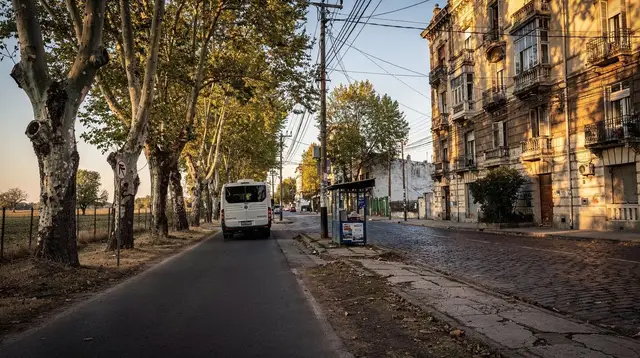
GetYourGuide does not provide a product photo for this activity — the image shows the meeting point, photographed by us.