San Antonio de Areco Day Trip: How to Get There From Buenos Aires
How do you get to San Antonio de Areco from Buenos Aires, and is it worth visiting outside an estancia?
San Antonio de Areco is about 110 km (roughly 1.5–2 hours) west of Buenos Aires, reached by regular long-distance bus from Retiro, by car via Route 8, or by an organised day tour that bundles transport with an estancia programme. The town itself, independent of any estancia, has a walkable colonial centre, silverwork and leather workshops, and a gaucho museum worth two to three hours on its own.
Getting to the pampas town, not just an estancia
San Antonio de Areco sits about 110 km west of Buenos Aires, and it is worth separating two things that tour listings often blur together: the town of San Antonio de Areco, with its own colonial-era centre, silverwork and leather workshops, and a gaucho museum, and the estancias, working ranches scattered around it that run their own fixed programme of asado, horses and folklore displays.
Plenty of visitors spend a full day at an estancia near Areco and never set foot in the town itself, which is a fine choice for that kind of day but a different one from an excursion built around the historic centre. This page is about the trip to the town: how to get there, how long it takes, what the centre itself offers, and how to tell, before booking, whether a tour actually stops there or drives straight past it to a ranch.
If what you actually want is the content of an estancia day — the asado, the horses, the doma display — that is covered on its own page: see estancia day trips from Buenos Aires and a comparison of estancia tours. Here, the estancia programme is mentioned only as an optional add-on to a visit centred on the town.
Why San Antonio de Areco, specifically
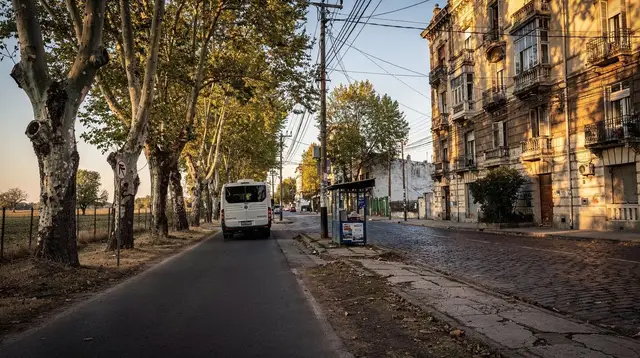
Argentina’s pampas are dotted with small ranching towns, but San Antonio de Areco is the reference point for gaucho tradition for a specific reason: it kept its 18th- and 19th-century townscape largely intact while staying a working centre of silverwork and leather craft, rather than becoming a themed re-creation for visitors. The writer Ricardo Güiraldes set his classic gaucho novel Don Segundo Sombra here in the early 20th century, and the town leans into that association without feeling manufactured — the silversmiths and saddlers working today are continuing trades that never stopped, not staging them for tour buses.
That distinction matters for expectations. San Antonio de Areco is a quiet, low-rise town of around twenty thousand people, not a resort or a folklore park. On an ordinary weekday outside the November festival, its historic streets are genuinely calm, and its appeal is closer to a well-preserved provincial town in Spain or Portugal than to a staged attraction.
Distance, journey time and the three ways to get there
| Method | Approx. duration | Notes |
|---|---|---|
| Long-distance bus from Retiro | ~1h45–2h | Regular daily departures; arrives at the town’s own bus station |
| Car via Route 8 | ~1.5h outside rush hour | Most flexible; allows a stop at a roadside parrilla |
| Organised day tour | ~1.5–2h each way | Bundled with guiding, and often an estancia stop |
By bus. Long-distance coach companies run several services a day from the Retiro bus terminal in Buenos Aires to San Antonio de Areco’s own bus station, a walk of about fifteen to twenty minutes from the historic centre (or a short taxi ride). This is the straightforward independent option: buy a ticket at Retiro or in advance online, and go at your own pace once there. It suits travellers who want to see the town itself on their own schedule rather than as part of a fixed itinerary.
By car. Route 8 (Ruta Nacional 8) runs northwest out of Greater Buenos Aires and reaches San Antonio de Areco in roughly an hour and a half outside rush-hour traffic, which can extend that noticeably on a Friday afternoon leaving the city or a Sunday evening returning. Driving gives the most freedom — a stop at one of the roadside parrillas along the route, a detour to a specific estancia, or simply setting your own return time — but it means navigating out of Buenos Aires traffic and finding parking in a small town with narrow, partly cobbled streets.
By organised tour. Several operators run day tours from Buenos Aires that include San Antonio de Areco, but read the itinerary carefully: some are built entirely around an estancia and treat the town as, at most, a brief drive-through, while others spend real time in the historic centre before or after an estancia stop. If seeing the town’s museum and workshops matters to you, look for a tour that names specific stops in San Antonio de Areco itself, not just “the Areco region” or “a traditional estancia near Areco.”
What the town itself offers, apart from any estancia
The historic centre is compact and entirely walkable. The Ricardo Güiraldes Gaucho Museum, set in parkland beside the Las Flores stream, is the town’s main cultural stop: exhibits on gaucho dress, tack, silverwork and rural life, in a building styled after a colonial-era estancia house — which is itself a useful reminder of the distinction this page keeps making, since the museum evokes an estancia without being a working one.
The old bridge (Puente Viejo) over the Las Flores stream, dating from the 19th century, and the streets around Plaza Ruiz de Arellano preserve low colonial and early-republican buildings, several now housing platería (silverwork) workshops where silversmiths make and sell facones (gaucho knives), mate sets and belt buckles, and talabartería (leather and saddlery) workshops selling saddles, boots and belts.
Two to three hours covers the museum, a walk along the stream and through the plaza area, and a browse through two or three workshops. Add a parrilla lunch — the town has several good, unpretentious ones — and it becomes a comfortable half day, whether or not an estancia visit is attached before or after.
The Fiesta de la Tradición
San Antonio de Areco’s biggest event of the year is the Fiesta de la Tradición, a major gaucho festival held in November, with parades, folklore music, silverwork and craft stalls, and equestrian displays that draw crowds from across the province and from Buenos Aires. It is the town at its most spectacular and also its most crowded: accommodation and tours around the festival dates book up well ahead, and the quiet, contemplative version of the town described above gives way to a much busier atmosphere. Either can be the right choice depending on what you are after — just decide deliberately rather than by accident.
Combining the town with an estancia
For travellers who want both — the historic centre and a full estancia programme of asado, horses and folklore — the two combine naturally into one full day, since they sit within a short drive of each other around San Antonio de Areco. An organised day tour is usually the simplest way to do this without renting a car, and options range from a shared coach tour to a private day tour to an Argentinian estancia with more flexibility over timing.
One packaged option worth knowing about is a day tour to San Antonio de Areco from Buenos Aires that includes transport and guiding, and a related version adds an estancia programme with barbecue and a folklore show for those who want the full day rather than the town alone.
a day tour from Buenos Aires that covers San Antonio de Areco is the straightforward option if you would rather not manage buses and timing yourself. For a version that adds the estancia programme — asado lunch, horses and a folklore show — after time in the town, look at a combined town-and-estancia tour with barbecue and folklore show.
Travellers who would rather book a ranch experience directly, without necessarily stopping in the town centre, can compare it against a private day tour to an Argentinian estancia, which runs as a separate, more flexible itinerary.
Practical notes for the day
Wear comfortable shoes: the historic centre has cobbled and uneven stretches. Workshops and small shops in San Antonio de Areco keep a traditional midday closure in the early afternoon on many days, so plan silverwork or leather shopping for the morning or later afternoon rather than assuming everything stays open through lunch. Cash is useful for smaller workshops and stalls, though the main parrillas and shops generally take cards; as with anywhere in Argentina, treat any specific price as a snapshot rather than a fixed figure, given how quickly peso prices move.
The town is genuinely walkable and, being small and low-key outside festival dates, does not raise the kind of street-safety concerns that apply in parts of central Buenos Aires — an ordinary, unhurried pace of caution is enough.
How this fits with other pampas day trips
San Antonio de Areco is one of several excursions into the pampas and the provincial hinterland around Buenos Aires, each with a different focus. The Luján basilica day trip centres on Argentina’s great pilgrimage church rather than gaucho craft, while La Plata is a planned 19th-century provincial capital with a very different, urban character.
If your interest is specifically the asado-and-horses estancia experience rather than the town, start instead from the estancia day trip guide or the comparison of estancia tours, both of which set out what a fixed estancia programme actually includes.
Within Buenos Aires itself, the closest thematic overlap is with places that touch on gaucho and rural culture inside the city, such as the weekend folk fair at Mataderos, which is worth pairing conceptually with San Antonio de Areco even though the two are not physically close. For planning a longer trip that folds a pampas day into a wider itinerary, see the three-day Luján and La Plata pampas itinerary or the broader best time to visit Buenos Aires guide, which covers how the region’s seasons — inverted relative to the northern hemisphere — affect a day trip like this one.
San Antonio de Areco day trip: frequently asked questions
Is San Antonio de Areco the same as an estancia?
No. San Antonio de Areco is a town with its own historic centre, museums and workshops. Estancias are working ranches, some near the town and open for day visits, others further out. A tour sold as “San Antonio de Areco” may or may not include an estancia programme — check the itinerary before booking.
How far is San Antonio de Areco from Buenos Aires?
About 110 km. By car or organised coach on Route 8, the drive takes roughly 1.5 hours outside rush periods. Long-distance bus services from Retiro typically take close to 2 hours including stops.
Can I visit San Antonio de Areco without a tour?
Yes. Regular long-distance buses run from the Retiro bus terminal in Buenos Aires to San Antonio de Areco’s own bus station, a short walk from the historic centre, so the town is straightforward to visit independently.
How much time do I need in the town itself?
Two to three hours covers the historic centre, the Ricardo Güiraldes Gaucho Museum and a walk along the Las Flores stream and its old bridge. Add lunch and a workshop visit or two and it fills a comfortable half day.
Is San Antonio de Areco worth visiting without doing an estancia?
Yes. The town’s colonial-era streets, working silversmiths and saddlers, and its gaucho museum stand on their own. An estancia day nearby adds horses, an asado and folklore displays, but it is a separate, additional programme, not a substitute for seeing the town.
When is the best time to go?
Most of the year works, since the historic centre and workshops are open year-round. The town is busiest in November for its Fiesta de la Tradición, a major gaucho festival, when accommodation and tours book up well in advance.
Do organised tours from Buenos Aires include the town or only an estancia?
It varies by operator. Some day tours drive straight to an estancia and never stop in the town centre; others combine a short walk through San Antonio de Areco with an estancia visit. Read the itinerary line by line if seeing the historic centre matters to you.
Day Trips from Buenos Aires
Verified deep-linked GetYourGuide tours. Book through these links and we earn a small commission at no cost to you.
GetYourGuide does not provide a product photo for this activity — the image shows the meeting point, photographed by us.