Buenos Aires in December: A Personal Guide
What is Buenos Aires like in December?
December is early summer in Buenos Aires, not winter: heat and humidity build through the month, afternoon thunderstorms become more common, and Christmas and New Year are outdoor, late-night celebrations. The city is busiest in the first half of the month, then quiets from mid-December as residents leave for their own summer holidays.
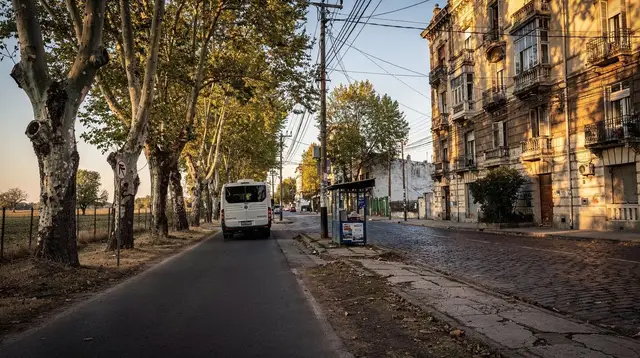
The first time I spent December in Buenos Aires, I caught myself packing a scarf out of pure habit, because in my head December still meant lights on a cold street and a hot drink indoors. That instinct is exactly backwards here. By the time I’d unpacked, I was sweating through a t-shirt at nine in the evening and wondering why every restaurant terrace was full of people eating outside under strings of lights, in shorts, at what felt to me like midnight.
Forget everything December means back home
Buenos Aires sits in the southern hemisphere, so its calendar runs opposite to the one most visitors carry around in their heads. December here is not the tail end of the year sliding into cold; it is the front edge of summer. The heat doesn’t arrive all at once — early December can still feel relatively mild, almost pleasant for walking around Palermo or San Telmo — but it builds steadily as the weeks go on, and by the end of the month the humidity off the Río de la Plata makes itself felt everywhere, even in the shade.
I won’t put a number on it, because a fixed figure is the wrong way to think about this month: what matters is the trend, not a forecast. Expect rising warmth and rising humidity, and expect it to keep climbing into January and February.
What I hadn’t anticipated was the storms. Clear, bright mornings are common, and then somewhere in the late afternoon or early evening the sky can turn fast — a short, heavy thunderstorm that clears the streets for twenty minutes and then leaves the air even thicker behind it. I’ve learned to treat afternoon plans loosely in December: outdoor lunch, sure, but keep evening plans flexible or under cover, and don’t be surprised if a walking tour gets rerouted around a downpour.
Christmas and New Year, but not as you know them
This is the part that took the longest to rewire in my head. Christmas Eve here is a summer night. Families gather for a late dinner — often not starting until close to midnight — with windows open, fans running, and fireworks going off across the city well past 1am, set off informally from balconies and street corners rather than in an organised display. New Year’s Eve follows the same pattern almost exactly: a warm, late, outdoor night, with the Obelisco and the wider Microcentro drawing crowds after midnight.
If you’re staying anywhere central over these two nights, pack earplugs and expect noise; if you’d rather watch than participate, a rooftop terrace is a far better vantage point than the street. There is nothing cosy or fireside about it, and that contrast — Christmas as a hot, loud, outdoor occasion — is honestly one of the most disorienting and memorable things about spending December here.
A city on two speeds
December doesn’t behave the same way from the 1st to the 31st. In the first half of the month, the city is still in full swing: offices are open, restaurants are booked, and the usual rhythm of Recoleta, Puerto Madero and the barrios holds steady. I’d treat this window as a genuinely good time to be here — long daylight hours, warm evenings, and a city that hasn’t yet gone quiet.
From around the middle of the month, that changes. School holidays begin, and a large share of porteños who can afford to leave start heading out — to the coast, to Córdoba, to wherever their own summer plans take them. Some restaurants close for their own holidays, traffic in the centre can thin out, and certain neighbourhood spots simply shut their doors for a few weeks.
It isn’t a ghost town, and the big attractions stay open, but the feel shifts from “city at full tilt” to something closer to “city catching its breath.” If you want the livelier version of December, aim for the first two weeks; if you’d rather have quieter streets and shorter queues at Recoleta Cemetery or Teatro Colón, the back half rewards you for it.
What actually works well this month
Heat and humidity change what I want to do with my days, and December is when I stop trying to cram a dense sightseeing schedule into midday hours. Mornings are for walking — through San Telmo, along Costanera Sur, or around Palermo before the heat builds. Afternoons are for finding shade, water, or air conditioning, and evenings are for the parts of the city that come alive once the sun drops — which, given how this city eats, is most of it.
Getting out onto the water helps more than almost anything else in December. A trip up to Tigre and the Paraná Delta puts you on wooden launches moving through wooded channels, which is a genuinely different, cooler way to spend a hot day than pounding pavement downtown. I did a brunch-and-boat version of this and it remains one of my favourite days from the whole trip — you can look at the half-day Delta cruise with brunch out of Tigre if you’d rather have the boat and the guiding sorted for you.
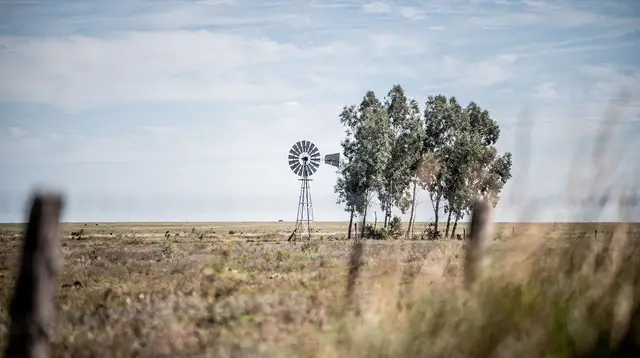
The pampas are another good December escape, since a day out at an estancia trades city heat for open country, shade under trees, and an asado lunch that feels far more suited to a summer’s day than a winter one — the gaucho day trip with an asado barbecue is the version I’d point a first-time December visitor toward.
Evenings, once the worst of the day’s heat has broken a little, are when the city really performs. A tango show works especially well after dark in summer, when the heat outside makes a cool, dramatic room feel like exactly the right place to be — I went to the Rojo Tango dinner show on a sticky December night and it was a relief as much as a treat. And if you want a full day away from the humidity altogether, a fast ferry across to Uruguay changes the air entirely; the day trip to Montevideo with lunch and the ferry crossing gets you onto open river water for a good part of the day.
Packing and pace
Pack for heat and for sudden rain: light, breathable clothes, something to throw on for over-air-conditioned restaurants and buses, and a compact umbrella or light rain jacket for those late-afternoon storms rather than anything heavier. Sun protection matters more than people expect this far south. And build slack into your itinerary — a slower midday, a longer lunch, an afternoon that bends around a thunderstorm — rather than the tightly timed walking days that suit cooler months better.
If you’re weighing December against the rest of the calendar, it’s worth reading a broader best time to visit Buenos Aires comparison, and if the outdoor, late-summer Christmas idea appeals to you specifically, our Buenos Aires summer guide goes deeper into January and February as well, alongside notes on staying comfortable and safe — see also is Buenos Aires safe for the season’s practical side, and Buenos Aires budget and currency before you go.
December in Buenos Aires: frequently asked questions
Is December summer or winter in Buenos Aires?
December is early summer, not winter. Buenos Aires is in the southern hemisphere, so its seasons run opposite to Europe and North America: heat and humidity rise through the month rather than falling.
Does it snow or get cold in Buenos Aires in December?
No. December sits at the start of the hot season, with warmth and humidity building steadily through the month and afternoon thunderstorms becoming more frequent, rather than any cold or snow.
Is Buenos Aires busy or quiet in December?
Both, depending on the week. The first half of the month runs at the city’s normal, busy pace. From around mid-December, many residents leave for their own summer holidays, and some restaurants and neighbourhood spots close for a stretch, so the second half feels noticeably quieter.
What are Christmas and New Year like in Buenos Aires?
They are warm, late, outdoor celebrations rather than cosy indoor ones. Family dinners often run past midnight, and both Christmas Eve and New Year’s Eve are marked by informal fireworks across the city into the early hours.
Should I expect rain in December?
Yes, in the form of short, heavy afternoon or evening thunderstorms rather than steady all-day rain. Mornings are often clear; keep afternoon and evening plans flexible around possible storms.
Is December a good time to visit Buenos Aires?
The first half of the month is a strong time to visit, with long daylight hours, warm evenings and the city still in full swing. The second half is quieter and calmer, which suits visitors who prefer thinner crowds over full-tilt energy.
What should I pack for Buenos Aires in December?
Light, breathable clothing, sun protection, and a compact umbrella or light rain jacket for sudden afternoon storms, plus a layer for air-conditioned restaurants, buses and the Subte.
Is it a good month for day trips like Tigre or an estancia?
Yes. Getting out onto the water at Tigre and the Paraná Delta, or out to the shaded pampas for an estancia day, are both good ways to escape the city’s rising heat and humidity in December.
Seasonal Guide
Verified deep-linked GetYourGuide tours. Book through these links and we earn a small commission at no cost to you.
GetYourGuide does not provide a product photo for this activity — the image shows the meeting point, photographed by us.