A Day at an Estancia Near San Antonio de Areco: What Actually Happens
What happens on a typical estancia day tour near San Antonio de Areco?
Most day tours pick up in Buenos Aires early morning, drive roughly 110 km to the pampas, and run a fixed programme of a welcome drink, horse or carriage activities, a folk or gaucho display, and a long asado lunch with wine, before an afternoon of horseback riding, siesta time or a walk, and a return to the city by early evening. The exact mix, pace and formality differ significantly from one estancia to another.
An estancia day is one of the more predictable excursions on offer from Buenos Aires, in the best sense: the programme is fixed, the operators know exactly what time everyone eats, rides and leaves, and the whole thing is built to run the same way every Saturday of the season. That predictability is also what makes it worth spelling out in advance, because visitors who expect a loose, wander-as-you-please farm visit are sometimes surprised by how structured the day actually is — and visitors who expect every estancia to feel the same are usually wrong about that too. This page walks through how a typical day unfolds, from pickup to drop-off, and flags where formulas genuinely diverge between properties.
Where the pampas fit into the trip
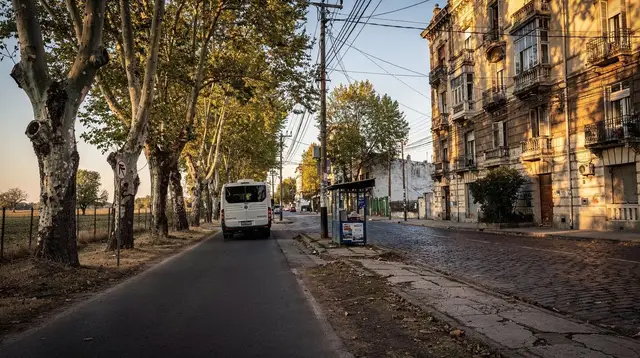
The estancias sold as day tours from Buenos Aires sit in the flat cattle country of the pampas, generally within reach of San Antonio de Areco, the small town about 110 km west of the capital that is the reference point for gaucho tradition, silverwork and rural criollo craft.
Not every estancia sold on a day tour is inside Areco itself — some are closer to the highway, others further into the countryside — but Areco is the cultural anchor for the whole area, and many itineraries pair the estancia visit with an hour or two in the town’s historic centre, either on the way out or the way back. If you want that town time explicitly, check the itinerary before booking, since some tours drive straight to the estancia and skip it.
For travellers weighing this against other pampas options, a San Antonio de Areco day trip without an estancia programme is a lighter, cheaper alternative focused on the town’s silversmiths, saddlers and museums. An estancia day, by contrast, is built around the land and the ranch itself, with the town as an optional extra rather than the main event.
The morning: pickup and the drive out
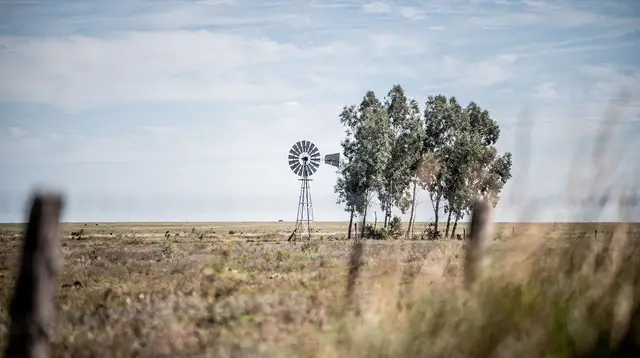
Nearly all estancia day tours from Buenos Aires start with an early hotel or central-point pickup, typically between 8:00 and 9:00. The drive out takes roughly ninety minutes to two hours depending on which estancia is booked and how far past Areco it sits, and it is usually the first chance the guide has to give context on gaucho history, the pampas landscape and what to expect once you arrive — useful, since the visual transition from the dense city to flat open grassland happens fast once you clear the Greater Buenos Aires conurbation.
Arrival is generally mid-morning, and this is where the fixed programme begins. A welcome drink — often a fernet, a local wine, or simply mate — is standard, followed by a walk around the main house and grounds while the group assembles. Some properties start activities immediately; others build in a slower settling-in period before the first horse or carriage outing. This is one of the first points where estancias diverge noticeably: a large estate running several bus groups a day tends to move visitors through a set rotation on a schedule, while a smaller, family-run property with one group at a time can let the morning breathe more.
Mid-morning: horses, carriages and the land
The core activity block usually runs through late morning. Horseback riding is close to universal, though the format differs: most day-tour estancias offer a short, guided loop suitable for complete beginners, on calm horses led by a gaucho, rather than an open-country ride requiring experience. Riders who want more than a gentle loop should ask specifically when booking, since a handful of estancias do offer longer or more technical rides for confident riders, but this is the exception, not the default.
Alongside or instead of riding, many estancias run horse-drawn carriage rides across the property, which suit visitors who prefer not to ride at all, along with children and older travellers. A short talk or walkthrough about the estancia’s own history — many of these houses date to the nineteenth century and have been in the same family for generations — often fills the gap between activities.
This is a second point of real divergence. A large, tourist-oriented estancia built for volume will run a tighter activity rotation with staff dedicated to each station; a smaller estate may offer fewer distinct activities but a more personal, conversational pace with the owners or their family. Neither is objectively better — it depends on whether you want a polished show or a quieter, more improvised afternoon on a working ranch.
Midday: the asado
Lunch is the anchor of the day and, on almost every estancia tour, it is a full asado — Argentina’s traditional grilled-meat meal, cooked slowly over wood or charcoal coals rather than a quick barbecue. Expect empanadas as a starter, then a sequence of grilled beef cuts along with chorizo and morcilla sausages, served with salad, bread and often provoleta (grilled cheese). Wine, soft drinks and water are typically included, and dessert — commonly something built around dulce de leche — follows. For background on the wider tradition this meal belongs to, see the asado and parrilla guide.
Lunch is usually long by design: an hour and a half to two hours, often with live folk guitar or accordion music playing in the background, and it doubles as the main social point of the day. Portion size and quality vary by estancia and by price point — a budget group-tour lunch and a small-group or private lunch are not always the same experience, even when both are billed as “asado included,” so it is worth checking whether a specific tour lists a set menu or an open buffet.
Afternoon: doma and folklore
After lunch, the pace usually shifts to demonstration and performance. A doma display — gauchos showing traditional horse-breaking and handling skills in a ring — is the centrepiece on most properties, alongside folk dancing and live music showcasing Argentine rural traditions such as zamba and chacarera. This is a display for visitors to watch, not an activity to join, though some estancias invite guests to try simple games or skills on foot, such as ring-spearing on horseback for the confident.
Some properties wind the afternoon down with a siesta period — genuinely a rest under the trees, in keeping with rural custom — while others keep a light activity going, such as a walk to see the cattle or a second, shorter ride. This is a third area where formulas differ sharply: the most polished, group-oriented estancias run doma and folklore as a scheduled show with an announcer, while smaller estates may offer something closer to an informal demonstration with far fewer spectators.
For a deeper look at either of the two headline activities on their own terms, see the dedicated pages on the gaucho show and asado format and on horseback riding at an estancia; this page is meant as the reference for how the whole day fits together, not a substitute for either.
Late afternoon: departure
Most tours wrap the on-site programme by mid-to-late afternoon, generally between 16:00 and 17:00, allowing for the return drive and arrival back in Buenos Aires by early evening — typically 18:00 to 19:00, traffic depending. A handful of operators offer sunset departures or extend the day with an optional final activity, but the two-hours-each-way structure keeps most tours to a single, long day rather than an overnight.
A typical day, at a glance
| Time (approx.) | What happens |
|---|---|
| 08:00–09:00 | Pickup in Buenos Aires |
| 09:00–10:30 | Drive to the pampas |
| 10:30–12:00 | Welcome drink, house tour, horseback riding or carriage ride |
| 12:00–14:00 | Asado lunch with wine and folk music |
| 14:00–16:00 | Doma display, folk dancing, siesta or a further activity |
| 16:00–16:30 | Departure from the estancia |
| 18:00–19:00 | Arrival back in Buenos Aires |
Treat these times as a rough shape rather than a fixed schedule — the actual sequence and duration of each block depends on the specific estancia and tour operator.
Why estancias are not interchangeable
It is worth saying plainly: marketing photos of gauchos, horses and long tables under trees make every estancia day tour look alike, and they are not. A large estate built around bus-group volume, running several sittings a day through peak season, delivers a reliably polished show with a bigger crowd and a tighter schedule. A smaller, family-run property takes fewer visitors, often only one group at a time, and tends to feel more like a personal visit to a working ranch than a staged performance — sometimes at the cost of a less elaborate activity list.
Price, group size, the age and formality of the house, and how much of the day is genuinely working-ranch versus visitor-oriented all vary. Reading the specific inclusions of a tour — private versus shared transport, which activities are confirmed rather than “weather permitting,” and whether lunch is a set menu — matters more than the estancia’s name alone.
Booking a day tour
The most common way to visit is a return day tour from Buenos Aires that bundles transport, the full activity programme and lunch into one price. A private version of the same format gives more control over pace and start time:
a private day tour to an Argentinian estancia runs the same core programme — welcome drink, riding, asado, doma — with only your own group, which suits travellers who want a slower pace or a specific start time.
For a shared-group option departing from the capital, a day tour to San Antonio de Areco from Buenos Aires typically combines an estancia visit with time in the town itself, useful if seeing Areco’s silverwork shops and historic centre matters alongside the ranch experience.
Travellers combining the pampas with another out-of-town stop sometimes choose a full-day tour pairing San Antonio de Areco with Luján, which adds a stop at the pilgrimage basilica of Luján — a longer day, and one with less time at the estancia itself, so it suits a first and only pampas visit more than a leisurely one.
Some visitors extend their pampas time with a separate excursion further south; an excursion to La Plata is unrelated to the estancia format but is a common pairing for travellers building a multi-day pampas-and-provincial-capital itinerary, since La Plata is a planned city with its own distinct character rather than gaucho country.
Planning around the season
Argentina’s seasons run inverted to the northern hemisphere: outdoor days on the pampas are most comfortable in spring (September–November) and autumn (March–May), while summer (December–February) can be hot for a full day outdoors and winter (June–August) is cool and often damp, though rarely freezing. San Antonio de Areco’s own Fiesta de la Tradición, the town’s major gaucho festival, falls in November and is worth timing a visit around if it coincides with your trip — though it also means larger crowds and estancias at their busiest. Whatever the season, mornings on the open pampas run cooler than in the city, so a light jacket is worth packing even for a summer visit.
Getting oriented before you go
Before booking, it helps to have a general sense of the wider pampas region and how an estancia day sits alongside other day trips from the capital; the estancia tours comparison guide sets several formats side by side, and the day-trip overview covers the other options — Tigre and the delta, Colonia across the river, and La Plata — for travellers deciding how to split limited time outside Buenos Aires. For the town itself, the San Antonio de Areco neighbourhood context and the dedicated day trip guide cover what to see if you extend beyond the estancia programme alone.
Frequently asked questions about an estancia day near San Antonio de Areco
How long does an estancia day tour last?
A typical day tour runs about 9 to 10 hours door to door, including roughly two hours of driving each way from Buenos Aires. The time actually spent at the estancia is usually 5 to 6 hours.
Is lunch included and what is served?
Yes, almost all day tours include a full asado lunch with wine, soft drinks and dessert. Expect grilled beef, chorizo and morcilla sausages, empanadas as a starter, and salad, though the exact menu varies by estancia.
Do I need riding experience to go horseback riding?
No. Most estancias offer short, guided rides on calm horses suitable for beginners, usually a loop around the property rather than open-country riding. Ask ahead if you want a longer or more technical ride.
What is a doma display?
Doma is a demonstration of horse-breaking and handling skills by gauchos, usually performed in a ring in front of visitors in the afternoon. It is a display, not audience participation.
Can I visit an estancia without a group tour?
Some estancias accept independent visitors or overnight guests by direct booking, but most day-tour operators only sell the full return-transport-and-programme package from Buenos Aires, which is simpler for a single day.
Are all estancias near San Antonio de Areco the same?
No. Some are large working cattle ranches with a folk-show format for bus groups, others are smaller, family-run estates with a quieter, more personal pace. The land, the house, the size of the group and the degree of polish all vary.
Should I book a tour that includes San Antonio de Areco town itself?
Some itineraries add an hour or two in the town before or after the estancia visit; others go directly to the estancia and skip the town. Check the itinerary if walking Areco’s historic centre matters to you.
What should I bring or wear?
Comfortable closed shoes for uneven ground, a hat and sunscreen in summer, a light jacket in winter since mornings on the pampas are cool, and cash in pesos for tips or extra drinks, since card acceptance can be limited this far out.
Estancia and Countryside Excursions
Verified deep-linked GetYourGuide tours. Book through these links and we earn a small commission at no cost to you.
GetYourGuide does not provide a product photo for this activity — the image shows the meeting point, photographed by us.