Best Time to Visit Buenos Aires
When is the best time to visit Buenos Aires?
Spring (September–November, jacarandas late October–November) and autumn (March–May) are the most comfortable seasons. Summer (December–February) is hot and humid; winter (June–August) is cool and damp but never snowy — remember Buenos Aires is in the southern hemisphere, so its seasons are the reverse of Europe or North America.
The question I get asked more than any other, usually from someone who has already blocked out their annual leave, is some version of: “we’re thinking July, is that a good time?” And every time, I have to gently break the news that July in Buenos Aires is the dead of winter. Nobody is being careless when they ask this — it’s just the natural instinct of a European or North American traveller applying a calendar that doesn’t apply south of the equator. I made exactly the same mistake myself the first time I planned a trip down here, and I’d rather save you the recalibration than let you discover it mid-booking.
Buenos Aires sits in the southern hemisphere, which means the seasons are the mirror image of what most of my readers grew up with. Summer runs December through February, not June through August. Winter runs June through August. Spring is September to November, autumn is March to May. Once that clicks into place, planning a trip here gets a lot easier — and a lot of the confusing advice you’ll read elsewhere starts to make sense.
Why I steer people toward spring and autumn
If you ask me to pick, without knowing anything else about your trip, I’ll tell you the same thing every time: aim for spring (September to November) or autumn (March to May). These are the two windows locals themselves treat as the good months — mild enough to walk for hours through Palermo or San Telmo without wilting, cool enough in the evenings for a jacket but rarely genuinely cold, and free of the two extremes that bracket the calendar on either side.
Spring has one extra card up its sleeve that I’m genuinely fond of: the city’s jacaranda trees flower purple from late October into November, and for a couple of weeks whole streets in Palermo and Recoleta turn a shade of lavender that photographs don’t quite capture. If your dates are flexible at all, I’d nudge them toward that window on the strength of the jacarandas alone. I’ve written a separate page just on timing a trip around them, because it deserves more than a paragraph here.
Autumn gets less hype but I actually rate it just as highly, sometimes higher. The summer crowds and summer heat have both drained away, the light goes soft and golden in a way that suits the city’s grand old buildings, and outdoor cafés are comfortable at almost any hour. It’s the season I’d pick if I wanted Buenos Aires at its most liveable rather than its most photogenic.
Why summer isn’t the obvious choice here
December through February is Buenos Aires summer, and it runs hot and humid — the kind of humidity that makes an afternoon walk across Puerto Madero or through the Costanera Sur reserve feel like more of a commitment than it looks on a map. There’s also a very local wrinkle: a lot of porteños leave the city in January, heading to the coast or inland, which means some restaurants and neighbourhood spots close for stretches and the city itself feels quieter and a little hollowed out, even as tourist numbers around the main sights stay steady. It’s not a bad time to come, especially if you’re combining the trip with the beach yourself, but it’s not the effortless, everyone’s-out-and-about atmosphere that the word “summer” implies.
Why winter isn’t what it sounds like either
And then there’s winter, June through August, which is where the July question usually comes from. Here’s the correction I make most often: Buenos Aires winter is cool and damp, not cold, and snow is essentially unknown here. This isn’t a ski-jacket destination the way a European or North American July-equivalent city might be in its own winter. Locals do rug up — Argentine ideas of “cold” run a bit sensitive by northern-hemisphere standards — but for most visitors it’s a coat-and-scarf season, not a thermal-layers one. The upside is real: fewer tourists, better hotel rates, and a city that still functions completely normally, just with shorter days and a greyer sky.
A quick way to think about it
| Season | Months | The honest read |
|---|---|---|
| Spring | September–November | My top pick — mild, jacarandas late Oct–Nov |
| Autumn | March–May | Equally strong — quiet, comfortable, golden light |
| Summer | December–February | Hot, humid, city partly empties out in January |
| Winter | June–August | Cool and damp, never snowy — not a “real” winter |
I’ve deliberately left temperatures and rainfall percentages off that table. Numbers like that go stale fast, and a single average tells you very little about what any particular week will actually feel like. What I’d rather do is point you to the pages where I go month by month — January through December — because that’s where the real planning detail lives: what’s actually blooming or closing, which festivals fall when, what to pack, and how each month compares to its neighbours.
If you already know your season, start with the summer guide or the jacaranda season page; if you’re still narrowing down dates, the monthly pages are the faster route.
How this should shape your itinerary
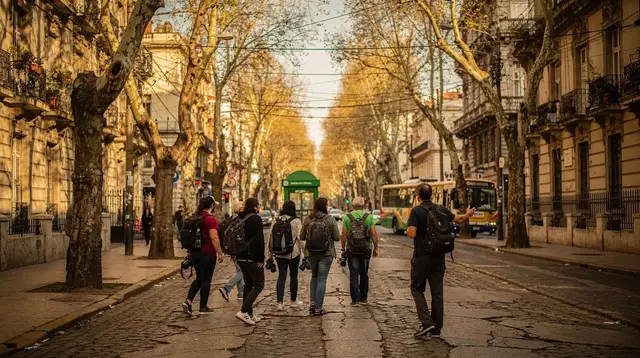
Whichever window you land on, the season should quietly steer a few decisions rather than dominate them. In spring or autumn, I’d lean into full days on foot — a walking tour of San Telmo, an afternoon in Palermo, a proper wander through Recoleta Cemetery — because the weather won’t fight you.
A day trip out to Tigre and the delta is genuinely pleasant almost any time of year, but it’s at its best when the light is soft and the boat ride isn’t a sweat. In midsummer, I’d shift the balance toward mornings and evenings outdoors and save indoor or shaded options — a Teatro Colón tour, a long lunch, a tango show — for the hottest hours. In winter, nothing really closes, but I’d build in more time for sit-down meals and indoor culture and less for standing around outside after dark.
One thing that doesn’t change with the season is the calendar of things that only happen at certain times — the Feria de Mataderos, which pauses or shifts in the hottest part of summer, or San Antonio de Areco’s Fiesta de la Tradición each November — so if a specific event is the reason for your trip, check its actual dates before you lock in a season based on weather alone.
For a proper introduction to the city itself once you’ve picked your dates, a night out at a live tango dinner show works in any season since it’s entirely indoors, while a day combining a city tour with a working ranch, as in this ranch-and-tango combination day, is genuinely better in the cooler months when riding and standing around a pampas estancia doesn’t mean doing it in summer humidity.
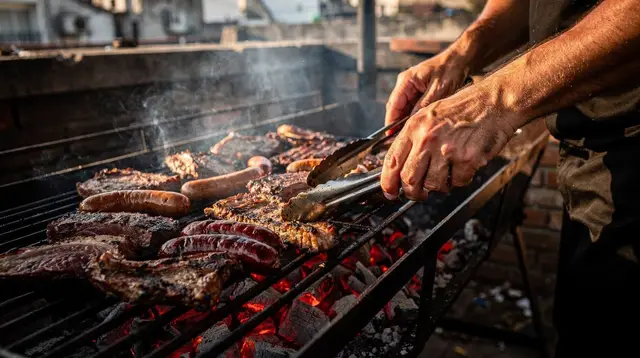
If you’re set on the countryside experience specifically, a full day out with an asado lunch and gaucho displays is one I’d also push toward spring or autumn for the same reason. And a half-day on the water, like a brunch cruise through the Tigre delta, is lovely nearly year-round but especially so once the summer humidity has broken.
FAQ: choosing when to visit Buenos Aires
Is July a good time to visit Buenos Aires?
July is midwinter in Buenos Aires, not summer — the city stays cool and damp, never snowy, so it’s a perfectly workable time to visit but not the warm-weather trip the word “July” suggests to a northern-hemisphere reader.
What’s the single best month to visit Buenos Aires?
There isn’t one universal answer, but if forced to choose I’d point to late October or November for the jacaranda bloom, or any month in March–May for a quieter, equally comfortable alternative; see the monthly pages for specifics.
Is Buenos Aires hot in December, January and February?
Yes — this is the southern hemisphere summer, and it runs hot and humid, with many locals leaving the city (especially in January), so some neighbourhood spots close temporarily even as the main sights stay busy.
Does it snow in Buenos Aires in winter?
No. Winter (June–August) is cool and damp but snow is essentially unknown in the city; pack layers and a coat, not a full winter wardrobe.
When do the jacaranda trees bloom in Buenos Aires?
Typically from late October into November, which is one of the reasons spring is my top overall recommendation; see the dedicated jacaranda season page for the finer timing.
Should I avoid Buenos Aires in January?
Not necessarily, but be aware the city empties out somewhat as residents travel, and some restaurants and shops reduce hours or close for stretches — it’s still fully functional for visitors, just with a different rhythm.
Why doesn’t this page give exact temperatures or rainfall figures?
Because a single seasonal average tells you very little about any specific week, and those numbers date quickly; the month-by-month pages linked above give the more useful, current detail for whichever dates you’re actually considering.
Is spring or autumn better for outdoor walking tours and day trips?
Both work well and I rate them roughly equally — spring adds the jacaranda bloom, autumn adds quieter streets and soft light, so the choice often comes down to which bonus matters more to you.
tours.Planning
Verified deep-linked GetYourGuide tours. Book through these links and we earn a small commission at no cost to you.
GetYourGuide does not provide a product photo for this activity — the image shows the meeting point, photographed by us.