Steak House Guide: How to Order the Right Cut in Buenos Aires
How do I choose the right steak at a Buenos Aires parrilla?
Match the cut to what you want: bife de chorizo for a thick, well-marbled classic, ojo de bife for a rounder, fattier eye of ribeye, entraña for a thin, fast-cooked skirt steak, and vacío or asado de tira for slow-grilled, bone-in styles. Order your cocción (doneness) clearly, since Argentine 'medium' runs pinker than in many countries, and expect fries, salad or grilled provoleta as the standard sides rather than heavy sauces.
Reading a Parrilla Menu Without Guessing
A Buenos Aires steak menu is organised by cut, not by size or price tier, and the names are not always intuitive if you are used to a different steakhouse tradition. This guide is about that decision — which cut to order, how to ask for it cooked, and what comes alongside it. It is a practical companion to the asado and parrilla guide, which covers the social ritual of the asado itself; here the focus stays on the menu in front of you and the plate that arrives.
Most parrillas, from a no-frills counter in San Telmo to a polished dining room in Palermo or Puerto Madero, print the same core list of cuts with only minor variation. Knowing five or six names covers almost every menu you will see.
The Cuts Worth Knowing
Bife de chorizo is the default order for most visitors: a thick, boneless sirloin strip with a firm bite and a strip of fat along one edge. It is not chorizo sausage — the name refers to the cut’s shape, historically likened to a sausage casing. If a menu lists one “classic” steak without further comment, this is usually it.
Ojo de bife is rib eye, cut through the muscle so the central marbled “eye” is visible on the plate. It carries more internal fat than bife de chorizo and delivers a richer, fattier flavour — the cut to choose if flavour matters more to you than a lean bite.
Bife de lomo is tenderloin: the leanest, most tender cut, with almost no fat and a subtler flavour. It is usually the priciest item on the list precisely because it yields so little per animal, and it rewards a lighter cooking time since there is no fat to render.
Entraña (skirt steak) is thin, long and intensely flavoured, cut from near the diaphragm. It cooks in only a few minutes over high heat and is often served first, ahead of thicker cuts still on the grill — treat it as an early course as much as a main if you are ordering several things.
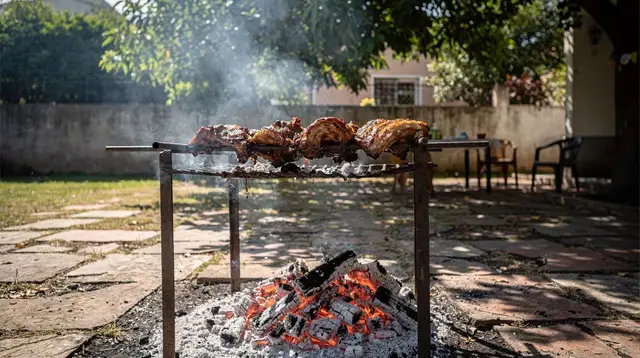
Vacío (flank) is a wide, well-marbled cut that grills forgivingly and holds up well if you are not certain what you want; it is a reasonable middle-ground order for a first visit. Asado de tira (short ribs, cut across the bone in the Argentine style) is the cut that looks most like the asado of postcards — slow-grilled, eaten partly with your hands, and best ordered if you want that specific experience rather than a tidy fork-and-knife plate.
| Cut | English equivalent | Texture | Cooking time | Best for |
|---|---|---|---|---|
| Bife de chorizo | Sirloin strip | Firm, some fat edge | Medium | A reliable default order |
| Ojo de bife | Rib eye | Marbled, rich | Medium | Maximum flavour |
| Bife de lomo | Tenderloin | Very tender, lean | Shorter | Leanest option |
| Entraña | Skirt steak | Thin, intense | Fast | Sharing, first course |
| Vacío | Flank | Marbled, forgiving | Medium-long | First-timers, sharing |
| Asado de tira | Short ribs (crosscut) | Bone-in, chewy edges | Long, slow | The classic asado look |
Offal and the Rest of the Grill
A parrilla menu does not stop at the six cuts above. Mollejas (sweetbreads) and chinchulines (grilled small intestine) are common starters at traditional parrillas, alongside the morcilla already mentioned, and together with the main cuts they make up the achuras portion of a full parrillada. They are worth trying if you are curious about the wider Argentine grill tradition rather than sticking to muscle cuts alone, though they are entirely optional — no parrilla will expect you to order them, and a straightforward bife de chorizo or ojo de bife remains a complete meal on its own.
If you would rather learn to cook the whole spread yourself than just order it, an asado cooking class or the hands-on parrilla and asado guide walks through the fire, the cuts and the order they go on the grill, from achuras first through to the thick cuts last.
Ordering Your Cocción (Doneness)
Argentine kitchens run pinker by default than many visitors expect. The standard scale, from rarest to most cooked, is: jugoso (rare to medium-rare, red and juicy in the centre), a punto (medium, a pink centre), and bien cocido (well done). There is no reliable “medium-rare” word that maps precisely onto every kitchen’s practice, so if you are unsure, order a punto and tell the server if you want it pinker or more cooked — most parrillas are used to adjusting for visitors and will ask if you don’t specify.
Do not assume a term from another country’s steakhouse tradition will translate directly; “medium” ordered without clarification can arrive closer to what you would call medium-rare elsewhere.
What Comes With the Steak
Sides are ordered separately rather than plated as a garnish. Papas fritas (fries) and a simple ensalada mixta (tomato, lettuce, onion) are the standard companions, and neither arrives automatically — ask. Many parrillas open the meal with provoleta, a thick slab of grilled provolone cheese with oregano, or morcilla (blood sausage), both eaten as a starter before the steak itself.
Chimichurri (an oil, garlic, parsley and vinegar mix) and salsa criolla (a chopped tomato, onion and pepper relish) sit on the table as condiments you add yourself — the steak is not served pre-sauced. If you want to sample a wider spread of grilled items in one sitting, a parrillada (mixed grill for two or more, often including offal known as achuras) is the standard way to do it, though it trades precision over any one cut for variety.
Wine is the default pairing, and Malbec specifically; if you want a guided introduction to it alongside the food, a Malbec tasting pairs naturally with a steakhouse evening.
A Note on Price
This guide deliberately does not quote a price per kilo or per cut. Argentina has lived through years of high inflation and repeated changes to currency and payment rules, and any peso figure printed today is likely to be out of date within weeks — including anything written here. Check the current menu on arrival, budget in a range rather than a fixed number, and see the budget and currency guide for how to think about costs that move this fast.
Where to Eat It
Palermo carries the highest concentration of destination parrillas and modern steakhouse takes on the tradition, reviewed in the best parrillas in Palermo guide; it is also the easiest area to combine a steak dinner with the neighbourhood’s bars afterwards, covered in the Palermo wine bars guide. San Telmo leans toward older, more traditional dining rooms, listed in the best parrillas in San Telmo guide, often paired with an afternoon at the Sunday fair.
If you would rather have a guide walk you through the food scene than choose a restaurant cold, a structured food tour of Palermo or San Telmo covers grilled classics alongside other local dishes, and an empanadas tasting is a good lighter complement if a full steak dinner feels like too much on the same day. Travelling with a vegetarian or vegan companion who won’t be ordering a steak at all makes the vegetarian and vegan Buenos Aires guide worth checking before you pick the restaurant, since not every classic parrilla has kept pace.
Recoleta and Puerto Madero each carry a smaller number of well-regarded parrillas pitched more toward visitors and business dinners than toward neighbourhood regulars — useful if you are already staying near the Recoleta Cemetery or want a steak dinner within walking distance of the docks covered in the Puerto Madero walking tour guide, though prices and formality both tend to run a notch higher than in San Telmo. The Recoleta neighbourhood guide and Puerto Madero neighbourhood guide cover both areas beyond the dinner table.
a guided street food walk that puts grilled classics in context alongside other local staples is a good first orientation if you are new to the menu and want an expert to explain cuts and stalls before you order alone.
For a more focused introduction to the Palermo food scene specifically, a local-led food tour through Palermo’s restaurants and markets covers several of the same cuts discussed above, tasted rather than just read about. If your visit runs into a rest day between grilled meals, a guided mate experience at Casa Mínima is a low-key, non-meat way to spend an afternoon in the same part of the city.
Taking the Asado Further
The parrilla in the city is one version of a tradition that runs deeper into the countryside. A day trip to an estancia — reached on a full-day estancia visit or as part of a San Antonio de Areco day trip — typically builds the day around an asado cooked over an open wood fire rather than a restaurant grill, alongside horses and a doma display. It is a different register from a Palermo dining room: slower, outdoors, and closer to where the tradition comes from. The estancia tours comparison guide is a useful starting point if you are still deciding whether to add one to the itinerary.
For a more structured way to compare dining rooms without hunting on your own, a parrilla and asado food tour with an optional Michelin-recognised stop covers several addresses in one outing, and a table at Parrilla Don Julio, one of Palermo’s best-known grill addresses, is worth booking ahead if you want a single destination meal rather than a guided tour.
Steak House Etiquette, Briefly
Reservations matter at the well-known Palermo and Puerto Madero addresses, especially on weekend evenings; a walk-in strategy works better at neighbourhood parrillas in San Telmo or Recoleta. Dinner service starts late by international standards — rarely before 20:00, often not filling up until closer to 21:00 or 22:00 — so an early booking usually means a quieter room, not a busy one. Tipping around 10% is customary where service isn’t already included, appreciated in cash, though it remains a norm rather than a strict rule.
Steak in Buenos Aires: Frequently Asked Questions
What is the difference between bife de chorizo and bife de lomo?
Bife de chorizo is a thick, boneless sirloin strip with a firm bite and a fat edge along one side; it is the default “big steak” at most parrillas. Bife de lomo is tenderloin, leaner and more delicate, with almost no fat, and it is usually the most expensive cut on the menu.
What is ojo de bife?
Ojo de bife is the rib eye, cut with its central marbled “eye” intact. It is fattier and more richly flavoured than bife de chorizo, and it is the cut to order if you want maximum flavour over maximum tenderness.
What is entraña, and how is it different from other cuts?
Entraña is skirt steak, a thin, long, intensely flavoured cut taken from near the diaphragm. It cooks in a few minutes over high heat, arrives well before a thick bife de chorizo, and is often shared as a starter as much as ordered as a main.
How do I ask for a steak cooked a certain way in Argentina?
Ask for it jugoso (rare to medium-rare, still red and juicy in the centre), a punto (medium, pink centre) or bien cocido (well done). Argentine kitchens run pinker by default than many visitors expect, so if in doubt say a punto and check with the server rather than assuming your usual order will translate directly.
What comes with the steak at a typical parrilla?
Expect simple sides ordered separately rather than a plate that arrives garnished: papas fritas (fries), a green salad or ensalada mixta, and often grilled provoleta cheese or morcilla (blood sausage) as a starter. Chimichurri and salsa criolla are the standard condiments on the table, not a sauce poured over the meat.
Should I order a parrillada instead of a single cut?
A parrillada is a mixed grill for two or more, combining several cuts and often offal (achuras) on one shared platter. It is a good way to try multiple cuts in one sitting, but it is not the way to guarantee a specific cut cooked exactly the way you want — order a single steak if you have a clear preference.
Is vacío or asado de tira a better choice for a first-timer?
Vacío (flank) is boneless, well-marbled and forgiving on the grill, a reasonable middle ground for a first visit. Asado de tira is short ribs cut across the bone, slow-grilled and eaten off the bone with your hands in places — great if you want the classic asado look, less practical if you want a fork-and-knife meal.
Why doesn’t this guide list prices per kilo?
Argentina has lived through years of high inflation and repeated changes to exchange and payment rules, so any peso figure for meat is out of date within weeks. Check current menu prices on site and budget with a wide range rather than relying on a fixed number from any guide, including this one.
Food Tours and Argentine Wine Tastings
Verified deep-linked GetYourGuide tours. Book through these links and we earn a small commission at no cost to you.
GetYourGuide does not provide a product photo for this activity — the image shows the meeting point, photographed by us.