Buenos Aires in August: A Quiet, Softening Winter
What is Buenos Aires like in August?
August sits at the tail end of the austral winter: cool and damp through most of the month, with a gradual softening and the first budding trees appearing toward the end. It's a quiet month for tourism, well suited to mixing indoor visits like the Teatro Colón with outdoor days whenever the weather cooperates.
I landed in Buenos Aires in the last week of July on a previous trip and stayed on into August almost by accident, and it turned out to be one of the more relaxed stretches I’ve spent in the city. There’s a persistent idea that Buenos Aires stays locked in deep winter until spring officially starts in September, and I want to push back on that a little, because it doesn’t match what I actually felt on the ground.
What August Actually Feels Like
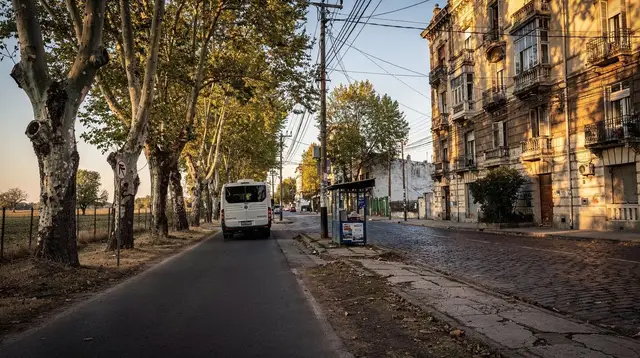
Argentina’s winter runs June to August, and August is unambiguously still winter — cool, often damp, the kind of grey light that makes a coat and a scarf sensible most days. But it’s the tail end of it, not the depth of it. By the second half of the month I started noticing the city loosen up: bare branches along Palermo starting to show the faintest green, café terraces filling back in on the milder afternoons, a general sense that everyone was waiting for spring rather than settled into winter. It’s gradual and uneven — some days still feel properly wintry, others already hint at what’s coming — but the direction of travel through the month is unmistakably toward warmer.
I’d correct the assumption some travellers carry into the trip: that the city stays in a strict winter mode right up until September flips a switch. It doesn’t work that way. Late August already carries real signs of the change, even if the full transformation — the jacaranda bloom, the outdoor tables filling every block — is still a couple of months off.
How I Split My Days
What worked well was treating August as a month for alternating registers rather than committing to one kind of day. On the grey, damp mornings, I leaned into indoor Buenos Aires. A guided visit to the Teatro Colón filled a whole morning on its own — the building is extraordinary regardless of season, and touring the hall by day is a completely different experience from attending a performance there in the evening, so I treated them as two separate outings rather than trying to combine them.
Historic cafés did a lot of work for me too. An afternoon at the Café Tortoni, with its worn velvet and its slightly theatrical waiters, is exactly the kind of visit that improves when the weather outside is uninviting — you’re not missing anything by staying in. I paired that with wandering through El Ateneo Grand Splendid, the old theatre turned bookshop on Santa Fe, which takes less than an hour but photographs beautifully whatever the season.
On the brighter, milder afternoons — and there were more of these than I expected by the last ten days of the month — I pushed outdoors. A walk through Recoleta Cemetery works well in cool, clear light, and San Telmo is genuinely pleasant to wander when it isn’t crowded with summer tourists.
I also used one of the clearer days for a trip out to Tigre and the Paraná Delta; the boat ride across the wooded channels felt bracing rather than unpleasant, and having the launches half-empty was, honestly, a pleasure rather than a compromise. I’d booked a guided Tigre Delta trip with brunch in advance, which turned out to be a good call in the cooler weather — a hot meal on the water made the whole outing more comfortable than I’d expected for August.
The Upside of Off-Season Timing
The clearest advantage of August is how much quieter everything is compared with the summer months. Restaurants I’d read were hard to book took walk-ins without trouble. Queues at Recoleta Cemetery and along Caminito were short enough that I could actually take my time rather than being swept along. It’s not a dead month — the city is fully alive, shops and cafés running as normal — it’s simply not competing with the peak-season crowds that fill January.
Evenings in August leaned toward tango for me. A dinner show is polished and easy to book on short notice, and I went with the Rojo Tango show one night, which felt right for a cooler evening when the idea of sitting somewhere warm and well-lit with good food was more appealing than standing around outdoors.
On another night I tried a milonga instead — a proper social dance hall rather than a staged show — and if you want the more authentic version of tango culture, it’s worth reading up on milongas for visitors before choosing between the two. If you’d rather learn a few steps than just watch, a beginner tango group class is a low-pressure way to try it, and I’d also point traditionalists toward the Tango El Viejo Almacén show, one of the oldest and most traditional tango houses in the city.
I also fit in a full day out at an estancia. Given the season, I’d braced for a subdued version of the usual programme, but the asado lunch, the horses, and the folk displays all ran as normal — layered up appropriately, it was one of the best days of the whole trip, and comparing estancia tours beforehand helped me pick one with a manageable transfer time. I went with a gaucho day experience with asado BBQ, which bundled the transfer, the meal and the horse displays into one straightforward day rather than something I had to piece together myself.
A Few Practical Notes
I’d pack for genuinely cool, occasionally damp weather through most of the month, with layers you can shed on the milder late-August afternoons — checking what to expect by month if your trip straddles the August–September line is worth doing, since the shift really does continue into September rather than starting there. For getting around between indoor and outdoor plans, I relied on the Subte and colectivos rather than taxis for most of the trip — cheap, frequent, and unaffected by the weather.
If budgeting is on your mind, it’s worth a quick look at currency and pricing in the city before you go, since peso prices move fast enough that anything you read ages quickly. And for the wider question of when to come at all, I’d read a broader best time to visit comparison alongside this one — August has its own quiet appeal, but it isn’t the only reasonable answer.
If I were planning a first trip and wanted the flexibility to swap indoor and outdoor plans day by day depending on the weather, I’d build in a base itinerary like a four-day Buenos Aires discovery and simply reshuffle it once I saw the forecast — that’s roughly what I ended up doing, and it worked. A structured option covering the same ground is the 4 Day Discovering Buenos Aires tour, which gives you a ready-made frame to rearrange around the weather rather than starting from a blank page.
August in Buenos Aires: Frequently Asked Questions
Is August a good time to visit Buenos Aires?
Yes, if you don’t mind cool, sometimes damp weather. It’s genuinely one of the quieter months for tourism, with shorter queues and easier restaurant bookings than the summer, and by the second half of the month there are real early signs of spring.
Is Buenos Aires still fully in winter in August?
It’s the tail end of winter, not the depth of it. Conditions stay cool and often damp through most of the month, but the shift toward spring is already visible by late August — budding trees, milder afternoons — rather than beginning abruptly in September.
What should I pack for Buenos Aires in August?
Layers you can adjust through the day: something warm for cool mornings and evenings, with lighter options for the milder afternoons that become more frequent toward the end of the month. A coat or jacket is sensible for most of the visit.
What’s the best way to spend a rainy or cold day in August?
Lean into indoor options: a guided tour of the Teatro Colón, historic cafés like the Café Tortoni, and bookshops such as El Ateneo Grand Splendid all work well regardless of weather.
Can I still do outdoor day trips like Tigre or an estancia in August?
Yes. Both run as normal through winter — the Tigre boat trips and the estancia programmes, asado included, operate year-round. The experience is simply cooler, and often quieter, than in summer.
Is August less crowded than the summer months?
Yes, noticeably. August falls well outside the December–February peak, and outside the estancia’s Fiesta de la Tradición season too, so attractions, restaurants, and boats tend to be less booked-up.
When does Buenos Aires actually start feeling like spring?
Gradually, from the second half of August onward, with the change becoming much more obvious through September and October, culminating in the jacaranda bloom in late October and November.
Should I combine an August trip with Iguazú Falls?
It’s a reasonable pairing logistically, since Iguazú is a short flight away and visited independently of Buenos Aires weather, but plan it as its own two-day visit rather than a day trip.
Seasonal Guide
Verified deep-linked GetYourGuide tours. Book through these links and we earn a small commission at no cost to you.
GetYourGuide does not provide a product photo for this activity — the image shows the meeting point, photographed by us.