Caminito Walking Tour: How to Visit La Boca's Painted Street
How long does it take to walk Caminito, and is it safe?
Caminito itself is a short pedestrian lane, easily covered in one to two hours including photos, tango dancers and a coffee. It is well-trafficked and generally fine in daylight. The residential streets of La Boca beyond the tourist strip are a different matter and are best avoided on foot, especially after dark.
What Caminito actually is
Caminito is a short pedestrian lane in the barrio of La Boca, lined with corrugated-iron houses painted in bright, clashing colours — reds, yellows, blues, greens — over a couple of hundred metres. It began as a rail spur beside the Riachuelo, the small river that gave the working-class dockworkers’ district its identity, and the paint job dates to a mid-twentieth-century restoration led by a local artist rather than to the nineteenth century itself.
That origin story matters less on the ground than the effect: it is one of the most photographed streets in Buenos Aires, and on any given afternoon it is full of visitors doing exactly what you’re about to do — walking slowly, taking pictures, stopping for tango dancers performing for tips outside a café.
The important thing to understand before you go is that Caminito is not a synonym for La Boca. It is a small, curated, heavily touristed pocket inside a much larger, genuinely residential and working-class barrio. This guide treats them as two different things on purpose, because conflating them is the most common way visitors misjudge the neighbourhood — either skipping a worthwhile short walk out of excessive caution, or wandering past the tourist strip assuming the same relaxed atmosphere continues for several more blocks. It usually doesn’t.
Getting there
Caminito sits close to the water, a walkable but not trivial distance from San Telmo — roughly 25 to 35 minutes on foot along Avenida Almirante Brown, or a short taxi or rideshare ride, which is the more comfortable option for most visitors, especially in the heat of summer or after dark. There is no Subte station within easy walking distance of La Boca; the barrio is served by bus (colectivo) routes rather than the underground network, which is one reason it feels a notch more removed from the rest of the tourist circuit than Recoleta or Palermo.
Most people arrive by taxi, rideshare app, or as part of an organised walk that starts elsewhere and finishes here, and that is the approach this guide recommends for a first visit — arrive by car, walk the tourist strip on foot, and leave the same way rather than looking for onward transport once you’re there.
Walking Caminito itself
The lane runs for a couple of hundred metres and the natural walking pace is slow: painted facades on both sides, balconies with mannequins of Evita, Maradona and tango dancers leaning out over the street, small stalls selling crafts and souvenirs, and restaurants with tables spilling onto the pavement, many with a tango duo or a single dancer performing for tips between the tables. Expect crowds, expect to be approached by touts for restaurants and photo opportunities, and expect the lane to feel considerably busier and more commercial than its photographs suggest — it earns its reputation as touristy honestly.
A realistic visit is one to two hours: enough time to walk the full length, double back for photos in better light, watch a tango performance or two, and have a coffee or a snack. Photographers and anyone doing a dedicated shoot often spend longer, and a guided walking photography tour is a sensible way to get more out of the light and the angles than a solo pass usually yields.
a guided photography walk through Caminito’s painted streets, timed for good light and local knowledge of where the best angles are, is worth considering if photos are the point of your visit rather than an afterthought.
Where Caminito ends and the rest of La Boca begins
This is the part most guidebooks gloss over. Caminito and the small area around it — sometimes called the Vuelta de Rocha, where the lane meets the old dry-docked bridge over the Riachuelo — form a tourist enclave with steady foot traffic, restaurant staff, souvenir vendors and, usually, a visible police presence. That combination makes it reasonably comfortable in daylight.
Walk a few blocks beyond that strip, in almost any direction, and the character of the streets changes quickly. La Boca is a real, working-class residential barrio with a long history of poverty and underinvestment, and it has a persistent reputation — among locals as much as visiting Argentines from other cities — for opportunistic crime once you leave the small tourist pocket. This is not a reason to skip the neighbourhood, but it is a reason to be deliberate about where your feet take you.
The practical rule that experienced visitors and most tour operators apply is simple: stay on the Caminito/Vuelta de Rocha strip and its immediate approach, go in daylight, and don’t improvise a route through the surrounding streets on foot, however photogenic a distant building might look. If you want to see more of La Boca’s history and architecture — the fundación mythology, the Genoese immigrant tenements, the murals beyond the main lane — do it with a local guide who knows the current state of which streets are fine and which aren’t, rather than guessing.
a guided walk through La Boca’s wider streets with someone who lives locally is the more responsible way to see beyond Caminito itself, and it typically covers the barrio’s dockworker history and its football culture in more depth than a solo walk allows.
La Bombonera, close by
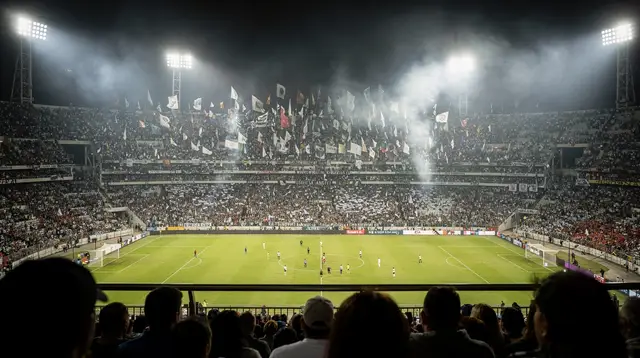
A few blocks from Caminito, still within the daylight-safe walking radius most visitors use, sits La Bombonera, the home ground of Boca Juniors and one of the most atmospheric stadiums in world football. Even without a match ticket, the stadium and its museum are a straightforward, reliably bookable add-on to a Caminito walk — the ground itself is an attraction independent of the fixture list.
Match tickets are a separate and more complicated matter: home-supporter tickets generally require club membership, so visitors go through licensed hospitality operators rather than buying casually at the gate or from a street reseller. Treat any offer of a guaranteed ticket at an unusually low price as a red flag rather than a bargain. The stadium tour and museum, by contrast, are sold openly and are the dependable way to experience La Bombonera if you’re not attending a game.
San Telmo, the natural pairing
Many visitors combine Caminito with a walk through San Telmo, the antique-market barrio that sits between La Boca and the Microcentro. The two are often bracketed together in guides and in one-day itineraries, and the pairing makes geographic sense, but it’s worth noting they have different rhythms: San Telmo’s cobbled streets, permanent antique shops and Sunday street fair reward unhurried wandering in a way that La Boca’s tourist strip, hemmed in as it is, doesn’t really invite. If your day includes both, doing San Telmo first at a relaxed pace and finishing at Caminito for photos and a coffee before heading back by car works well for most itineraries.
a combined local walking tour covering both San Telmo and Caminito is a practical way to link the two without having to work out transitions and timing yourself.
Tango on Caminito
The tango you’ll see performed on Caminito itself is street tango: dancers working for tips between the restaurant tables, an entirely different experience from a formal dinner-and-show house or a milonga where locals actually go to dance. It’s worth enjoying for what it is — brief, informal, photogenic — without expecting the polish of a staged show or the authenticity of a real social dance hall. If a proper tango evening is on your list, that’s a separate booking and a separate part of your trip, not something Caminito itself substitutes for.
What to bring, and what to skip
Comfortable shoes are the only real requirement — Caminito’s surface is uneven cobble and old rail track in places. Cash in small denominations is useful for tips to street performers and for smaller vendors who may not take cards. Keep phones and cameras used deliberately rather than left dangling from a wrist strap while walking; opportunistic snatching from hands and café tables is the classic incident reported around Buenos Aires generally, and a crowded tourist lane is exactly the kind of place it happens.
None of this should be alarming — it’s the same low-grade vigilance worth applying anywhere with dense foot traffic and visible tourists — but it’s worth being specific rather than vague about it, especially for a barrio with La Boca’s reputation.
A short comparison: Caminito versus the rest of La Boca
| Caminito / Vuelta de Rocha | Rest of La Boca | |
|---|---|---|
| Typical visit | 1–2 hours, daylight | Guided only, daylight |
| Atmosphere | Busy, touristy, commercial | Residential, working-class |
| Safety profile | Reasonably comfortable, steady foot traffic | Best avoided independently on foot |
| What’s there | Painted houses, tango dancers, souvenir stalls, restaurants | Housing, local shops, some murals and history beyond the tourist gaze |
| Recommended approach | Walk independently | Go with a local guide |
Booking a guided visit
If you’d rather not navigate the logistics of arrival, timing and the boundary between the tourist strip and the wider barrio yourself, a guided option removes most of the guesswork.
a themed walking tour of La Boca’s port history, which uses costumed storytelling to bring the dockworkers’ past to life along the way, is a good option if you want more narrative than a standard walk provides.
For a fully private version tailored to your pace and interests, a private guide for Caminito and La Boca lets you set the route and the timing rather than joining a fixed group schedule.
Frequently asked questions about visiting Caminito and La Boca
How long does it take to walk Caminito?
One to two hours is realistic for the lane itself, the small surrounding tourist strip and a coffee or snack stop. Photographers and tango-show watchers often stretch this to half a day.
Is Caminito worth visiting if it’s touristy?
Yes, for what it is: a short, colourful, genuinely photogenic street that also captures a real piece of the barrio’s history as a former immigrant dockworkers’ district. Go in with modest expectations and it delivers.
Is La Boca safe to visit?
Caminito and the immediate Vuelta de Rocha tourist strip are generally fine in daylight, with steady foot traffic and a visible police presence. The wider barrio, beyond that strip, has a reputation for opportunistic crime and is not somewhere to wander casually, particularly after dark.
Should I visit La Boca at night?
Not on foot and not independently. If you want to see La Bombonera on a match night, book it through a licensed tour or hospitality operator that includes transport, rather than arriving and leaving on foot through the surrounding streets.
Do I need a guide for Caminito?
No, Caminito can be walked independently in daylight. A local guide adds context on the barrio’s Genoese immigrant history and can also extend the visit sensibly into nearby streets a solo visitor might otherwise skip or misjudge.
Is Caminito the same as La Boca?
No. Caminito is one short, curated pedestrian lane inside the much larger barrio of La Boca. Treating the whole neighbourhood as equally safe and photogenic because Caminito is charming is the single most common visitor mistake here.
Can I combine Caminito with La Bombonera?
Yes, they sit within easy walking distance of each other in daylight, and a stadium tour or museum visit pairs naturally with the Caminito walk as a single outing. A stadium tour is the reliable way to see the ground without needing a match ticket.
What’s the best time of day to go?
Late morning to mid-afternoon gives the best light for photos, the liveliest atmosphere around the tango dancers and restaurants, and the most daylight margin for getting back out of the area comfortably. For more on general safety context around the city, see our overview on whether Buenos Aires is safe, and for other things to do nearby, browse things to do in La Boca or walking tours across the city.
If you want more on the wider neighbourhood beyond Caminito, the La Boca neighbourhood guide and the San Telmo neighbourhood guide both cover the surrounding area in more depth, and a dedicated San Telmo walking tour or Caminito photo session can extend the day further.
Football Matches and Stadium Tours
Verified deep-linked GetYourGuide tours. Book through these links and we earn a small commission at no cost to you.
GetYourGuide does not provide a product photo for this activity — the image shows the meeting point, photographed by us.