Ezeiza Airport (EZE) Transfer Guide: Getting Into Buenos Aires
What is the best way to get from Ezeiza Airport (EZE) to central Buenos Aires?
A pre-booked remise or private transfer collected in the arrivals hall is the most reliable option for most visitors, with a fixed price agreed before departure. Shared shuttles and official airport buses cost less but take longer, and journey time varies enormously with traffic, so no option can promise a fixed duration.
Getting from Ezeiza to the city centre
Nearly every intercontinental flight into Argentina lands at Ministro Pistarini International Airport, universally known by its old name, Ezeiza, or by its code EZE. It sits roughly 30-35 km south-west of central Buenos Aires, out beyond the edge of the city in the surrounding province. This is the airport almost every long-haul visitor from Europe, North America, or elsewhere in the Americas will use, and it is a genuinely different journey from arriving at the city’s other airport - a distinction covered in full in the separate EZE vs AEP guide, which is worth reading before you book anything.
This guide is only about EZE: what the arrivals hall looks like, the realistic transport options, what they cost, and how to avoid the mistakes that catch out first-time arrivals after a long flight.
Why nobody can promise you a travel time
Ask three different sources how long the trip from Ezeiza to downtown takes and you will get three different answers, and all of them are technically correct - for that particular day, at that particular hour. The honest range most visitors experience is somewhere between 45 minutes and well over 90 minutes, and this guide will not pretend otherwise by printing a single figure.
What actually decides your travel time:
- Time of day. Rush hour on the access roads into the city (roughly 07:00-10:00 and 17:00-20:00 on weekdays) can add a very long delay on top of a free-flowing off-peak trip.
- Day of the week. Weekday traffic is heavier than weekends; public holidays can go either way depending on whether people are leaving or entering the city.
- Weather. Heavy rain slows traffic across the whole conurbano noticeably.
- Route and roadworks. Drivers vary the route (via the Autopista Ricchieri and the Buenos Aires ring roads) depending on conditions on the day.
The practical takeaway: never book a tight connection - an early onward domestic flight from Aeroparque, a scheduled tour, a hotel check-in deadline - right after landing at Ezeiza. Build in slack, especially if you land during the morning or evening peak.
Your options, compared
| Option | Roughly who it suits | Booked how | Notes |
|---|---|---|---|
| Pre-booked remise / private transfer | Most visitors, especially first arrival, families, late flights | Online in advance | Fixed price agreed beforehand, driver waits with a name sign at arrivals |
| Official airport counter transfer | Visitors who prefer to arrange on arrival | In the terminal, after landing | Reputable but prices and wait times vary by demand |
| Shared shuttle (combi) | Budget travellers, solo travellers, less luggage | Online or at a counter | Cheaper, but stops for other passengers first, adding time |
| Official airport bus | Very budget-conscious travellers with light luggage | At the terminal | Cheapest option, longest and least predictable journey, limited stops |
| Rideshare apps | Travellers comfortable using local apps on arrival | App, from a designated pickup zone | Pickup zone and reliability at the airport can vary - check current app guidance on arrival |
| Street taxi hailed outside the terminal | Nobody, as a first choice | N/A | Not recommended at the airport - use an official counter instead |
Pre-booked private transfer or remise
For most visitors landing on a long-haul flight - especially with luggage, jet lag, or family in tow - a pre-booked private transfer is the simplest and most reassuring option. A driver waits in the arrivals hall holding a sign with your name, the price is fixed and agreed before you ever land, and the car goes directly to your hotel or apartment with no intermediate stops. Several operators sell exactly this as a package, sometimes bundled with a short city tour on the way in so the drive itself becomes part of the sightseeing rather than dead time.
a discounted private transfer from Ezeiza that folds in a short city tour on the way to your accommodationIf you would rather keep things simple and go straight to your accommodation without any detour, a plain one-way or round-trip private transfer is also sold on its own.
a private one-way or round-trip transfer to or from Ezeiza AirportOfficial terminal counters
Inside the arrivals hall at Ezeiza, several official, regulated transfer and remise companies operate visible counters where you can arrange a car after landing, without having booked anything in advance. This is a legitimate and commonly used option, and it avoids committing to a price before you know exactly when you will clear immigration and customs. The trade-off is that prices are not fixed until you ask, and at very busy arrival banks - several wide-body flights landing close together - queues at the counters can build up.
Shared shuttles and the airport bus
A shared shuttle (often called a combi) picks up several passengers from the airport and drops them at a series of hotels or a central point, at a noticeably lower price than a private transfer. It is a reasonable option if you are travelling light and are not in a hurry, but expect the journey to take longer than a direct transfer, since your stop may not be the first one on the route.
An official airport bus service also runs between Ezeiza and the city, and it is the cheapest way to travel by a clear margin. It is best suited to travellers with light luggage who are comfortable navigating a public bus route on arrival in an unfamiliar city, rather than as a first choice after a long overnight flight.
Rideshare apps and taxis
Ride-hailing apps operate at Ezeiza, generally from a designated pickup area rather than directly outside arrivals - check the current instructions in the app once you land, since pickup arrangements at airports do change from time to time. Avoid accepting offers from unofficial drivers or touts outside the terminal building. If you want a taxi rather than a remise or rideshare car, use one of the official, regulated taxi counters inside the terminal rather than hailing one on the street outside.
Arriving into the city: what the transfer actually shows you
Because the drive from Ezeiza runs along the southern access roads and into the city through neighbourhoods like Puerto Madero or past Retiro, depending on the route and your final destination, several operators have built city tours around the transfer itself, so the first couple of hours in Argentina are not spent staring at motorway traffic with nothing to look at.
a classic guided city tour of Buenos Aires that includes airport transferFor a shorter version that hits the highlights on the way to your hotel without turning into a full sightseeing day, there is also a highlights-focused option.
a guided highlights tour of Buenos Aires bundled with your airport transferIf your trip involves flying in and out through both of the city’s airports - landing at Ezeiza and later departing domestically from Aeroparque, or the reverse - a connection service that moves you and your luggage between the two is worth knowing about, since the two airports are on opposite sides of the city and not linked by any direct public transport.
a direct connection transfer between Buenos Aires’s two airportsFor everything on how the two airports differ, and how to plan a same-day or next-day connection between them, see the dedicated EZE vs AEP comparison and the Aeroparque (AEP) transfer guide.
Currency, cards and what to expect on landing
Argentina’s currency, the Argentine peso (ARS), has been through years of high inflation and repeatedly changing exchange and payment rules, so any peso price - including transfer fares quoted here or anywhere else - should be treated as a snapshot, not a fixed figure. Check a live exchange rate and the current rules for foreign cards and cash before you land, and budget in ranges rather than exact numbers.
Official transfer and remise counters inside Ezeiza generally take cards as well as cash, but it is worth carrying some cash - pesos if you can get them, US dollars as a backup - in case a machine or connection is down when you need it. More detail on money matters is in the budget and currency guide.
Once you are through immigration and customs and into the public arrivals hall, you will find yourself among the counters and touts described above. Stay with the regulated options, walk past unsolicited offers from strangers, and if you have pre-booked a transfer, look for your name on a sign rather than approaching drivers yourself.
Getting around once you are in the city
A transfer from the airport gets you to your accommodation, but once you are settled, day-to-day movement around Buenos Aires runs on very different transport: the Subte metro, city buses (colectivos), and the contactless SUBE card that both require. There is no direct link between Ezeiza and the Subte network - it is a road journey only - so plan the airport leg separately from how you will get around the city afterwards.
The SUBE card guide and the Subte guide cover exactly what you need to set up once you are in town, and the taxis, remises and rideshare guide is the reference for getting around by car after your airport transfer is done. For a broader overview of every option, the getting around Buenos Aires roundup ties them together.
Practical tips for landing at Ezeiza
- Do not schedule anything tight right after landing. Immigration queues, baggage claim, and traffic on the way in can add up unpredictably; give yourself several hours of slack before any scheduled activity, especially on your first day.
- Have your accommodation address written down, ideally in Spanish, for your driver - useful even with a pre-booked transfer, and essential if you end up using an official counter or rideshare app on arrival.
- Keep valuables out of sight during the transfer itself, as you would anywhere in the city - see the general safety notes in the is Buenos Aires safe guide for context, though the airport-to-hotel leg is a routine, low-risk trip when arranged through official channels.
- If your itinerary includes Aeroparque as well - for a domestic flight onward to somewhere like Iguazú, or a regional hop - read the EZE vs AEP guide before you book, since the two airports are not close to each other and connecting between them takes real time.
- First 24 hours in the city: a three-day first-timer itinerary is a reasonable pace to start with if jet lag is a factor, easing into the city rather than front-loading a packed first day straight off the transfer.
A short walkthrough opera and tango detour, if you have the energy
If your flight lands early enough and you would rather not waste a first evening recovering in a hotel room, some visitors use the transfer day itself to ease into the city with a guided evening out - a tango dinner show, for instance, is a classic way to see something distinctly Buenos Aires on your very first night, provided your flight and immigration queue cooperate with the timing.
a dinner tango show with its own separate transfers includedThat said, for most travellers arriving after a long overnight flight, the more realistic plan is: transfer straight to the hotel, rest, and start sightseeing the following morning refreshed rather than running on fumes.
Frequently asked questions about the Ezeiza airport transfer
How far is Ezeiza Airport from central Buenos Aires?
Roughly 30-35 km south-west of the centre. Journey time depends heavily on traffic and the time of day, so it is best treated as a range rather than a fixed figure.
Is Ezeiza (EZE) the same airport as Aeroparque (AEP)?
No. Ezeiza handles almost all intercontinental flights and sits well outside the city. Aeroparque handles domestic and regional flights and sits inside Buenos Aires, on the riverfront near Palermo. Confusing the two is a common and costly mistake.
Should I book an airport transfer in advance or arrange one on arrival?
Booking in advance is generally the safer choice, since it fixes the price and guarantees a driver is waiting with your name at arrivals. Desks and counters in the terminal also sell transfers, but prices can vary and availability is not guaranteed at busy times.
Can I pay for a taxi or remise from Ezeiza with a card, or do I need cash?
Official taxi and remise counters inside the terminal generally accept cards as well as cash, but policies and machines can be unreliable, so carrying some cash (pesos, or US dollars as backup) is a sensible precaution.
Is there a train or metro connection from Ezeiza to Buenos Aires?
No. There is no Subte or suburban rail line to Ezeiza. Road transport - remise, shuttle, bus or taxi - is the only way to and from the airport.
What is a remise, and how is it different from a taxi?
A remise is a pre-booked car with a fixed, agreed fare, arranged through a company rather than hailed on the street. It is the standard, recommended way to travel from Ezeiza, in contrast to street taxis, which are best avoided at the airport in favour of official counters.
Is it safe to take an unofficial taxi or driver outside the Ezeiza terminal?
It is not recommended. Arrange transport through an official counter inside the terminal, a pre-booked remise, or a licensed transfer, rather than accepting offers from unofficial touts outside the arrivals area.
Getting Around Buenos Aires
Verified deep-linked GetYourGuide tours. Book through these links and we earn a small commission at no cost to you.
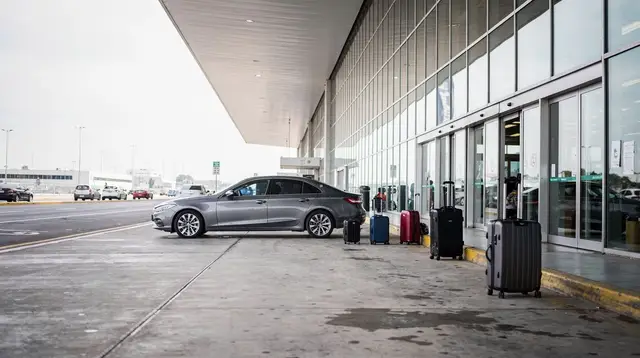
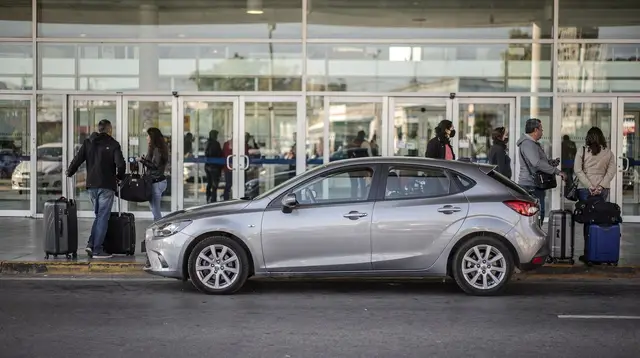
GetYourGuide does not provide a product photo for this activity — the image shows the meeting point, photographed by us.