Buenos Aires in July: A Personal Guide to Argentina's Winter
Is Buenos Aires hot or cold in July?
July is the coldest month of the Argentine winter, with cool, damp air rather than extreme cold or snow. It also coincides with Argentina's school winter holidays, so local families are out in force at attractions across the city.
The first time I told a friend back home I was going to Buenos Aires in July, she assumed I was chasing summer. I didn’t correct her before I left, and I probably should have, because within an hour of landing I understood how wrong that assumption was. July here is the dead centre of winter, and nothing about the light, the air, or the pace of the city says otherwise.
Why the “July equals summer” instinct is wrong here
This is the single most common mix-up I hear from people planning a trip to Buenos Aires, and it’s an entirely reasonable one if your internal calendar was built in Europe or North America. Argentina sits in the southern hemisphere, so the seasons run inverted: December to February is summer, June to August is winter. July isn’t a shoulder month here either — it’s the coldest stretch of the year, the mirror image of January in Paris or Chicago, not July.
I mention this bluntly because I’ve watched people pack for a heatwave and show up needing a proper jacket. It’s not a small detail buried in a packing list — it reshapes what the trip actually feels like.
What the cold actually feels like
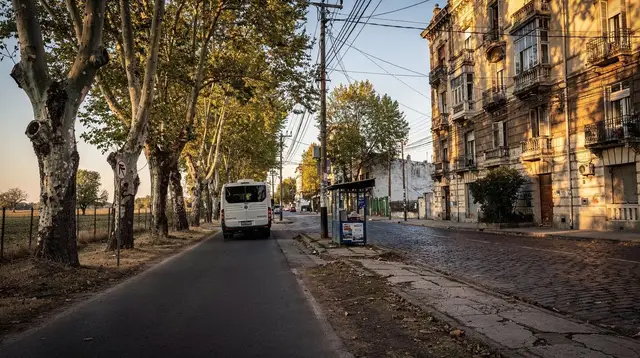
I want to be careful here, because I think a lot of winter guides oversell the drama. Buenos Aires in July is not brutal. There’s no snow, no ice on the pavements, nothing close to a European winter. What you get instead is a persistent, damp chill that comes off the Río de la Plata and settles into the streets, especially in the early morning and after the sun goes down. A warm jacket, a scarf, and layers underneath did the job for me every day.
What surprised me more than the cold itself was the dampness — the humidity off the river makes the air feel heavier and cooler than the temperature alone would suggest, and it’s the kind of cold that gets into your hands if you’re standing still, say waiting outside Recoleta Cemetery or lingering at a table in San Telmo.
Days are noticeably shorter too. It gets dark early, which changes the rhythm of sightseeing — I found myself front-loading outdoor walks into the late morning and early afternoon, and saving indoor stops like Teatro Colón or a long lunch in Palermo for when the light started going.
A city full of local families
What I didn’t expect, and what genuinely changed the character of my trip, was how many Argentine families were also travelling in July. Argentina’s school winter holidays fall in this window, which means the city fills up with local visitors rather than the international summer crowd you’d get in January. I noticed it most at family-friendly attractions and anywhere with an outdoor, active component — more strollers, more grandparents, more groups clearly on their own school break rather than a foreign holiday.
This shifted the atmosphere at places like Tigre and the Paraná Delta, where I joined a boat trip through the delta’s wooded channels and shared the launch with three generations of one Buenos Aires family rather than a boatload of tourists. It felt different in a good way — less staged, more like the city actually living its own holiday rather than performing one for visitors. If you want a fuller sense of the delta and its stilt houses, the Tigre day trip guide covers how the town, the boats, and the Puerto de Frutos market fit together.
It also meant certain attractions were busier than I’d braced for — school-holiday families gravitate toward the same handful of sights adults might otherwise have to themselves in a quieter month, so I found it worth checking hours in advance rather than assuming a winter weekday would be empty.
How I actually spent the days
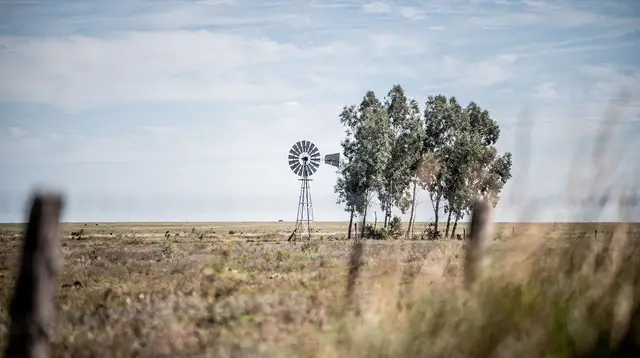
I leaned into things that suit a cool, damp month rather than fighting it. A long asado lunch felt exactly right when the wind was up, and I ended up joining a full-day gaucho day trip out to an estancia, with lunch, horses, and a folk display — the kind of unhurried, indoor-outdoor day that winter in the pampas actually suits, jacket zipped up between the horseback riding and the fire. For the parrilla scene within the city, Palermo’s grill restaurants were just as satisfying without the wait I’d expect in high season.
Evenings were for being indoors somewhere warm and lit. I went to a tango dinner show with a full production and live orchestra, which is exactly the kind of polished, heated, three-hour evening that makes sense when it’s cold and dark by six. If you’d rather see dancers who actually go to dance, the milongas guide explains how those social halls differ from the dinner shows.
I also used a cooler, quieter morning to take the boat across to Colonia del Sacramento for the day — the cobbled streets felt atmospheric rather than crowded, and having a passport-stamp border crossing built into a short ferry ride is still one of the odder, more enjoyable things about basing a trip here.
Getting around when it’s cold and dark early
None of this required special planning beyond dressing properly. The Subte and SUBE-card buses run exactly as they do the rest of the year, and I found myself using taxis and rideshares more after dark simply because the early nightfall made walking between neighbourhoods less appealing than it would be in spring. If you’re flying in, double-check which airport you’re using — Ezeiza and Aeroparque are very different distances from the centre, and winter traffic doesn’t make that gap any shorter.
Practical notes before you go
A few things I wish someone had told me plainly before I packed. Tap water is fine to drink, dinner genuinely doesn’t start until nine or later even in winter, and tipping around ten percent in cash is the norm rather than an obligation. None of that changes in July — what changes is the jacket, the daylight, and the company you’ll be keeping in the queues.
FAQ: visiting Buenos Aires in July
Is July summer or winter in Buenos Aires?
Winter. Buenos Aires is in the southern hemisphere, so the seasons are inverted from Europe or North America: July falls in the coldest part of the year, not the warmest.
Does it snow in Buenos Aires in July?
No. Winters here are cool and damp rather than freezing, and snow is essentially unheard of in the city.
What should I pack for Buenos Aires in July?
Layers and a proper jacket. The chill is less about extreme cold and more about persistent dampness off the river, so a warm coat, scarf, and closed shoes cover most days comfortably.
Why is Buenos Aires busier with families in July?
Argentina’s school winter holidays fall in July, so local families travel and visit attractions in the city, changing the mix of visitors compared with the international summer season in December to February.
Is July a good time to visit Buenos Aires?
It suits travellers who don’t mind cool, shorter days and want a quieter international-tourist season, since indoor experiences like tango shows, museums, and long lunches fit the month well.
Are Buenos Aires attractions open as normal in July?
Yes, though some outdoor fairs and markets adjust their hours seasonally, so it’s worth checking the current calendar for anything scheduled outdoors, especially later in the afternoon once it’s dark.
Is Iguazú Falls a good add-on in July?
Yes — Iguazú is a separate flight of about two hours and is typically cooler and less humid in July than in the summer months, which many visitors find more comfortable for the walkways.
Seasonal Guide
Verified deep-linked GetYourGuide tours. Book through these links and we earn a small commission at no cost to you.
GetYourGuide does not provide a product photo for this activity — the image shows the meeting point, photographed by us.